

Best Solo Travel Activities in Lisbon 2026
- By André
- Community Experiences
- azulejo painting workshop Lisbon workshops macrame workshop lisbon medieval cooking class solo activities lisbon solo travel lisbon things to do alone lisbon
Solo travel gets lonely advice wrong. Everyone tells you to “put yourself out there” at hostel common rooms or join pub crawls where you’ll shout over music at strangers you’ll never see again. That works for some people. For others, it’s exhausting performance disguised as connection.
Solo travel activities in Lisbon don’t require you to be aggressively social. They create natural opportunities for connection through shared doing rather than forced mingling. Workshops offer something better than small talk: you learn actual skills, create tangible souvenirs, and meet people organically while your hands are busy with azulejo painting, medieval cooking, or macramé knotting.
Whether you’re traveling alone by choice and savoring independence, recently single and rediscovering yourself, on a work trip with free evenings, or simply tired of surface-level tourist experiences, these Lisbon workshops deliver meaningful activities that work perfectly solo while leaving space for connection if you want it.
Why Workshops Beat Traditional Solo Travel Activities
Walking tours and museum visits serve their purpose. But workshops offer something fundamentally different for solo travelers.
Natural conversation starters: When you’re both struggling to get your azulejo pattern right or laughing at your first attempt at medieval turnip dessert, conversation happens without the awkward “where are you from, how long are you traveling” script. Shared difficulty creates instant camaraderie.
Judgment-free beginner status: Everyone in a workshop is learning. Nobody expects you to already know how to paint Portuguese tiles or tie macramé knots. Your solo traveler status becomes irrelevant when everyone’s equally incompetent at the task at hand.
Something to show for your time: Restaurant meals get digested, walking tours fade from memory, but that hand-painted azulejo tile or macramé keychain stays with you. Your Lisbon experience becomes physical object, not just phone photos.
Built-in time boundaries: Workshops have clear start and end times. If you connect with people, great. If you prefer to focus on your creation and leave when it’s done, equally great. No pressure to extend socializing beyond your comfort zone.
The instructor handles awkwardness: Workshop teachers naturally facilitate interaction through the activity itself. You’re not responsible for keeping conversation going; the work does that. Moments of comfortable silence while concentrating feel normal, not weird.
You’re doing something, not just consuming: Passive tourism gets boring fast when you’re alone. Active creation keeps you engaged. Three hours flies by when your hands are busy and your mind is learning.
The Best Solo Travel Workshops in Lisbon for 2026
These three workshops offer distinct experiences that work beautifully for solo travelers, each providing different types of engagement with Portuguese culture.
The Arts of Azulejos: Portuguese Tile Painting Workshop

What makes it special: This isn’t a tourist-trap version of tile painting. Marie Caroline Vidal has over 20 years of experience with Portuguese azulejos and has been teaching workshops in Lisbon for more than a decade. You’re learning authentic techniques from someone who has dedicated her life to this traditional craft.
The experience: Over 3.5 hours in a bright, inspiring studio in Madredeus (near Alfama and the National Azulejo Museum), you’ll master traditional Portuguese ceramic techniques while creating your own authentic tile souvenirs. This hands-on workshop teaches you the majolica technique used by Portuguese artisans for centuries.
What you’ll learn:
🎨 Traditional painting methods used by Portuguese artisans for centuries
🎨 Classic azulejo patterns including geometric designs and iconic motifs
🎨 Blue and white color application that makes Portuguese tiles distinctive
🎨 Cultural significance of azulejos in Portuguese architecture
🎨 How these tiles have shaped Lisbon’s visual landscape for over 500 years
What’s included: All materials for painting your own azulejos, two ceramic tiles to paint and take home, Portuguese snacks, professional firing of your finished tiles (ready in 1-2 days), and expert instruction ensuring you master authentic techniques regardless of your skill level.
Why it’s perfect for solo travelers: Small groups ensure personalized attention. The concentration required for detailed tile work creates comfortable silence punctuated by natural questions and observations. Everyone’s tiles look different, which sparks genuine conversation about choices and techniques rather than forced small talk.
Solo traveler bonus: You leave with two hand-painted Portuguese tiles that tell your Lisbon story. These aren’t generic souvenirs; they’re authentic Portuguese art created by your own hands using traditional techniques. One becomes a permanent reminder in your home, the other makes a meaningful gift.
Unique factor: This workshop connects you to living Portuguese heritage. Azulejos aren’t museum pieces; they’re on buildings you pass daily in Lisbon. After this workshop, you’ll see the city differently, noticing patterns and techniques you now understand firsthand.
Medieval Portuguese Cuisine Workshop
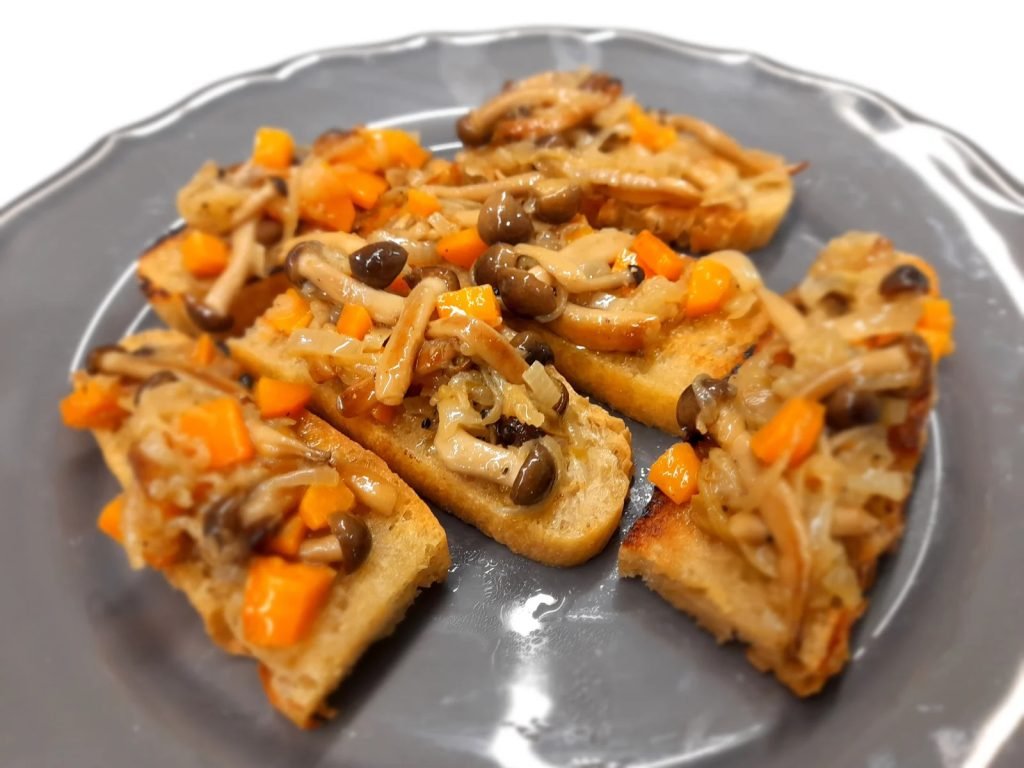
What makes it special: This is culinary archaeology, not cooking class. You’re preparing three genuinely documented dishes from 13th-15th century Portugal using only ingredients that existed before 1498. No tomatoes, no potatoes, no peppers, nothing from the Americas. This is Portuguese cuisine before Vasco da Gama’s voyage changed everything.
The historical depth: This workshop avoids invented “medieval-style” recipes in favor of dishes appearing in actual Portuguese medieval cookbooks or contemporary traveler accounts. You’re not making approximations; you’re cooking what people actually ate in medieval Lisbon taverns and royal courts.
What you’ll cook:
🏰 Moelas Estufadas (Lisbon Tavern Gizzards): Stewed chicken gizzards prepared exactly as described in 15th-century tavern accounts, slow-cooked with onions, garlic, bay leaves, and white wine. These were the favorite snacks of sailors and Coimbra students in Lisbon taverns.
🏰 Transmontane Bacalhau with Chestnuts: Dried cod from Newfoundland cooked with crushed chestnuts, olive oil, and coriander as documented in noble houses’ cookbooks from Douro and Minho regions. This dish proves dried cod already arrived during King João I’s reign, long before most people assume.
🏰 Nabada de Semide (Royal Turnip Sweet): Portugal’s most celebrated medieval dessert where cooked turnips are sweetened with Alentejo honey and perfumed with cinnamon and cloves. Served at tables of Kings Afonso V and João II, this prestigious dessert is still prepared at Christmas in some interior villages maintaining unbroken culinary tradition.
Why it’s brilliant for solo travelers: Food connects people instantly. Cooking together while learning fascinating historical context creates natural conversation. The “can you believe they ate this” reactions to ingredients like turnip dessert or tavern gizzards break ice faster than any icebreaker game.
The cultural education: Small history lessons with the chef explain the social dimensions of medieval Portuguese food culture. You learn who ate which foods and why certain preparations held social significance. Discover how chestnuts served as “bread of the poor,” why nabada graced royal banquet tables, and how food choices revealed social status in medieval society.
What’s included: All historical ingredients (dried cod, chestnuts, turnips, honey, spices), apron, knife, and wooden cutting board provided, complete tasting of all three dishes with period-appropriate wine, and historical education that transforms cooking from technique-learning into cultural immersion.
Solo traveler advantage: Everyone tastes unfamiliar dishes together. Medieval turnip dessert is weird for everyone, not just you. Shared novelty creates instant bonding. Plus, you leave with recipes and knowledge to recreate these dishes at home, giving you impressive dinner party material for years.
Unique factor: Some dishes like nabada de semide maintain unbroken preparation traditions from medieval times to present day in certain Portuguese villages. You’re connecting to living historical tradition, not museum recreation.
Macramé Keychain Workshop
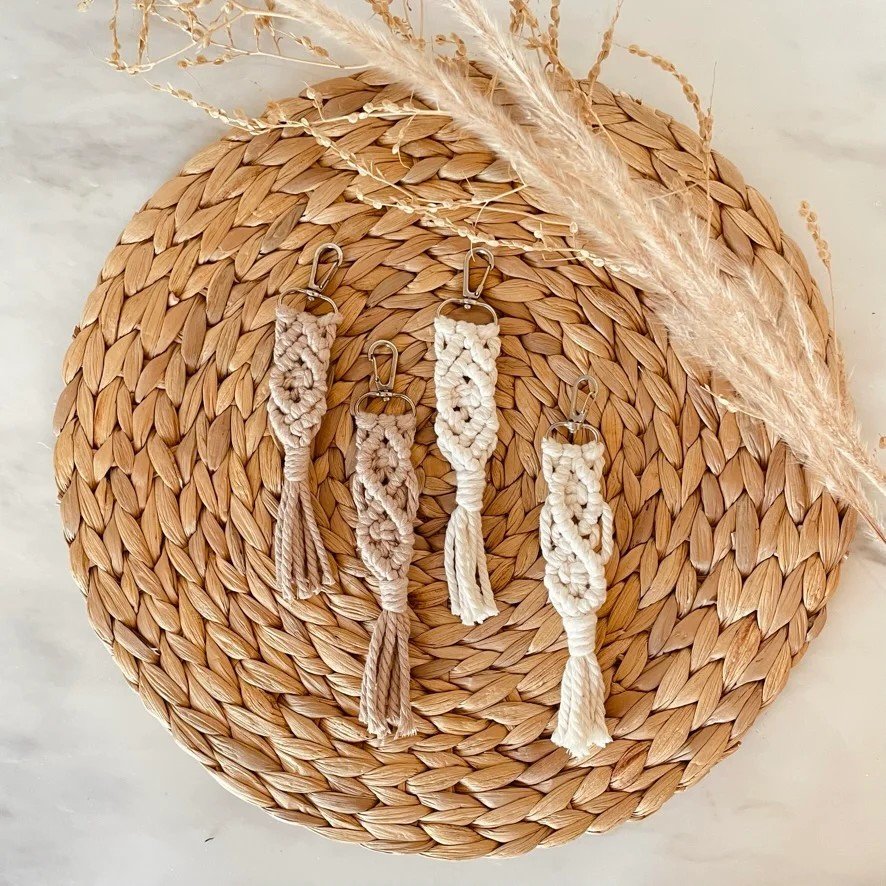
What makes it special: This gentle two-hour introduction to macramé teaches you a timeless craft while creating something practical you’ll use daily. Taught by Nour, a Lebanese expat who found home in Lisbon and turned her hobby into her passion, this workshop welcomes complete beginners into the meditative world of knotting.
The approach: Using soft cotton cords, you’ll discover how various knots combine into beautiful designs, allowing you to create a unique accessory that reflects your personal style. The session introduces essential creative knotting techniques like the double half hitch knot, along with loops, forms, and easy patterns that make the craft both relaxing and inspiring.
What you’ll learn:
🧵 Foundational macramé techniques and essential knots
🧵 How to combine basic knots into patterns and designs
🧵 Working with cotton cord, beads, and structural elements
🧵 Tips and tricks for tension control and pattern consistency
🧵 Foundation skills that transfer to larger projects like wall hangings
What’s included: All materials including quality cotton cord, beads, and sturdy keyring, step-by-step guidance with practical tips and inspiration, introduction to various knots and easy patterns, and confidence to create new projects at home.
Why it’s perfect for solo travelers: Macramé’s repetitive nature creates a meditative state that makes conversation feel optional rather than obligatory. You can chat while knotting or zone out in comfortable silence. The small group setting and Nour’s welcoming teaching style make solo attendees feel immediately at ease.
The teacher connection: Nour’s own journey as an expat in Lisbon resonates with many solo travelers. She understands what it’s like to be far from home and build community through creative practice. Her workshop space feels like visiting a friend who happens to teach you a skill, not a commercial transaction.
Solo traveler bonus: Your handmade keychain becomes a daily reminder of your Lisbon experience. Every time you grab your keys, you remember those two hours of peaceful creativity in a cozy Lisbon studio. Plus, the skills transfer easily to larger projects if macramé becomes your new travel craft.
Unique factor: This is the perfect workshop for introverted solo travelers or those having a low-energy day. The meditative quality of repetitive knotting soothes rather than stimulates, making it ideal for afternoons when you need gentle activity rather than intense experience.
How to Choose Your Solo Travel Workshop
Match your social energy level:
✈️ Want natural conversation opportunities → Azulejo Painting or Medieval Cooking
✈️ Prefer optional interaction with meditative focus → Macramé Keychain
✈️ Need ice-breakers built into the activity → Medieval Cooking (shared tasting creates instant bonding)
Consider your souvenir priorities:
✈️ Want impressive home decor → Azulejo Painting (two hand-painted Portuguese tiles)
✈️ Need practical daily-use item → Macramé Keychain (functional and meaningful)
✈️ Prefer knowledge and recipes over objects → Medieval Cooking (though you get the meal experience)
Think about time investment:
✈️ Have a free morning or afternoon (2 hours) → Macramé Keychain
✈️ Can commit to longer immersion (3-3.5 hours) → Azulejo Painting or Medieval Cooking
✈️ Want deeper cultural dive → Medieval Cooking or Azulejo Painting
Factor in your interests:
✈️ Visual arts and design → Azulejo Painting
✈️ History and food culture → Medieval Cooking
✈️ Textile crafts and meditative practices → Macramé Keychain
What to Expect as a Solo Workshop Participant
Arrival: Show up at the designated time. Workshop spaces in Lisbon are welcoming and easy to find. You’ll likely see other participants arriving solo, which immediately normalizes your status.
Introductions: Most workshops do brief introductions, but they’re focused on the activity ahead rather than lengthy personal histories. “I’m [name], first time doing this” is sufficient.
The work creates the vibe: Once hands get busy, self-consciousness fades. Concentration on technique naturally punctuates conversation, so there’s no pressure to sustain constant chat.
Instructors facilitate everything: Teachers manage group dynamics, answer questions, and keep things moving. You’re not responsible for making the experience work; you just participate.
Leave when it’s done: Unlike open-ended social situations, workshops have clear endpoints. You can leave immediately after or linger to chat if connection happens. Both are completely acceptable.
Making the Most of Your Solo Workshop Experience
Arrive on time: Being punctual means you don’t walk into an already-formed group. You’re there as the group forms, which feels different psychologically.
Ask questions freely: Solo travelers sometimes hold back questions, not wanting to seem incompetent. Everyone’s a beginner. Questions help everyone, and instructors appreciate engaged students.
Focus on your work: You’re not required to be socially brilliant. Making a beautiful tile or perfect knot is its own success, regardless of whether you make new friends.
Take photos of your process: Document your work in progress, not just finished products. These photos tell better stories later than tourist snapshots of famous landmarks.
Don’t force connection: If natural conversation happens, great. If everyone’s focused on their work, that’s equally valid. Workshops succeed whether you make friends or just make things.
Beyond the Workshop: Extending Your Experience
Visit related sites: After azulejo painting, explore the nearby National Azulejo Museum. After medieval cooking, seek out restaurants serving historical Portuguese cuisine. Your workshop knowledge transforms passive viewing into active recognition.
Practice your new skill: Bring home extra materials if possible, or source them locally. That macramé keychain becomes the first of many projects. Those azulejo techniques apply to other ceramics.
Share what you learned: Your workshop experience gives you stories that go deeper than “I saw the castle.” You can explain why Portuguese tiles look the way they do or what medieval nobles actually ate.
Book another workshop: If you loved the experience, try a different type. Each workshop connects you to different aspects of Portuguese culture and different groups of people.
Why These Workshops Work for Solo Travelers in 2026
Solo travel in 2026 means rejecting the pressure to constantly perform extroversion. These workshops respect that you’re traveling alone for reasons beyond “meeting people,” even if connection remains welcome.
The azulejo painting connects you to Portuguese visual culture through your own hands. The medieval cooking gives you historical knowledge that transforms how you see Portuguese food. The macramé offers meditative practice perfect for processing travel experiences.
All three create natural opportunities for interaction without requiring it, produce tangible results you’ll keep forever, and fill time meaningfully without feeling like you’re just killing hours until the next scheduled activity.
Your solo travel experience shouldn’t depend on whether you successfully befriend strangers at hostels. It should provide meaningful engagement with place, culture, and craft. These Lisbon workshops deliver that engagement while honoring whatever level of social interaction feels right for you.
Pick the workshop that calls to you. Book it. Show up. Make something beautiful. Whether you leave with new friends, a new skill, or just a new perspective on Lisbon, you’ve spent your time well.
Ready to make your solo Lisbon experience more than just sightseeing? Browse all workshops in Lisbon and find the perfect activity for your journey. Let Hands On help you have the best solo trip ever!


 uk english
  pt portuguese