

Lisbon vs. Porto: Where to Find the Best Creative Experiences in 2025
- By André
- Community Experiences
- Lisbon creative workshops photography workshops Portugal Porto artisan experiences Portuguese Cooking Classes pottery and ceramics traditional craft workshops
Choosing between Lisbon and Porto for your next creative experiences is like choosing between two equally delicious pastéis de nata. Both cities pulse with artistic energy, but each offers something wonderfully distinct. Lisbon sprawls like an open canvas bathed in golden light, while Porto stacks itself along the Douro River like a living sculpture.
The good news? You can’t make a wrong choice. Both cities overflow with pottery studios, cooking classes, photography experiences, and creative workshops that connect you directly with Portuguese artisans. The real question isn’t which city is better, but which matches your creative spirit and travel style.
This guide breaks down everything you need to know about workshops in each city, helping you discover where to throw clay, capture light, cook bacalhau, or learn traditional crafts. Whether you’re a solo traveler seeking creative exploration, a couple planning romantic experiences, or friends hunting for memorable activities, this comparison reveals which Portuguese city should host your next creative adventure.
The Essential Difference: Lisbon vs. Porto Energy
Before diving into specific workshops, understanding each city’s creative personality helps you choose where your experience will resonate most.
Lisbon: The Expansive Creative Capital
Lisbon energy feels open, international, and constantly evolving. The capital spreads across seven hills, each neighborhood offering its own creative flavor. Walking through Lisbon means discovering street art around every corner, stumbling into indie bookshops, and finding rooftop spaces that transform into creative studios by night.
The city attracts digital nomads, international artists, and creative entrepreneurs who blend with traditional Portuguese craftspeople. This fusion creates workshop experiences that balance authentic tradition with contemporary innovation. You might take a traditional tile painting class in a studio that also hosts experimental ceramics installations.
Lisbon’s creative scene thrives on:
✨ Diversity of experiences across expansive geography
✨ International influences mixing with Portuguese traditions
✨ Larger workshops with more frequent scheduling options
✨ Easier English language availability for international visitors
✨ Integration of creative spaces into tourist infrastructure
Porto: The Intimate Artisan Hub
Porto energy feels concentrated, traditional, and deeply authentic. Portugal’s second city clusters along the Douro’s steep banks, creating an intimacy that Lisbon’s sprawl cannot match. The creative scene here connects more directly to centuries of artisan tradition, from ceramic production to wine crafting to textile arts.
Workshops in Porto often happen in family studios, historic ateliers, and converted warehouses where you can feel the weight of craft history. The teachers tend to be deeply rooted in Porto’s artistic community, offering not just skills but stories that span generations.
Porto’s creative scene thrives on:
🎨 Concentrated artistic neighborhoods easy to explore on foot
🎨 Direct connection to traditional Portuguese craftsmanship
🎨 Smaller, more intimate workshop sizes and personal attention
🎨 Lower prices than Lisbon for comparable experiences
🎨 Less tourist saturation, more authentic local interactions
Cooking Classes: Where Tradition Meets Your Kitchen
Both cities excel at culinary workshops, but the flavors and approaches differ as distinctly as their signature wines.

Cooking Experiences in Lisbon
Lisbon cooking workshops tend toward the cosmopolitan. Yes, you’ll learn traditional Portuguese dishes, but you’ll also find fusion classes, international cuisine workshops, and modern interpretations of classic recipes.
What makes Lisbon cooking classes special:
🍳 Market tours through Time Out Market or Mercado da Ribeira connecting you with vendors before cooking
🍳 Pastéis de nata focused workshops in Belém, where the famous tart originated
🍳 Seafood and coastal cuisine reflecting Lisbon’s position as a major port city
🍳 Wine pairing experiences featuring wines from across Portugal
🍳 Multi course meals where you prepare and share appetizers through desserts
Typical Lisbon cooking class: You meet your chef at a central market, select fresh ingredients while learning about Portuguese produce, walk to a beautiful kitchen space (maybe with Tagus views), prepare three to four dishes over three hours, then sit down together to enjoy your creations with Portuguese wine. Classes run 60 to 110 euros per person.
Best for: Those wanting variety, international vibes, and classes that accommodate different dietary preferences. Lisbon’s cooking scene handles vegetarian, vegan, and gluten free requests more easily than Porto.
Cooking Experiences in Porto
Porto cooking workshops dive deep into northern Portuguese tradition. The focus leans toward authentic regional recipes, family traditions, and techniques passed through generations. You’re more likely to cook with your instructor’s grandmother’s recipe than a modernized version.
What makes Porto cooking classes special:
🥘 Northern Portuguese specialties like francesinha, caldo verde, and regional stews
🥘 Traditional bread baking using techniques from rural bakeries
🥘 Smaller class sizes often in instructors’ own homes or family kitchens
🥘 Port wine integration into both cooking and pairing
🥘 Bolhão Market experiences connecting to Porto’s historic food market
Typical Porto cooking class: You arrive at a cozy studio or home kitchen, meet a chef deeply connected to Porto’s culinary heritage, learn two to three traditional dishes with detailed technique instruction, and enjoy an intimate meal that feels like dining with Portuguese friends. Classes run 50 to 90 euros per person.
Best for: Those seeking authentic traditional cooking, intimate settings, and connections to family culinary heritage. Porto cooking classes feel less like tourist activities and more like being welcomed into someone’s kitchen.
The Verdict: Cooking Classes
Choose Lisbon if: You want variety, dietary accommodations, market tours through famous venues, and cooking classes that blend tradition with innovation.
Choose Porto if: You seek authentic family recipes, smaller intimate settings, northern Portuguese specialties, and the feeling of learning from a Portuguese grandmother.
Pottery and Ceramics: Getting Your Hands Dirty
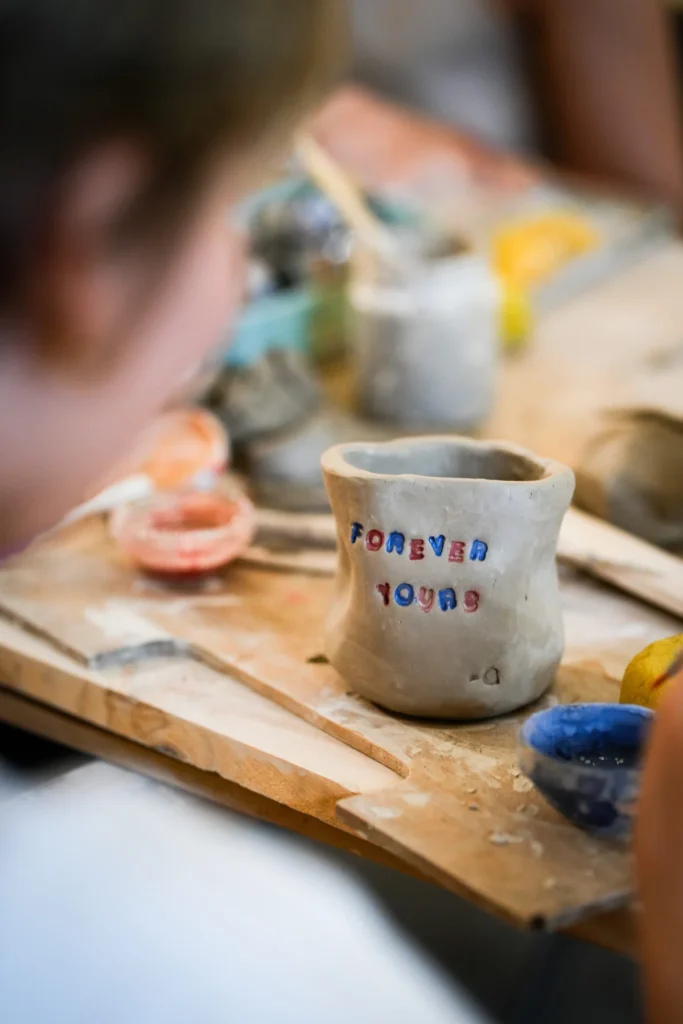
Both cities have exploded with ceramic studios over recent years, but their approaches to this ancient craft reveal distinct philosophies.
Ceramics Workshops in Lisbon
Lisbon pottery scene balances traditional Portuguese ceramics with contemporary art practices. Studios range from historic ateliers in Marvila’s industrial spaces to modern creative hubs in Santos. The variety means you can find everything from wheel throwing for beginners to experimental hand building to traditional azulejo tile painting.
Lisbon ceramics highlights:
🏺 Marvila neighborhood cluster of ceramic studios in converted warehouses
🏺 Azulejo tile painting workshops teaching Portugal’s iconic blue and white tradition
🏺 Contemporary ceramics exploring sculptural forms beyond functional pottery
🏺 Larger studio spaces accommodating more students per session
🏺 Frequent class schedules with morning, afternoon, and evening options
Studio atmosphere: Lisbon ceramics studios tend toward bright, Instagram worthy spaces with good natural light, contemporary design, and professional setups. Many studios double as galleries showcasing instructor work alongside student creations.
Typical experience: A three hour workshop (60 to 90 euros) in a modern studio where you learn wheel throwing or hand building, create one to two pieces, and pick them up two to three weeks later after firing and glazing. Studios often ship internationally for travelers.
Ceramics Workshops in Porto
Porto pottery connects directly to the region’s deep ceramic tradition. The city and surrounding areas have produced ceramics for centuries, and today’s workshops often happen in studios run by artisans whose families have worked with clay for generations.
Porto ceramics highlights:
🎨 Vila Nova de Gaia riverside studios offering intimate classes with Douro views
🎨 Traditional Portuguese pottery techniques including regional styles and patterns
🎨 Family run ateliers where knowledge passes through generations
🎨 Smaller class sizes often maximum four to six people per session
🎨 More affordable pricing with comparable quality to Lisbon experiences
Studio atmosphere: Porto ceramic studios feel cozier, more lived in, more personal. You might work in a converted garage, a small riverside space, or a family workshop that’s been shaping clay for decades. The vibe prioritizes authentic craft over aesthetic perfection.
Typical experience: A two to three hour workshop (50 to 75 euros) in an intimate setting where your instructor knows your name, adapts teaching to your pace, and shares stories about Porto’s ceramic traditions while you create. The experience feels less like a class and more like being mentored.
The Verdict: Pottery and Ceramics
Choose Lisbon if: You want variety in ceramic styles, contemporary approaches, professional studio settings, and flexible scheduling with frequent class times.
Choose Porto if: You seek traditional techniques, intimate instruction, family atelier experiences, and authentic connection to Portugal’s ceramic heritage at lower prices.
Photography Experiences: Capturing Light and Life
Portugal’s dramatic light makes both cities phenomenal for photography workshops, but they offer radically different subjects and approaches.
Photography in Lisbon
Lisbon photography workshops capitalize on the famous “Lisbon light” that has drawn painters and photographers for centuries. The city’s position between Atlantic and Mediterranean creates unique golden hour illumination that bathes pastel buildings in cinematic glow.
Lisbon photography strengths:
📸 Alfama’s maze of medieval streets perfect for street photography and architectural shots
📸 Miradouros (viewpoints) offering stunning panoramic compositions
📸 Street art and urban photography in neighborhoods like Graça and Mouraria
📸 Golden hour emphasis teaching how to work with Lisbon’s magical light
📸 Diverse photographic subjects from trams to tiles to river views
Workshop styles: Lisbon offers everything from three hour photography walks (60 to 95 euros) through historic neighborhoods to full day intensive workshops covering composition, manual settings, and post processing. Many photographers specialize in teaching how to capture Lisbon’s specific light quality and architectural character.
What you’ll photograph: Yellow trams climbing steep hills, azulejo covered buildings, washing hanging between pastel houses, elderly locals chatting in doorways, dramatic shadows in narrow alleys, sunset over the Tagus from multiple viewpoints.
Photography in Porto
Porto photography workshops emphasize the city’s distinctive vertical architecture, riverside compositions, and centuries layered aesthetic. The Douro’s dramatic topography creates constant interplay between steep streets, terraced buildings, and river reflections.
Porto photography strengths:
📷 Ribeira district’s layered architecture stacking colorfully along the river
📷 Dom Luís I Bridge as both subject and vantage point
📷 Port wine cellars offering atmospheric interior shots
📷 Blue and white azulejo patterns covering churches and buildings
📷 Intimate street scenes in less tourist saturated neighborhoods
Workshop styles: Porto photography experiences tend toward walking tours (50 to 80 euros) that combine historical context with technical instruction. Photographers often share insider knowledge about lesser known viewpoints and optimal shooting times for specific locations.
What you’ll photograph: Rabelo boats reflected in the Douro, ancient houses seemingly defying gravity, intricate tile work on São Bento station, port cellars with centuries old barrels, locals navigating impossibly steep streets, sunset casting long shadows across Ribeira.
The Verdict: Photography Workshops
Choose Lisbon if: You want to master golden hour light, diverse photographic subjects from urban art to architecture, and workshops emphasizing composition and manual camera technique.
Choose Porto if: You prefer intimate street photography, architectural drama, riverside compositions, and learning from photographers deeply embedded in Porto’s creative community.
Traditional Crafts and Artisan Workshops
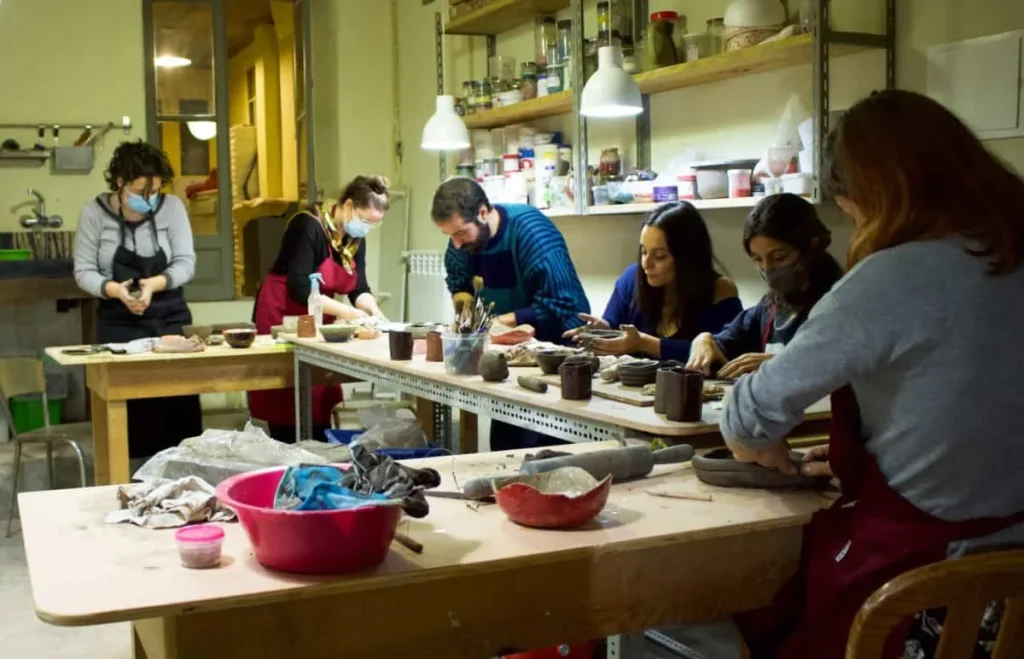
Beyond cooking, pottery, and photography, both cities offer workshops in traditional Portuguese crafts. Here’s where regional differences become most apparent.
Artisan Experiences in Lisbon
Lisbon’s craft workshops span traditional and contemporary approaches. You’ll find everything from historic techniques preserved by master artisans to modern interpretations reinventing Portuguese traditions.
Popular Lisbon craft workshops:
🎭 Tile painting workshops teaching azulejo decoration from basic to advanced
🎭 Textile and natural dyeing using traditional Portuguese patterns
🎭 Cork crafting (Portugal produces 50% of world’s cork) in Lisbon studios
🎭 Jewelry making with Portuguese filigree techniques
🎭 Bookbinding and paper arts in historic printing district studios
Workshop character: Lisbon craft workshops often happen in cultural centers, concept stores, or purpose built creative spaces. The instruction tends to be professional and structured, with clear learning objectives and polished outcomes.
Artisan Experiences in Porto
Porto craft workshops connect more directly to working artisan communities. The experiences prioritize preservation of traditional techniques over contemporary interpretations, though innovation certainly exists.
Popular Porto craft workshops:
🧵 Traditional Portuguese weaving in studios using century old looms
🧵 Tile making and decoration focusing on Porto’s specific azulejo patterns
🧵 Woodworking and carpentry teaching joinery without modern power tools
🧵 Leather crafting using techniques from Porto’s artisan quarter
🧵 Port wine barrel cooperage demonstrations and hands on experience
Workshop character: Porto craft workshops frequently occur in actual working studios where artisans produce goods for sale alongside teaching. You’re not just learning a technique; you’re participating in a living craft tradition that supports the instructor’s livelihood.
The Verdict: Traditional Crafts
Choose Lisbon if: You want variety in craft options, workshops that blend traditional and contemporary approaches, and professional instruction in polished studio environments.
Choose Porto if: You seek authentic artisan traditions, workshops taught by practicing craftspeople, and immersion in craft communities where techniques remain economically relevant.
Practical Considerations: Making Your Choice
Beyond creative offerings, practical factors influence where your workshop experience will unfold smoothly.
Accessibility and Getting Around
Lisbon:
🚇 Extensive metro system connecting most neighborhoods
🚋 Iconic trams reach hilltop areas metros don’t serve
🚶 Steep hills mean more challenging walking between workshops
🚕 Abundant taxis and Uber for door to door convenience
✈️ International airport close to city center
Porto:
🚇 Smaller metro system adequate for major workshop areas
🚌 Bus network fills gaps in metro coverage
🚶 Compact center means walkability between creative neighborhoods
🚕 Taxis readily available though less Uber presence than Lisbon
✈️ Smaller airport with fewer international connections
Winner for accessibility: Lisbon’s infrastructure handles tourists more seamlessly, but Porto’s compact center means you can walk to most workshops from central accommodation.
Language and Communication
Lisbon: Nearly all workshops offer English instruction or bilingual teachers. The international nature of Lisbon’s creative scene means instructors expect non Portuguese speakers.
Porto: More workshops default to Portuguese, though many artisans teaching foreigners speak functional English. Smaller studios may require more advance communication about language needs.
Winner for English speakers: Lisbon, though Porto’s workshop coordinators increasingly accommodate international visitors.
Pricing and Value
Lisbon typical prices:
🪙 Cooking classes: 70 to 110 euros
🪙 Pottery workshops: 60 to 90 euros
🪙 Photography walks: 60 to 95 euros
🪙 Craft workshops: 50 to 100 euros
Porto typical prices:
🪙 Cooking classes: 50 to 90 euros
🪙 Pottery workshops: 50 to 75 euros
🪙 Photography walks: 50 to 80 euros
🪙 Craft workshops: 45 to 85 euros
Winner for budget: Porto consistently prices 15 to 25% lower while maintaining comparable quality.
Scheduling Flexibility
Lisbon: Workshops run more frequently with multiple daily time slots. Easier to find last minute availability. Many studios operate seven days per week.
Porto: Smaller studios mean fewer time slots but often greater willingness to schedule private sessions. Weekend workshops more common than weekday options.
Winner for flexibility: Lisbon for spontaneous booking, Porto for customized private experiences.
The Cultural Context: What Makes Each City Unique
Workshops don’t exist in isolation. They’re embedded in each city’s broader cultural ecosystem.
Lisbon’s Creative Ecosystem
Lisbon has positioned itself as a creative capital attracting artists, designers, and makers from across Europe and beyond. The city’s creative energy shows in:
🌟 LX Factory: Converted industrial complex now housing studios, galleries, workshops, and creative businesses
🌟 Marvila regeneration: Former industrial district transforming into artistic hub
🌟 Massive street art scene: Internationally recognized murals throughout the city
🌟 Creative coworking spaces: Digital nomads and artists working side by side
🌟 International arts festivals: Year round cultural programming
This ecosystem means workshops connect to broader creative communities. Your pottery instructor might also be a gallery artist. Your cooking teacher could run a popup restaurant. The cross pollination between traditional and contemporary creates unique hybrid experiences.
Porto’s Artisan Heritage
Porto maintains stronger connection to traditional artisan production. While modernization occurs, the city preserves craft traditions more actively than Lisbon. Porto’s creative character shows in:
🏛️ Working artisan quarters: Neighborhoods where craftspeople still produce goods for local markets
🏛️ Family workshops: Multi generational businesses teaching and producing simultaneously
🏛️ Traditional markets: Bolhão Market and others supporting local artisan products
🏛️ Less tourism saturation: Creative spaces serving locals first, visitors second
🏛️ Douro Valley connection: Proximity to wine region influences food and craft traditions
This heritage means workshops often access knowledge chains spanning centuries. Your tile painting instructor might use techniques their great grandmother employed. The authenticity runs deeper because craft remains economically and culturally central rather than primarily touristic.
Special Considerations: Choosing Based on Travel Style
Your travel preferences and goals should influence which city hosts your creative experiences.
For Solo Travelers
Lisbon advantages:
🎯 Larger workshops mean meeting more people
🎯 International crowd creates easy socializing
🎯 More solo friendly cafes and creative spaces
🎯 Hostel scene facilitates workshop group attendance
Porto advantages:
🎯 Smaller workshops create intimate connections
🎯 Local atmosphere feels less transient
🎯 Artisan instructors often become friendly mentors
🎯 More affordable for extended creative exploration
Recommendation: Lisbon for social butterflies wanting to meet international creatives. Porto for those seeking deeper connections with fewer people.
For Couples
Lisbon advantages:
💕 More romantic dinner spots post workshop
💕 Rooftop spaces for sunset celebrations
💕 Variety lets partners with different interests both find perfect workshops
💕 More luxury accommodation options
Porto advantages:
💕 Intimate workshop settings feel naturally romantic
💕 Douro riverside sunsets rival Lisbon’s viewpoints
💕 Lower prices allow booking multiple workshops together
💕 Fewer crowds mean more authentic shared experiences
Recommendation: Both cities excel for couples. Choose Lisbon for variety and luxury, Porto for intimacy and value.
For Families
Lisbon advantages:
👨👩👧👦 More workshops explicitly welcoming children
👨👩👧👦 Kid friendly activities surrounding creative experiences
👨👩👧👦 Better infrastructure for stroller navigation
👨👩👧👦 More family oriented accommodation
Porto advantages:
👨👩👧👦 Smaller workshops often accommodate family groups privately
👨👩👧👦 Less overwhelming for children than Lisbon’s larger scale
👨👩👧👦 More affordable for family workshop experiences
👨👩👧👦 Artisans often have family teaching traditions making kids comfortable
Recommendation: Lisbon for families wanting infrastructure and kid specific programming. Porto for families seeking authentic artisan experiences with flexible instructors.
Seasonal Considerations: When to Workshop in Each City
Portugal’s mild climate means year round workshops, but seasons influence the experience quality.
Spring (March to May)
Lisbon in Spring:
🌸 Perfect weather for photography walks
🌸 Gardens blooming add visual interest
🌸 Fewer tourists than summer
🌸 Comfortable temperatures for market tours
Porto in Spring:
🌺 Ideal conditions for riverside workshop studios
🌺 Wine country surroundings green and beautiful
🌺 Easter brings traditional craft demonstrations
🌺 Comfortable for walking between workshops
Best choice: Both cities shine in spring. Slight edge to Porto for fewer crowds.
Summer (June to August)
Lisbon in Summer:
☀️ Long daylight hours maximize photography golden hour
☀️ Peak workshop availability and scheduling
☀️ Rooftop workshop spaces most appealing
☀️ But: crowded, hot, expensive
Porto in Summer:
🏖️ Riverside workshops enjoy cooling river breeze
🏖️ Beach proximity offers post workshop relaxation
🏖️ Festivals and cultural events abundant
🏖️ But: still crowded though less than Lisbon
Best choice: Porto for slightly cooler temperatures and lower summer crowds.
Fall (September to November)
Lisbon in Fall:
🍂 Ideal weather returns after summer heat
🍂 Still excellent light for photography
🍂 Harvest season enriches cooking workshops
🍂 Tourism decreases providing workshop availability
Porto in Fall:
🍁 Grape harvest creates wine workshop opportunities
🍁 Most comfortable outdoor workshop weather
🍁 Traditional fall foods feature in cooking classes
🍁 Lowest tourism season means authentic experiences
Best choice: Porto for harvest season authenticity and perfect weather.
Winter (December to February)
Lisbon in Winter:
❄️ Mild temperatures comfortable for indoor workshops
❄️ Christmas markets and seasonal crafts
❄️ Lowest prices and highest availability
❄️ Rainy days perfect for pottery studios
Porto in Winter:
☃️ Cozy studio atmosphere at peak coziness
☃️ Port wine workshops especially appealing
☃️ Traditional winter foods in cooking classes
☃️ Dramatically lower tourist numbers
Best choice: Porto for authentic winter atmosphere though both cities work well.
Making Your Decision: Which City Calls You?
After exploring both cities’ creative offerings, how do you choose? Consider these questions:
Do you prioritize variety or depth? 🔹 Variety: Lisbon 🔹 Depth: Porto
Do you prefer cosmopolitan or traditional? 🔹 Cosmopolitan: Lisbon 🔹 Traditional: Porto
Is budget a significant factor? 🔹 Budget conscious: Porto 🔹 Budget flexible: Either city
Do you want infrastructure or authenticity? 🔹 Infrastructure: Lisbon 🔹 Authenticity: Porto
Are you comfortable with less English? 🔹 Need English: Lisbon 🔹 Comfortable either way: Both cities
Do you want social or intimate workshops? 🔹 Social/meeting people: Lisbon 🔹 Intimate/personal attention: Porto
The Perfect Solution: Experience Both
Here’s the truth most guides won’t tell you: the ideal creative journey explores both cities. Portugal’s compact size makes this wonderfully feasible.
The Two City Creative Itinerary
5 to 7 days total:
Days 1 to 3 in Porto:
✈️ Fly into Porto
🎨 Day 1: Pottery workshop and Ribeira exploration
🍳 Day 2: Traditional northern Portuguese cooking class
📸 Day 3: Morning photography walk, afternoon tile painting
Travel day (Day 4):
🚂 Take scenic 3 hour train from Porto to Lisbon (25 to 35 euros)
Days 4 to 7 in Lisbon:
🏺 Day 4: Arrive afternoon, evening azulejo workshop
🥘 Day 5: Market tour and cooking class
📷 Day 6: Golden hour photography experience
🎭 Day 7: Choose artisan craft workshop before departing
Why this works: You experience Porto’s authentic artisan intimacy first, establishing foundations in traditional techniques. Then Lisbon’s cosmopolitan creativity shows you contemporary interpretations and variations. The progression from traditional to innovative creates comprehensive understanding of Portuguese creative culture.
Budget estimate:
🪙 Workshops (6 total): 350 to 500 euros per person
🪙 Accommodation (6 nights): 250 to 600 euros depending on comfort level
🪙 Train between cities: 25 to 35 euros
🪙 Meals and transport: 200 to 400 euros
🪙 Total: 825 to 1,535 euros per person for complete creative journey
Booking Your Workshops: Practical Tips
When to Book
Advance booking recommended:
⏰ 2 to 4 weeks ahead for specific dates, especially weekends
⏰ 1 to 2 weeks ahead for weekday flexibility
⏰ Same week booking often possible in low season
Peak times requiring earliest booking:
🗓️ Summer weekends (June to August)
🗓️ Easter week
🗓️ Christmas/New Year period
🗓️ Portuguese holidays (June 10, August 15, December 1)
What to Ask Before Booking
📋 Language of instruction confirmation
📋 Exact meeting location and arrival instructions
📋 What’s included (materials, food, drinks, finished products)
📋 What to bring or wear
📋 Cancellation and rescheduling policies
📋 Whether finished items can be shipped internationally
📋 Group size and other participants’ expected skill levels
Payment and Policies
Most Portuguese workshop platforms accept:
💳 Credit cards (Visa, Mastercard)
💳 Debit cards 💳 PayPal
💳 Bank transfers (for some local bookings)
Standard policies:
✅ Full refund if cancelled 7+ days advance
✅ Partial refund or credit if cancelled 2 to 7 days advance
✅ No refund for cancellations under 48 hours
✅ Free rescheduling with adequate notice
✅ Weather cancellations (outdoor workshops) result in free rescheduling or refunds
Final Thoughts: Trust Your Creative Instincts

Choosing between Lisbon and Porto for creative workshops isn’t about finding the objectively better city. It’s about matching your personal creative journey to the city whose energy aligns with your goals.
Choose Lisbon if you’re drawn to cosmopolitan creativity, want maximum variety, prioritize infrastructure and convenience, seek international community, and don’t mind paying slightly more for polished experiences.
Choose Porto if you’re called by authentic tradition, value intimate personal instruction, budget matters, prefer fewer crowds, and want direct connection to artisan heritage rooted in working creative communities.
Or choose both and discover the full spectrum of Portuguese creativity from traditional craft to contemporary innovation.
The workshops waiting in both cities offer more than just skills. They provide windows into Portuguese culture, connections with passionate artisans, and creative experiences that become treasured travel memories. Whether you knead dough in a Lisbon kitchen overlooking the Tagus, center clay on a Porto pottery wheel with the Douro flowing below, or capture golden light in either city’s ancient streets, your hands will remember what your camera cannot fully capture.
Explore workshops in Lisbon | Discover Porto experiences | Browse all creative workshops
Whether you choose Lisbon’s expansive creativity or Porto’s intimate tradition, Hands On connects you with the finest workshops Portugal offers. Every experience supports local artisans, preserves cultural heritage, and creates memories that last far beyond your flight home. Join us!


 uk english
  pt portuguese