

The History and Future of Portuguese Crafts
- By André
- Workshops and News
- azulejos ceramics workshops cork design Portuguese crafts sustainable craftsmanship traditional weaving
Key Takeaways
🪚Portuguese crafts reflect centuries of cultural heritage and artistry
🪚Iconic crafts include ceramics, azulejos, cork, weaving, and basketry
🪚Many traditions faced decline but are being revived through creative tourism
🪚Today you can experience Portuguese crafts firsthand in workshops across the country
Why Portuguese Crafts Matter
Portuguese crafts are more than objects. They are living traditions that embody history, culture, and identity. From intricate tiles and handwoven baskets to cork creations and textiles, these crafts carry the stories of generations. Each piece tells something about Portugal’s regions, its past, and the people who have shaped them.
In today’s world, where mass production dominates, Portuguese crafts are gaining renewed attention. They represent authenticity, sustainability, and a deeper connection to culture. Exploring them offers insight into Portugal’s unique heritage while opening the door to innovation and creativity in the future.
The Origins of Portuguese Crafts: A Cultural Legacy
The history of Portuguese crafts is deeply influenced by centuries of cultural exchange. Roman and Moorish presences introduced new materials and techniques that shaped local traditions. The Age of Discoveries brought inspiration from Africa, Asia, and South America, enriching Portuguese artisanship with global influences.
Across regions, specific crafts developed according to natural resources and community needs. In the north, weaving and embroidery flourished, while in the south, cork and ceramics became defining traditions. Islands such as Madeira and the Azores cultivated their own distinctive craft heritage, ensuring that every part of Portugal contributed to a rich cultural mosaic.
Iconic Traditional Portuguese Crafts

Ceramics and Azulejos: Portugal’s Tile-Making Heritage
One of Portugal’s most recognizable art forms is the azulejo. These decorative tiles, often blue and white, have adorned palaces, churches, and homes since the 16th century. Beyond decoration, they serve as historical records, telling stories through their patterns and images. Today, azulejos continue to inspire contemporary artists and designers who adapt the tradition for modern spaces.
Cork Craftsmanship: Portugal’s Sustainable Material
Portugal is the world leader in cork production, responsible for most of the global supply. Traditionally used for wine stoppers, cork has expanded into fashion, design, and even architecture. Its durability, versatility, and eco-friendly qualities have made it a symbol of sustainable Portuguese craftsmanship. From handbags to furniture, cork products represent a balance between tradition and innovation.
Weaving and Textiles: From Wool to Modern Design
Weaving is another cornerstone of Portuguese crafts. In Serra da Estrela, wool has been woven into warm blankets for centuries, while in Alentejo, colorful rugs reflect the rustic charm of the region. These traditional practices are increasingly being reinterpreted by modern textile artists who combine heritage techniques with contemporary design.
Basketry and Natural Fibers: Crafting from the Land
Basket weaving, using natural materials like rush and wicker, has been part of daily life for generations. Functional objects such as baskets and furniture were once essential in rural homes. Today, artisans are reimagining basketry, blending functionality with artistry and focusing on sustainable, locally sourced materials.

The Decline and Revival of Portuguese Craft Traditions
Like many artisanal traditions around the world, Portuguese crafts faced decline during industrialization. Mass production reduced demand for handmade items, and younger generations often sought careers outside of traditional crafts. Many techniques risked being forgotten.
In recent decades, however, cultural preservation initiatives and creative tourism have revived interest. Local cooperatives, cultural associations, and individual artisans have worked tirelessly to preserve techniques and share them with new audiences. Tourists and locals alike are increasingly drawn to authentic, handmade experiences, fueling this revival.
The Future of Portuguese Crafts: Innovation Meets Tradition
The future of Portuguese crafts lies at the intersection of tradition and innovation. Designers are collaborating with artisans to bring heritage crafts into the modern era, creating products that appeal to both local and global markets. Sustainability plays a key role, with eco-conscious practices ensuring that materials are responsibly sourced and used.
Workshops and creative tourism experiences allow people to connect directly with crafts. By participating, learners not only gain new skills but also contribute to the preservation of these traditions. This hands-on engagement ensures that crafts remain relevant and vibrant in a rapidly changing world.
Where to Experience Portuguese Crafts Today
Portuguese crafts can be experienced firsthand, not just admired from afar. Across the country, workshops invite locals and visitors to learn traditional and modern techniques while creating something personal. With HandsOn, here are three workshops where you can immerse yourself in this cultural heritage.
Ceramics and Wine Workshop
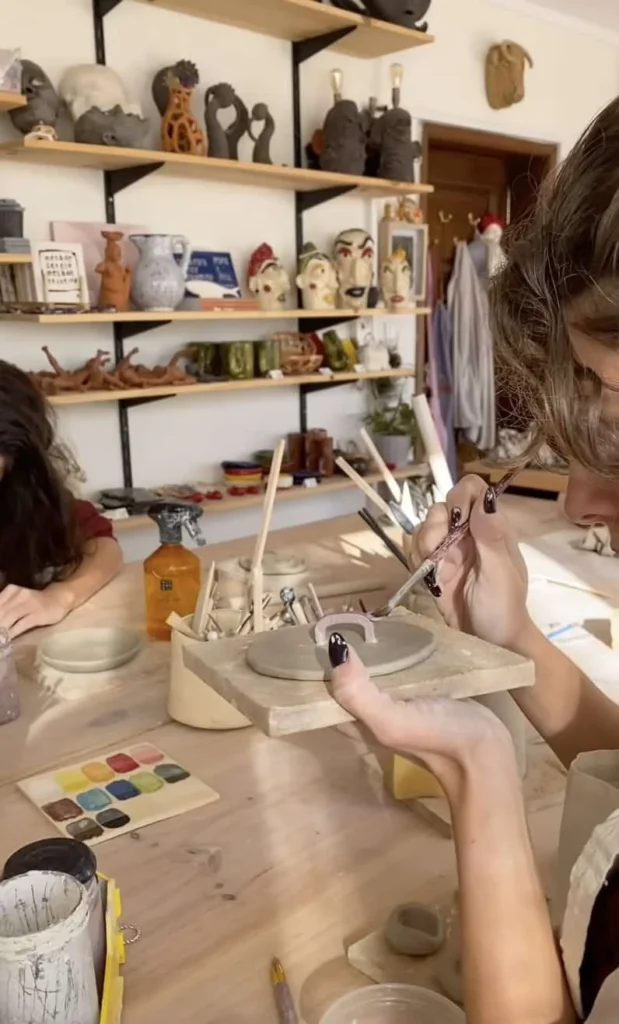
This workshop invites you to explore the art of ceramics while enjoying the flavors of Portugal. Over the course of a session, you will craft a personalized ceramic piece using manual techniques, guided step by step by experienced instructors. The creative process is accompanied by a menu of appetizers, wines, and other drinks, making the experience both social and inspiring. Once finished, your piece will be fired and ready for collection, giving you a handmade object that carries both memory and meaning.
The Art of Azulejos: Portuguese Tile Painting Workshop
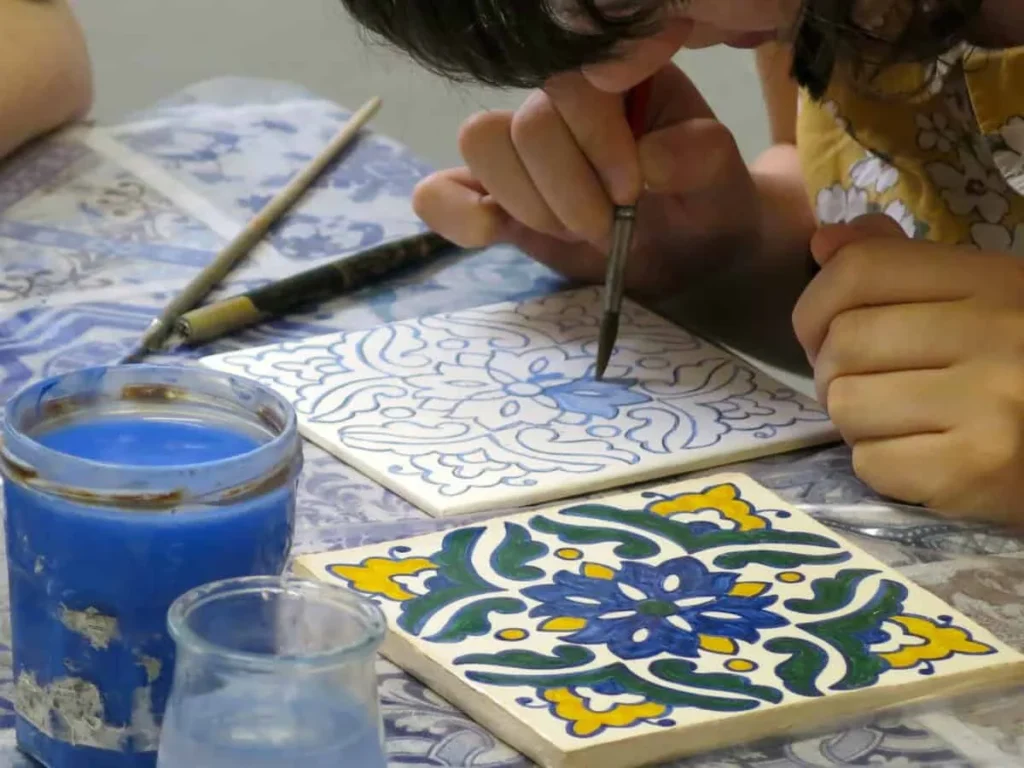
Few experiences capture Portugal’s heritage as vividly as painting your own azulejos. In this workshop, you will learn the traditional techniques used for centuries while creating two ceramic tiles of your own. Held in a charming atelier near Alfama and the Azulejo Museum, the experience combines creativity with cultural discovery. Guided by a passionate artist, you can follow traditional patterns or design something entirely new. With snacks provided to keep your energy flowing, you will leave not only with unique souvenirs but also with a deeper appreciation for Portugal’s most iconic art form.
Tufting Workshop
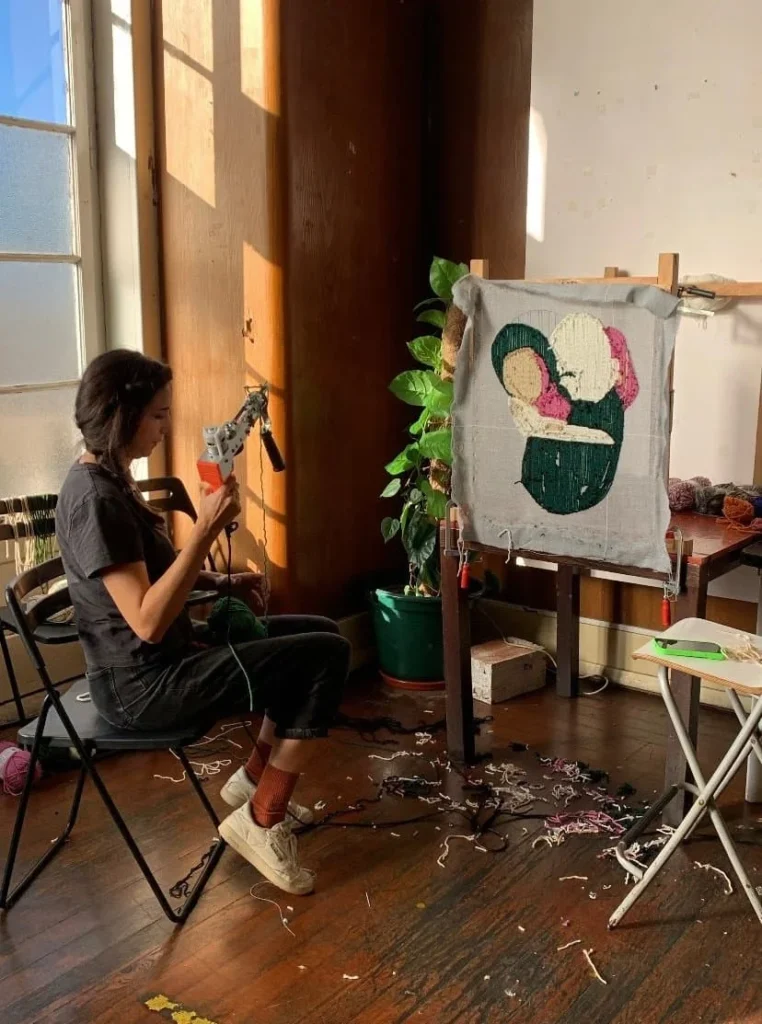
For a contemporary craft experience, the tufting workshop introduces you to the trending textile art of rug making. You will learn how to use a tufting gun, experiment with designs, and create a custom rug up to 55 by 45 centimeters. Participants can bring their own designs or choose from prepared templates, giving complete creative freedom. The process includes tufting, applying latex backing, and finishing, with the option to complete the final steps yourself or have them done at the studio. At the end, you take home a personalized rug that reflects your creativity and the skills you developed in the session.
Why Portuguese Crafts Are Gaining Global Recognition
Portuguese crafts are no longer limited to local markets. They are gaining attention on the international stage through exhibitions, design collaborations, and growing demand for authentic, handmade products. Sustainability is a major factor in their appeal, as conscious consumers seek products that respect the environment and cultural traditions.
The combination of artistry, heritage, and eco-friendly practices positions Portuguese crafts as a model for creative industries worldwide. As global interest grows, these traditions not only survive but thrive, ensuring that the history of Portuguese crafts continues to inspire the future.
FAQs About Portuguese Crafts
What are the most famous traditional Portuguese crafts? Some of the most recognized crafts include azulejos, cork products, ceramics, weaving, embroidery, and basketry.
Where can I buy authentic Portuguese crafts? Authentic crafts can be purchased directly from artisans, at local markets, or in dedicated shops across Portugal. Workshops also allow you to create and take home your own pieces.
Are Portuguese crafts sustainable? Many crafts use natural, locally sourced materials such as cork, wool, and rush. Sustainability is an integral part of traditional methods, and modern artisans continue to prioritize eco-conscious practices.
Can tourists learn Portuguese crafts in workshops? Yes, many artisans and studios offer workshops where tourists can learn crafts like tile painting, ceramics, and rug tufting. These experiences are beginner-friendly and open to all.
What role does cork play in Portuguese craftsmanship? Cork is one of Portugal’s most important natural resources. Beyond wine stoppers, it is used in fashion, furniture, and design, symbolizing both tradition and innovation.


 uk english
  pt portuguese