

New Hobbies to Start in 2026 (For Those Fed Up with Digital Life)
- By André
- Community Experiences
- analog hobbies craft workshops creative learning experiential hobbies hobbies portugal hobby ideas mindful activities
Your phone knows you better than your friends do.
It knows you check it 96 times a day. It knows you spend 4.8 hours scrolling through other people’s curated lives. It knows you’ve replaced boredom with dopamine hits, conversation with notifications, and creating with consuming.
And if you’re reading this in early January, it probably knows you’re exhausted by it.
2026 doesn’t have to be another year where your screen time report makes you wince. It doesn’t have to be another 365 days of promising yourself you’ll “be more present” while your thumbs betray you every time there’s a moment of silence.
The solution isn’t another app promising to limit your apps. It’s not a grayscale screen or a digital detox challenge that lasts three days before you crack.
The solution is giving your hands something better to do. We will help you with new hobbies to start in 2026.
This is your guide to starting a real, tangible, physical hobby in 2026. The kind where your phone literally cannot come with you. The kind that leaves clay under your fingernails and flour on your shirt. The kind where “screen time” means the screen you’re printing photos onto, not the rectangle destroying your attention span.
Let’s find you a hobby that doesn’t require WiFi.
Why 2026 Is the Year to Put Down Your Phone
Something shifted during the past few years. People are tired.
Tired of performing their lives for algorithms. Tired of the comparison trap. Tired of feeling like they’ve spent an entire evening doing nothing because scrolling doesn’t count as doing something. Tired of how phones have infiltrated every moment: waiting for coffee, riding the metro, sitting on the toilet, lying in bed.
The average person now spends more time on their phone than sleeping. Read that again.
But here’s what makes 2026 different from every other year you’ve promised yourself you’d use your phone less: you’re not trying to create a void. You’re filling the space with something real.
Psychologists call this “replacement therapy.” You can’t just remove a habit. You have to replace it with something equally compelling. For most people, that means finding an activity that provides what phones provide: engagement, progression, social connection, and the satisfaction of making something.
The hobbies in this guide do all of that. But unlike your phone, they actually make you better at something.
They teach you skills that compound. They create objects you can hold. They introduce you to people in the same physical space. They give you something to talk about that isn’t a meme you saw.
And perhaps most importantly: they’re incompatible with multitasking. You cannot throw a pot on a wheel while checking Instagram. You cannot properly knead dough while doom-scrolling the news. These activities demand both hands, full attention, and presence.
Your phone can’t compete with that. It can only interrupt. So you leave it in your bag, and for two hours, you remember what it feels like to be completely absorbed in something that isn’t backlit.
The Science of Why Hands-On Hobbies Work
Before we get to the hobbies themselves, let’s talk about why making things with your hands is uniquely good for your brain.
Neuroplasticity and Skill Acquisition: When you learn a physical skill, your brain forms new neural pathways. The repetitive hand movements in pottery, woodworking, or bread-making literally rewire your brain. Unlike passive consumption, active creation strengthens cognitive function and can even delay cognitive decline.
Flow States: Psychologist Mihaly Csikszentmihalyi found that hands-on crafts are one of the easiest ways to enter “flow” – that state of total absorption where time disappears and you’re completely present. Phone scrolling provides distraction. Hobbies provide flow. There’s a massive difference.
Bilateral Stimulation: Using both hands in coordinated movement (throwing pottery, kneading dough, tying knots in macramé) has a calming effect on your nervous system. It’s the same principle used in EMDR therapy for processing trauma. Your hands moving rhythmically while focused on a task literally soothes anxiety.
Tangible Progress: Unlike digital work that exists in the cloud or social media engagement that evaporates, handmade objects are permanent proof of your effort. That bowl, that loaf, that photograph… they don’t disappear when you close the app.
Delayed Gratification: Instant digital feedback has destroyed our patience. Hobbies rebuild it. You can’t rush clay drying or bread rising. You learn to work with natural timelines again, not algorithmic ones.
Now, let’s find your hobby.
10 Hobbies You Can Learn in a Workshop
1. Pottery and Ceramics

What you’ll learn: Wheel throwing, hand-building techniques, glazing, firing
Why it’s addictive: Clay is responsive and forgiving. Every session, you literally see progress in your hands. The meditative quality of centering clay on a spinning wheel is genuinely therapeutic. Plus, you end up with bowls, mugs, and plates that make every meal feel special.
Phone compatibility: Absolutely zero. Your hands are covered in wet clay. Your phone stays in your bag or dies.
The vibe: Quiet focus, occasional wheel-throwing frustration, deeply satisfying when you finally center the clay properly, surprisingly social in group classes.
Skill ceiling: Infinite. You can spend decades mastering pottery and still learn new techniques.
What you’ll bring home: Wonky but beloved bowls at first, progressively more refined pieces as you improve, eventually a full handmade dinner set if you stick with it.
Time investment per session: 2-3 hours for workshops, plus waiting time for drying and firing (teaches patience).
2. Bread Making and Sourdough
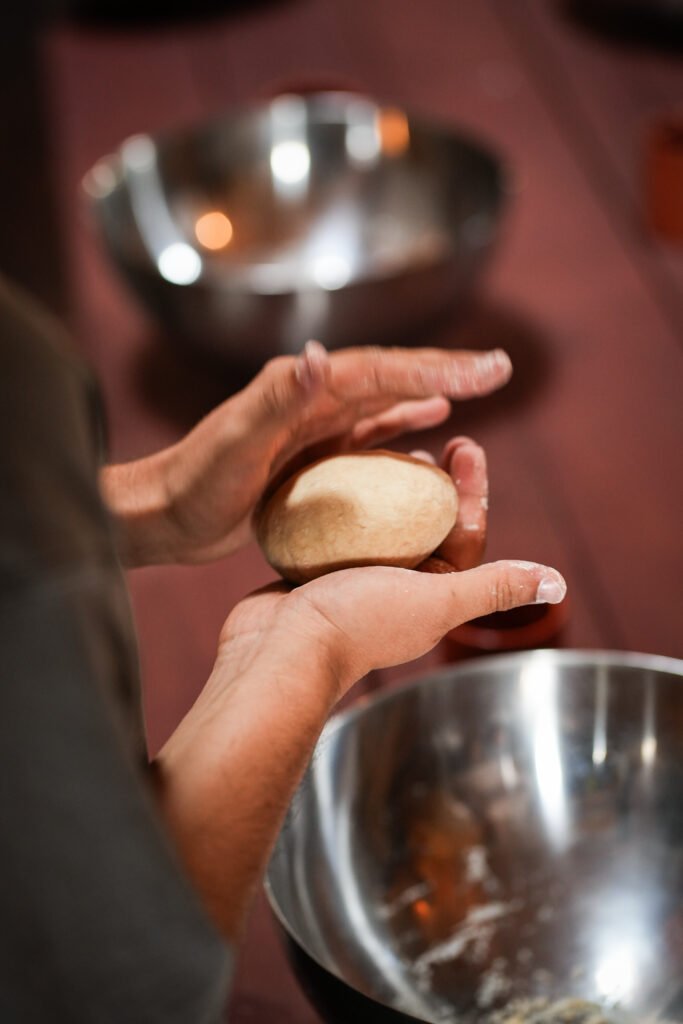
What you’ll learn: Working with yeast, kneading techniques, fermentation, shaping, scoring, baking
Why it’s addictive: Bread-making is alchemy. Flour, water, salt, and time become something magical. Sourdough especially creates a living thing you have to care for. Your starter becomes a pet that produces carbs.
Phone compatibility: Low. Kneading requires both hands. Timing matters more than checking notifications.
The vibe: Early mornings, flour everywhere, the smell of fresh bread filling your home, intense satisfaction slicing into a loaf with a perfect crumb.
Skill ceiling: High. Professional bakers spend careers perfecting their craft. Home bakers can achieve excellent results within months.
What you’ll bring home: Fresh bread 1-2 times per week, possibly an obsession with hydration percentages and fermentation schedules.
Time investment per session: Active time is 30 minutes spread over 24 hours. Fits around life but demands attention at specific intervals.
3. Woodworking and Carpentry
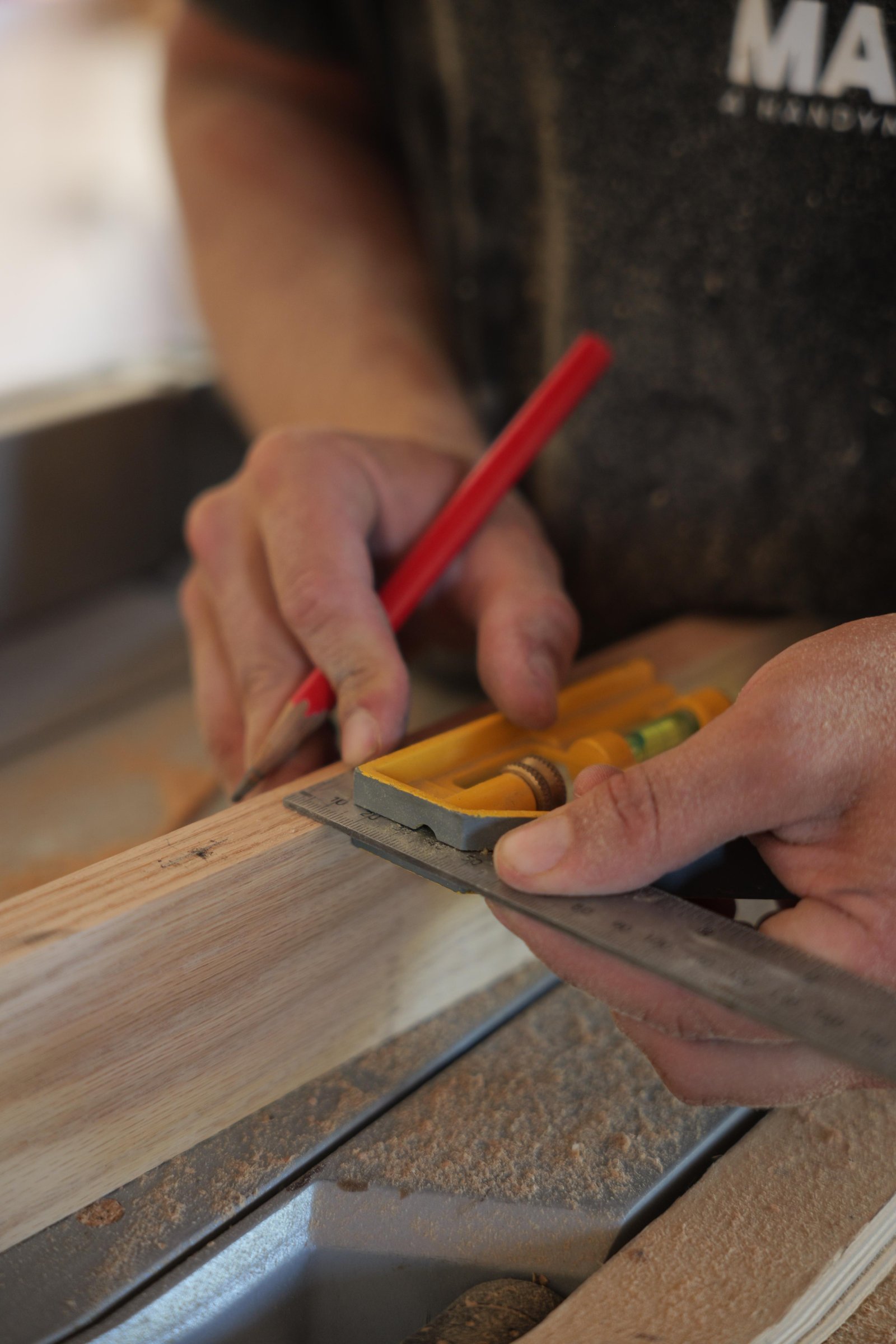
What you’ll learn: Tool safety, measurement and marking, cutting, joining, sanding, finishing
Why it’s addictive: Wood is beautiful, forgiving enough for beginners, challenging enough to stay interesting forever. The smell of fresh sawdust, the sound of a hand plane, the satisfaction of a tight joint… it’s completely absorbing.
Phone compatibility: Dangerous. Power tools and distractions don’t mix. Your phone is a safety hazard in a workshop.
The vibe: Focus and precision, problem-solving when cuts don’t match perfectly, proud display of finished furniture, growing collection of tools.
Skill ceiling: Extremely high. Furniture-making is a lifelong pursuit. But you can make beautiful cutting boards in your first class.
What you’ll bring home: Cutting boards, shelves, small furniture, eventually large furniture, constant mental redesign of your living space.
Time investment per session: 3-4 hours for workshop sessions, weekend projects once you have tools at home.
4. Film Photography and Darkroom Work

What you’ll learn: Camera operation, composition, exposure, developing film, darkroom printing
Why it’s addictive: Film forces you to slow down. You have 36 shots. No delete button. No instant preview. You compose carefully, wait for the right moment, then wait days to see results. The magic of watching an image appear in developer solution never gets old.
Phone compatibility: Literally incompatible. Phone cameras are the opposite of this entire hobby. Darkrooms are dark. Phones stay outside.
The vibe: Contemplative shooting, anticipation waiting for developed film, quiet darkroom work, deep appreciation for light.
Skill ceiling: Very high. Photography is an art form you can study forever.
What you’ll bring home: Physical prints, albums of actual photographs, a completely different way of seeing the world.
Time investment per session: Shooting is flexible, darkroom sessions are 2-3 hours, developing film is 1 hour.
5. Cooking Classes (Specific Cuisines or Techniques)

What you’ll learn: Knife skills, flavor building, timing, plating, cuisine-specific techniques
Why it’s addictive: You eat the results. Immediate, delicious feedback. Cooking is creative, scientific, social, and necessary. It’s one of the rare hobbies that improves your daily life immediately.
Phone compatibility: Low during active cooking. Possible for photos of finished dishes (let’s be honest), but not during prep or cooking.
The vibe: Energetic and social, delicious smells, taste-testing throughout, sitting down to eat what you made with your classmates.
Skill ceiling: Infinite. Professional chefs train for decades.
What you’ll bring home: New recipes, improved technique, better weeknight dinners, dinner party confidence.
Time investment per session: 2-3 hours for classes, 30-90 minutes for weeknight cooking at home once you know techniques.
6. Macramé and Fiber Arts

What you’ll learn: Knot-tying, pattern reading, tension control, design
Why it’s addictive: Repetitive, meditative, visibly progressive. You watch the piece grow in your hands. The bilateral hand movement is genuinely calming. Plus, plants look incredible in macramé hangers.
Phone compatibility: Technically possible to have your phone nearby, but the focus required means you’ll forget it exists.
The vibe: Calm and meditative, satisfying rhythm of knots, gentle enough for evenings after work, impressive results fairly quickly.
Skill ceiling: Medium to high. Basic patterns are accessible, complex designs take practice.
What you’ll bring home: Plant hangers, wall hangings, bags, decorative pieces that make your space feel handmade.
Time investment per session: 2-3 hours for workshops, projects can be 4-20 hours depending on complexity.
7. Metalworking and Jewelry Making

What you’ll learn: Soldering, filing, forming, stone setting, finishing
Why it’s addictive: Transforming metal is empowering. Fire and tools and precision. You make jewelry you’ll actually wear, or gifts people treasure. The skill set feels rare and valuable.
Phone compatibility: None. Fire, small pieces, detail work. Phone is actively unhelpful.
The vibe: Focused and precise, satisfying when solder flows perfectly, frustrating when it doesn’t, pride wearing something you made.
Skill ceiling: Very high. Jewelry-making ranges from simple wire wrapping to complex stone setting and casting.
What you’ll bring home: Rings, pendants, earrings, bracelets that have stories, never running out of gift ideas.
Time investment per session: 2-4 hours for workshops, individual pieces can be made in 1-3 hours once you have tools.
8. Printmaking (Linocut, Screen Printing)
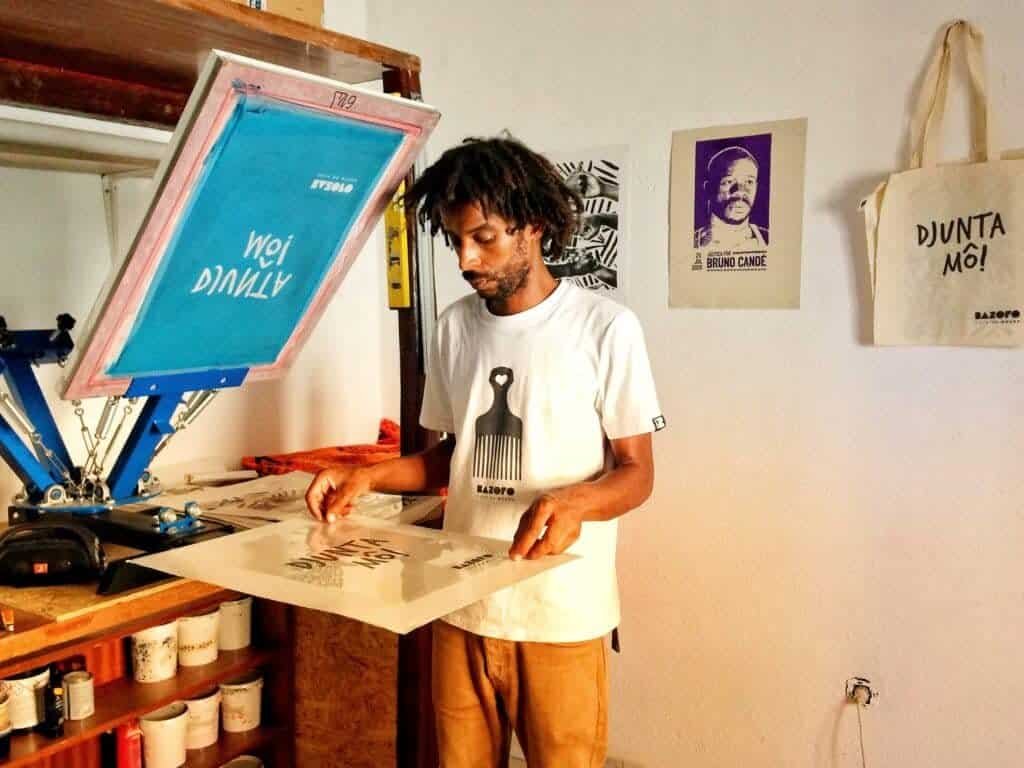
What you’ll learn: Design transfer, carving or screen preparation, ink mixing, printing techniques
Why it’s addictive: The reveal when you lift the paper from the block is magic every time. You can print multiples, experiment with color, create art that’s reproducible. Very forgiving for beginners.
Phone compatibility: Messy hands, ink everywhere. Phone stays far away.
The vibe: Artistic and experimental, satisfying physical process of carving or screening, exciting reveals, creating multiples for gifts.
Skill ceiling: Medium to high. Simple prints are achievable immediately, complex multi-color work takes practice.
What you’ll bring home: Prints for your walls, greeting cards, gift wrap, posters, textiles.
Time investment per session: 2-3 hours for workshops, home projects are 2-6 hours depending on complexity.
9. Foraging and Wild Food

What you’ll learn: Plant identification, seasonal awareness, sustainable harvesting, preparation techniques
Why it’s addictive: Changes how you see every walk. Suddenly your neighborhood has food growing everywhere. Connects you to seasons and landscape. Free food is a bonus.
Phone compatibility: Possibly useful for plant identification apps, but the activity itself is about being present in nature.
The vibe: Adventurous and seasonal, treasure-hunt energy, peaceful outdoor time, connecting with landscapes.
Skill ceiling: Medium. Core knowledge is learnable in a season, but plant wisdom deepens over years.
What you’ll bring home: Wild garlic, mushrooms, berries, herbs, chestnuts, a completely new relationship with your surroundings.
Time investment per session: 2-3 hours for foraging walks, preparation time for cooking/preserving what you found.
10. Fermentation and Preserving

What you’ll learn: Lacto-fermentation, pickling, canning, food safety, flavor development
Why it’s addictive: You’re working with living cultures. Your ferments bubble and change. You’re preserving seasons, reducing waste, creating probiotics, developing complex flavors. It feels ancestral and scientific simultaneously.
Phone compatibility: Minimal during prep, then waiting periods where you just check on jars. More patience-building than hands-on.
The vibe: Experimental and slightly nerdy, pride in pantry full of preserved foods, sharing ferments with friends, occasional explosions (kombucha SCOBY growth is wild).
Skill ceiling: Medium. Basics are very accessible, advanced fermentation gets complex.
What you’ll bring home: Kimchi, sauerkraut, pickles, kombucha, preserved lemons, a fridge that smells interesting.
Time investment per session: 1-2 hours for preparation, then days/weeks of fermentation time (passive).
How Much Time You Actually Need
One of the biggest barriers to starting a hobby is the fear that you don’t have time. Let’s be honest about time investment:
Initial Workshop: Most beginner workshops are 2-4 hours. You can fit this into a Saturday afternoon or a weeknight evening. This is about the same time you’d spend watching a movie or scrolling your phone before bed.
Practice at Home: Hobbies scale to the time you have. Bread-making can be 20 minutes of active work spread across a day. Pottery requires studio access but 2-hour sessions are productive. Woodworking can be a Sunday project or a Thursday evening. Foraging can be a 30-minute walk.
Frequency: You don’t need daily commitment. Most hobbies progress well with weekly or bi-weekly engagement. That’s 2-4 hours per week. Less time than you spend on social media on Tuesday alone.
The Hidden Time Factor: Here’s what nobody tells you. Hobbies don’t feel like they take time. They feel like they create time. Two hours throwing pottery feels restorative in a way that two hours on your phone never will. You finish energized, not depleted.
Screen time steals your time and gives you nothing. Hobbies trade time for skills, objects, and satisfaction. It’s not the same equation.
Which Hobby Is Right for Your Personality?
Not all hobbies suit all people. Here’s a quick mental framework to help you choose:
If you need to see immediate results: Cooking, printmaking, macramé. These hobbies give you finished objects within a single session.
If you love slow, meditative processes: Pottery, bread-making, fermentation. These require patience and work on natural timelines.
If you’re extremely detail-oriented: Jewelry-making, woodworking, film photography. Precision and attention to detail are rewarded.
If you like experimentation and iteration: Cooking, printmaking, fermentation. Lots of variables to play with and results to test.
If you need to move your body: Woodworking, foraging. These get you physically active, not just hands active.
If you crave community: Cooking classes, pottery studios. These are naturally social hobbies with built-in communities.
If you prefer solo flow: Film photography, bread-making, macramé. These work beautifully as solitary practices.
If you want something useful: Cooking, bread-making, woodworking. You’ll use what you make daily.
If you want something decorative: Pottery, macramé, printmaking, jewelry. You’ll display or wear your creations.
If you’re drawn to natural processes: Foraging, fermentation, pottery (working with earth and fire). These connect you to elemental practices.
If you like tools and technical skills: Woodworking, metalworking, film photography. Gear and technique are part of the appeal.
Still not sure? Try the workshop that sounds most fun. Genuine curiosity is the best predictor of stick-with-it motivation.
The Real Question: Will You Actually Stick With It?
Here’s the truth about hobbies: most people don’t stick with them.
They take a workshop, enjoy it, mean to go back, and never do. The clay dries out. The sourdough starter dies. The tools gather dust.
This happens because they’re relying on motivation, which is unreliable. Here’s how to actually make a hobby stick:
Book a multi-week course, not a one-off workshop. Commitment creates consistency. When you’ve paid for six sessions, you show up to six sessions. By session six, it’s starting to feel like a habit.
Schedule it as rigorously as a work meeting. “I’ll go when I have time” means never. “Pottery every Tuesday at 7pm” means you have a hobby.
Connect with people from the workshop. Exchange numbers. Make plans to practice together. Hobbies stick when they’re social.
Set up your environment to support the hobby. If you want to bake bread, buy good flour and keep it stocked. If you want to practice pottery at home, set up a small hand-building space. Reduce friction.
Track your progress visually. Take photos of everything you make. Keep a making journal. Seeing improvement motivates continued practice.
Give yourself permission to be bad at first. Your first bowl will be wonky. Your first loaf might be dense. Your first photograph might be overexposed. This is normal. Skill comes from repetition, not talent.
Don’t buy all the equipment immediately. Start with workshops that provide everything. As you confirm your interest over 2-3 months, gradually invest in tools. This prevents expensive abandoned hobbies.
What Your Phone Can’t Give You
Let’s end with what really matters.
Your phone gives you infinite content. A hobby gives you one skill, deepening.
Your phone connects you to thousands of people superficially. A hobby connects you to a handful of people meaningfully.
Your phone measures engagement in minutes wasted. A hobby measures engagement in objects created.
Your phone makes you feel like you’re doing something while you’re actually doing nothing. A hobby makes you actually do something.
Your phone is designed by the smartest engineers in the world to be addictive. A hobby is designed by nobody. You just… do it. And somehow, that’s more compelling.
Your phone will never give you the satisfaction of throwing a centered pot, pulling a perfect loaf from the oven, printing a photograph you captured, or wearing jewelry you forged.
It can show you other people doing those things. It can make you feel like you’re participating. But it cannot give you the experience.
2026 can be the year you stop watching other people make things and start making things yourself.
Your Move
Browse the workshops available in your city. Look at January schedules while studios are offering New Year promotions and beginner-friendly sessions.
Pick one hobby from this list. Not the one that sounds most impressive. The one that made you think “that actually sounds fun.”
Book it. Put it in your calendar. Pay for it.
Tell one person you’re doing it.
Then show up.
Your phone will still be there. The group chat will survive without you for two hours. The algorithm will still be algorithming when you get back.
But for two hours, your hands will be busy with something real.
And that might be exactly what 2026 needs to be different from 2025.
Ready to find your offline hobby? Browse our hands-on workshops in Lisbon, Porto, and across Portugal. Filter by hobby type and book your first session while January spots are still available.
Your screen time report will thank you. And you will thank Hands On.


 uk english
  pt portuguese