

Learn to Make Pastéis de Nata: Best Baking Workshops in Portugal 2026
- By André
- Workshops and News
- authentic baking classes culinary workshops earn pastry making food experiences portugal hands-on cooking pastry techniques portuguese cuisine traditional portuguese recipes
You’ve eaten pastéis de nata at every bakery in Lisbon. You’ve compared the crispy pastry layers, the creamy custard texture, the caramelized tops. You have opinions about which cafés make them best. But you still don’t know how to make them yourself.
Watching bakers through café windows doesn’t teach you the technique. YouTube videos can’t adjust your custard consistency or explain why your pastry didn’t flake properly. Recipe cards don’t reveal the secrets passed down through generations of Portuguese bakers.
Portugal’s pastéis de nata workshops transform you from consumer to creator. Learn the traditional methods in hands-on classes where expert instructors guide you through every step, from rolling delicate pastry layers to achieving that signature custard texture. These aren’t demonstrations where you watch someone else bake; you mix, fold, fill, and create your own authentic Portuguese custard tarts.
Perfect for food enthusiasts wanting to master iconic Portuguese pastry, travelers seeking culinary skills beyond souvenir shopping, home bakers ready to tackle challenging techniques, anyone tired of failed pastéis de nata attempts from internet recipes, or people wanting to bring authentic Portuguese baking into their kitchens permanently.
Why Pastéis de Nata Deserve Proper Learning
Pastéis de nata look simple. Small custard tarts, how hard could they be? Then you try making them from a recipe and discover the reality: the pastry doesn’t flake into crispy layers, the custard splits or stays runny, the tops don’t caramelize properly, and what emerges from your oven bears little resemblance to the pastéis you’ve eaten in Portuguese cafés.
The technique gap: Recipes tell you what to do. They don’t show you what properly laminated pastry feels like, how custard should coat a spoon before baking, or when caramelization crosses from perfect to burnt. These tactile and visual skills only come from hands-on instruction.
The ingredient reality: Portuguese bakers use specific flour, precise sugar types, and exact dairy products. Substituting what’s available in your local supermarket produces different results. Workshops use authentic ingredients and explain what matters versus what’s flexible.
The temperature precision: Pastéis de nata demand exact temperatures for pastry lamination, custard cooking, and final baking. Home ovens vary wildly. Learning in a professional setting with calibrated equipment teaches you what right looks and feels like, giving you reference points for adapting to your home kitchen.
The cultural context: Understanding why pastéis de nata developed in Portuguese monasteries, how they became Lisbon’s iconic pastry, and what makes them authentically Portuguese enriches the baking beyond just following steps. The history and tradition matter.
The immediate feedback: When your custard consistency looks questionable, an instructor corrects it before you pour it into pastry shells. When your oven temperature seems wrong, they adjust it. This real-time guidance prevents the failures that make home bakers give up.
The lasting skill: One workshop gives you techniques you’ll use for years. Unlike a café pastéis de nata that’s gone in three bites, the knowledge of how to make them stays with you, becoming a skill you can practice, refine, and share.
The Best Pastéis de Nata Workshops in Portugal for 2026
These three workshops offer different approaches to learning Portugal’s most iconic pastry, each providing authentic instruction in different Portuguese cities with unique additional experiences.
Pastel de Nata Workshop Lisbon for Pure Baking Focus
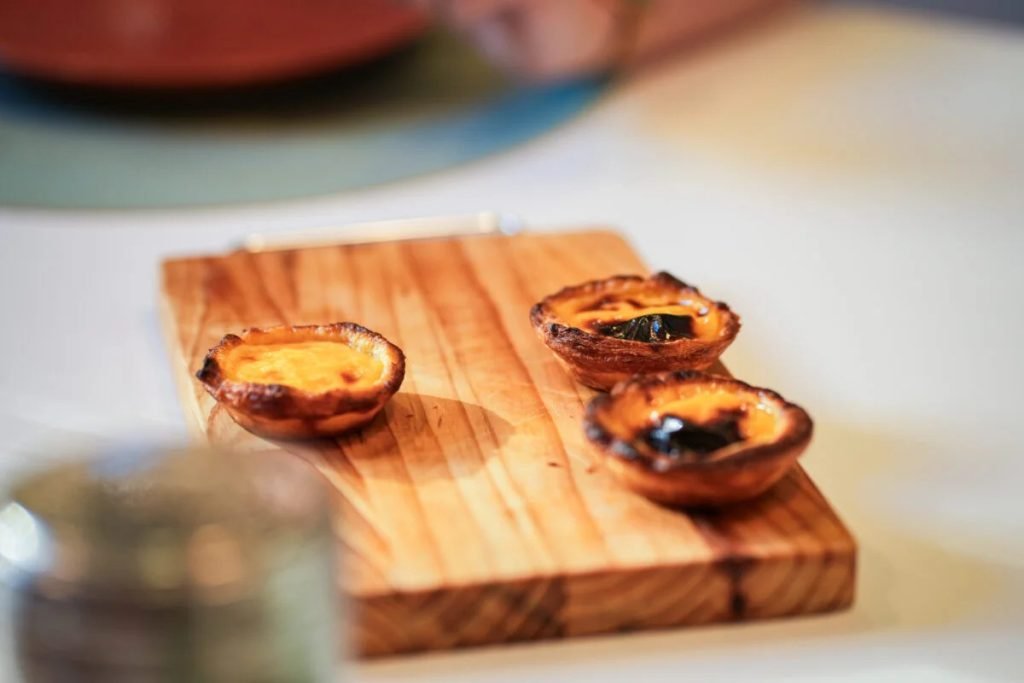
What makes it special: This Lisbon pastry workshop offers pure focus on mastering authentic pastéis de nata from scratch. No distractions, no add-ons, just comprehensive instruction in traditional Portuguese pastry techniques that produce genuinely authentic custard tarts.
The authentic approach: Learn traditional recipe methods passed down through generations of Portuguese bakers. This isn’t a simplified tourist version; you’re learning the real techniques used by Portuguese bakeries, ensuring you create authentic pastéis de nata that match what you’ve tasted in Lisbon’s best cafés.
What you’ll learn:
🥧 Traditional recipe methods passed down through generations
🥧 Pastry dough preparation for the perfect flaky layers
🥧 Custard filling techniques achieving the signature creamy texture
🥧 Baking methods for golden, caramelized tops
🥧 Professional tips for recreating pastéis de nata at home
🥧 Portuguese culinary heritage and the history of this iconic pastry
What’s included: All ingredients for making traditional pastéis de nata, professional baking equipment and tools, traditional recipe techniques used by Portuguese bakeries, expert guidance throughout the entire process, your freshly baked pastéis to enjoy immediately, and recipe to take home so you can recreate them anywhere.
Why it works: The single-minded focus on pastéis de nata means maximum time learning the specific techniques these tarts require. You’re not dividing attention between multiple activities; you’re diving deep into pastry lamination, custard preparation, and precise baking that makes pastéis de nata exceptional.
The hands-on emphasis: This workshop emphasizes practical experience. Mix, fold, fill, and bake your own custard tarts with guidance every step of the way. You’re doing the work, developing the muscle memory and understanding that reading recipes can’t provide.
The immediate reward: Taste your freshly baked pastéis de nata still warm from the oven. Experience the incomparable flavor of homemade Portuguese custard tarts you created yourself. That first bite of pastéis you made validates the entire learning process.
Perfect for: Food enthusiasts exploring Portuguese culinary traditions, travelers wanting authentic cultural experiences, anyone seeking a lasting culinary skill as the perfect souvenir, home bakers ready to master challenging pastry techniques, and those who want pure baking instruction without additional activities.
No experience required: All techniques are taught from scratch. Whether you’re an accomplished home baker or someone who rarely uses an oven, the instruction adapts to your level while maintaining authentic methods.
The Lisbon connection: Learning pastéis de nata in Lisbon, where this pastry became iconic, adds authenticity impossible to replicate elsewhere. You’re learning in the city that made these tarts famous, connecting directly to Portuguese culinary heritage.
Unique factor: Leave with the knowledge to recreate authentic pastéis de nata anywhere. This Portuguese baking workshop gives you a lasting culinary skill and permanent connection to Portuguese culture that extends far beyond your Portugal visit.
Porto Pastel de Nata Cooking Class with Port Wine for Social Learning

What makes it special: This Porto workshop at Domus Arte combines hands-on pastel de nata instruction with Port wine enjoyment and snacks in a relaxed, social atmosphere. The class balances technique learning with cultural immersion and conviviality, creating both educational and enjoyable experience.
The collaborative format: Participants take turns actively participating in the recipe, following a clear step-by-step process under instructor guidance. Participation in the preparation is shared among the group, creating social atmosphere where everyone contributes. For full individual participation in all stages, private workshop options are available.
What you’ll learn:
🥧 Step-by-step pastel de nata making process
🥧 Custard filling preparation and techniques
🥧 Baking process for perfect golden tops
🥧 History of the pastel de nata in Portugal from Lisbon origins to national fame
🥧 House-made puff pastry recipe for recreating at home (pastry is pre-prepared for the workshop)
🥧 Local food tips from Porto experts
What’s included: Port wine, juice, water, coffee throughout the workshop, selection of sweet and savory snacks, paper box to take your pastries home, exclusive recipe for both the tarts and puff pastry, instructor with high knowledge in pastel de nata, all ingredients included, and dietary accommodations (lactose-free, gluten-free, vegan options available with advance notice).
The practical approach: The class focuses on preparing the custard filling and baking process. The puff pastry is pre-prepared because it takes several hours to be ready for use, but you receive a house-made recipe to recreate it at home, ensuring you understand the complete process even if time constraints prevent making it during the workshop.
Why it works: The social format makes learning relaxed rather than stressful. Enjoying Port wine and snacks while you work creates convivial atmosphere where questions flow naturally and the pressure to perform perfectly disappears. This approach suits people who learn better in social settings than intense individual instruction.
The cultural education: A short, accessible introduction covers the history of the pastel de nata in Portugal, from its origins in Lisbon to its evolution into one of the country’s most famous pastries. Understanding the cultural context enriches the baking beyond mere technique.
The take-home value: Each participant prepares several pastéis de nata, which can be enjoyed on site or taken away in the provided transport box. You leave with both warm pastries to share and the confidence and recipe to recreate this Portuguese classic at home.
Perfect for: Social learners who enjoy group activities, visitors wanting to combine baking with Port wine tasting, families with children (all ages can get involved), those seeking relaxed atmosphere rather than intense instruction, and anyone who wants local food tips alongside baking skills.
The Domus Arte setting: The workshop takes place at Domus Arte, a space fully dedicated to handmade products, workshops, and art exhibitions. This creative environment enhances the experience, surrounding you with Portuguese artisanal culture while you learn traditional baking.
Dietary inclusivity: Lactose-free, gluten-free, and vegan options are available upon request with advance notice, allowing proper preparation. This accessibility means dietary restrictions don’t prevent participation in learning this iconic Portuguese recipe.
Unique factor: The combination of serious baking instruction with Port wine, snacks, and social atmosphere creates memorable experience beyond pure technique learning. You’re not just acquiring skills; you’re experiencing Portuguese food culture holistically.
Bake and Create Workshop Porto for Dual Portuguese Traditions

What makes it special: This Porto workshop uniquely combines two iconic Portuguese traditions in one creative journey. Learn to make authentic pastéis de nata from scratch, then paint your own azulejo tile while enjoying Port wine in a cozy studio setting, experiencing both culinary and artistic Portuguese heritage.
The dual experience: This Portuguese cooking and art workshop blends food, art, and culture in hands-on experience. Start by discovering the story behind beloved custard tarts and colorful azulejos that decorate the city, guided by local hosts who share authentic Portuguese traditions, then create in both mediums.
What you’ll experience:
🎨 Cultural storytelling about pastéis de nata and azulejo traditions
🎨 Step-by-step baking instruction making authentic custard tarts
🎨 Hands-on pastry preparation mixing, rolling, and filling delicate shells
🎨 Ceramic tile painting while your pastéis bake to golden perfection
🎨 Traditional Portuguese patterns and colors for your azulejo design
🎨 Port wine enjoyment as you relax and let creativity flow
What’s included: Cultural storytelling about pastéis de nata and azulejo traditions, step-by-step pastéis de nata baking instruction and ingredients, hand-painted ceramic tile creation with materials provided, Port wine enjoyment during creative tile painting, fresh-baked pastries to taste, finished tile to take home, and recipe PDF.
The sequential brilliance: The format maximizes time beautifully. While your pastéis bake to golden perfection, you’re not sitting idle; you’re painting your ceramic tile. This sequential structure allows you to experience both traditions fully without either feeling rushed or extended unnecessarily.
Why it works: Some people want more than pure baking instruction. This workshop appeals to those seeking comprehensive Portuguese cultural immersion through both food and art. The dual focus creates richer experience than either activity alone, with each tradition contextualizing and enhancing the other.
The artistic complement: After the precision and technique of baking, the creative freedom of tile painting provides beautiful contrast. You move from following exact measurements to expressing personal creativity, engaging different parts of your brain and different types of satisfaction.
The Port wine element: Enjoy traditional Portuguese Port wine during creative tile painting, adding authentic cultural element to the artistic process. The wine relaxes you into creativity while connecting the experience to Portuguese traditions of conviviality and craftsmanship.
The take-home richness: Leave with a hand-painted tile as lasting souvenir, warm pastries to enjoy immediately, and a digital recipe PDF for recreating custard tarts at home. You’re taking home functional art, delicious food, and culinary knowledge all from a single workshop.
Perfect for: Food and art enthusiasts wanting hands-on Portuguese experiences, travelers seeking authentic cultural activities beyond typical tours, those interested in learning traditional Portuguese crafts, people wanting memorable creative souvenirs they made themselves, anyone combining culinary and artistic exploration, and groups and individuals seeking cozy, intimate workshop settings.
The cozy Porto setting: Experience takes place in an intimate studio in Porto’s heart, providing authentic atmosphere for learning Portuguese traditions. The cozy environment fosters creativity and connection to local culture impossible in larger, more commercial settings.
Minimum group requirement: This workshop requires a minimum of 6 people, making it ideal for friend groups, family gatherings, or joining with other travelers for shared cultural experience.
Unique factor: The combination of pastéis de nata baking and azulejo painting in a single workshop is genuinely unique. You’re experiencing two of Portugal’s most beloved cultural elements in an immersive format that connects food and art through authentic local guidance.
How to Choose Your Pastéis de Nata Workshop
Match your learning style:
🥧 Want intense baking focus → Lisbon Pastry Workshop (pure technique, no distractions)
🥧 Prefer social learning environment → Porto Cooking Class with Port Wine (group participation, convivial atmosphere)
🥧 Seek comprehensive cultural experience → Bake and Create Workshop (food plus art)
Consider your location and travel plans:
🥧 Based in or visiting Lisbon → Lisbon Pastry Workshop (learn in the city that made pastéis famous)
🥧 Exploring Porto → Either Porto workshop works (choose based on format preference)
🥧 Want to combine activities → Bake and Create Workshop (baking plus tile painting)
Think about what you want to take home:
🥧 Pure culinary skill → Lisbon or Porto Cooking Class (recipes and technique)
🥧 Multiple souvenirs → Bake and Create Workshop (tile, recipe PDF, pastries)
🥧 Complete puff pastry recipe → Porto Cooking Class (house-made recipe included)
Factor in dietary needs:
🥧 Have restrictions → Porto Cooking Class (lactose-free, gluten-free, vegan options with advance notice)
🥧 Standard ingredients fine → Any workshop works
Consider group dynamics:
🥧 Traveling solo or couple → Lisbon or Porto Cooking Class
🥧 Group of 6+ friends/family → Bake and Create Workshop (minimum 6 people)
🥧 Want private instruction → Ask Porto Cooking Class about private workshop option
What to Expect from Pastéis de Nata Workshops
The difficulty level: Pastéis de nata are genuinely challenging pastries requiring precision and technique. Workshops don’t pretend otherwise. Expect to work carefully, follow instructions closely, and potentially struggle with some steps. That difficulty is what makes the achievement satisfying.
Your role: These are hands-on workshops, not demonstrations. You’ll be mixing, rolling, filling, and baking yourself under guidance. Your hands will get messy with butter, flour, and custard. Come prepared to work, not just watch.
The instructor’s expertise: Workshop leaders know pastéis de nata intimately. They’ve made thousands of these tarts and can diagnose problems instantly. When your pastry doesn’t look right or your custard seems off, they’ll identify the issue and show you how to correct it.
The equipment quality: Professional baking equipment makes a difference. You’ll work with calibrated ovens, proper mixing tools, and quality baking pans. This professional-grade equipment helps you achieve results difficult to replicate immediately at home but gives you understanding of what to aim for.
The ingredients authenticity: Workshops use ingredients Portuguese bakers actually use. You’ll work with the correct flour types, proper sugar, and authentic dairy products. This ingredient quality ensures your workshop pastéis taste genuinely Portuguese.
The tasting moment: Biting into a pastel de nata you made yourself creates specific satisfaction impossible to describe to someone who hasn’t experienced it. That first taste validates the entire process and cements the techniques in your memory.
The recipe value: Taking home a recipe means the learning doesn’t end when the workshop does. You can practice, refine your technique, and eventually achieve results approaching what you made under instruction.
Making the Most of Your Workshop Experience
Come hungry but not starving: You’ll be tasting pastéis de nata, and some workshops include snacks and Port wine. Don’t arrive on an empty stomach, but leave room to enjoy what you create.
Ask questions freely: Instructors expect questions. The “why” behind techniques matters as much as the “how.” Understanding why pastry needs specific folding or why custard requires exact temperatures makes you a better baker.
Take notes on sensory details: Recipes can’t capture everything. Note how properly laminated pastry feels, what correctly cooked custard looks like, or how caramelization smells when it’s perfect. These sensory memories guide your home attempts.
Photograph key steps: Take photos of technique demonstrations, not just finished products. Images of proper folding technique or correct custard consistency serve as reference when you’re recreating pastéis at home.
Don’t aim for perfection: Your first workshop pastéis won’t match what you’ve eaten at Pastéis de Belém. That’s fine. You’re learning techniques you’ll refine through practice. The workshop gives you foundation; repetition builds mastery.
Embrace the cultural context: Listen when instructors share history and tradition. Understanding pastéis de nata’s monastic origins, their evolution into Lisbon’s icon, and their cultural significance enriches your connection to what you’re making.
Beyond the Workshop: Continuing Your Pastéis de Nata Journey
Practice soon after: The best time to reinforce workshop learning is within a week. Make pastéis de nata at home while techniques are fresh. Your first solo attempt will reveal what you absorbed versus what you need to review.
Adapt to your kitchen: Workshop ovens are calibrated and professional. Your home oven requires adaptation. Use an oven thermometer, adjust temperatures based on your equipment, and accept that home results will differ slightly from workshop results.
Source quality ingredients: Invest in proper ingredients when making pastéis at home. Using authentic Portuguese products where possible (or closest equivalents) produces better results than generic substitutions.
Visit bakeries with new eyes: After learning to make pastéis de nata, visiting Portuguese bakeries becomes different experience. You recognize technique in the finished product, appreciate the skill required, and understand why some cafés’ pastéis excel while others disappoint.
Share the skill: Making pastéis de nata for friends and family spreads Portuguese culinary culture. Every batch you bake extends your Portugal experience, keeping that connection alive through continued practice.
Explore related Portuguese pastries: Once you’ve mastered pastéis de nata, other Portuguese pastries become more accessible. The lamination techniques transfer to other pastries, and your understanding of Portuguese baking traditions provides foundation for learning additional recipes.
Why Learning Pastéis de Nata Matters Beyond the Recipe
Pastéis de nata represent Portuguese identity. These small custard tarts carry centuries of history, monastic tradition, and cultural pride. Learning to make them properly connects you to Portuguese heritage in ways eating them never can.
The techniques you learn transfer beyond this single pastry. Lamination skills apply to croissants and other layered pastries. Custard preparation informs countless desserts. Precise temperature control improves all your baking. One workshop teaches principles you’ll use for years.
Plus, mastering a legitimately difficult pastry builds confidence. Pastéis de nata aren’t beginner baking. Successfully creating them proves you can tackle challenging culinary techniques. That confidence extends to other ambitious cooking projects.
The workshop experience itself creates memories beyond the recipe. The instructor’s stories, the smell of baking custard, the satisfaction of your first successful batch, the taste of warm pastéis fresh from the oven these sensory memories anchor your connection to Portugal permanently.
Pick the workshop matching your learning style and location. Book it before visiting Portugal or while you’re there. Show up ready to work with butter, flour, eggs, and sugar. Create pastéis de nata that taste authentically Portuguese because you learned from people who know these tarts intimately.
Your relationship with pastéis de nata deserves to go deeper than café consumption. Learn the tradition, master the technique, and bring authentic Portuguese baking into your permanent culinary repertoire.
Ready to transform from pastéis de nata consumer to pastéis de nata creator? Browse all Portuguese baking workshops and find the perfect class to master Portugal’s most iconic pastry.

 uk english
  pt portuguese