

10 New Year’s Resolutions You Can Actually Keep with Hands-On Experiences
- By André
- Community Experiences
- creative hobbies mindfulness activities new year goals Personal Growth relationship goals self-improvement workshop experiences
Every January, millions of people make resolutions with the best intentions. By February, most of those promises have evaporated like morning mist. Sound familiar?
Here’s the uncomfortable truth: 92% of New Year’s resolutions fail. The gym membership gathers dust. The language app sits unopened. The journal remains blank.
But what if the problem isn’t your willpower? What if you’ve just been approaching resolutions the wrong way?
Traditional resolutions rely on abstract goals and sheer determination. Experiential resolutions work differently. They’re built on tangible skills, social accountability, and the dopamine hit of creating something real. When you book a pottery class, you’re not just promising yourself you’ll be more creative. You’re putting money down, blocking time in your calendar, and showing up to actually do the thing.
This year, ditch the vague promises and choose resolutions you can touch, taste, and bring home with you.
Why Experiences Succeed Where Willpower Fails
Before we dive into the resolutions, let’s talk about why workshops and hands-on experiences are scientifically better at creating lasting change than traditional New Year’s promises.
The Commitment Device Effect: Behavioral economists have found that pre-commitment dramatically increases follow-through. When you book and pay for a workshop, you’ve created what psychologists call a “commitment device.” You’re not relying on future-you to feel motivated. You’ve already made the decision, and future-you just has to show up.
Social Accountability: Unlike solitary gym sessions or solo meditation apps, workshops come with built-in accountability. There’s an instructor expecting you. Other participants to connect with. A specific time and place. You can’t hit snooze on a pottery class the way you can on a morning jog.
Immediate Rewards: Traditional resolutions often have distant payoffs. Lose 20 pounds (in six months). Save money (for someday). Learn Spanish (eventually). Workshops give you something tangible immediately: a bowl you made, a meal you cooked, a photo you developed. Your brain gets instant feedback that you’re actually making progress.
Skill Stacking: One workshop often leads to another. Learn to make pasta, and suddenly you’re interested in wine pairing. Try ceramics, and you’re exploring Japanese aesthetics. Experiences build on each other in ways that isolated resolutions don’t.
Now, let’s get to the resolutions that actually stick.
Resolution Category: Creativity & Self-Expression

1. “I want to be more creative and make things with my hands”
The Workshop Match: Pottery and ceramics classes
There’s something deeply satisfying about centering clay on a wheel, feeling it respond to your hands, and pulling up walls from a spinning lump of earth. Pottery is meditation in motion. It demands complete presence because the clay won’t tolerate a distracted mind.
Unlike painting or drawing, where many people freeze up worried about talent, pottery is forgiving. Every piece is unique. There’s no wrong way to make a bowl. The imperfections become character.
Why it works: You leave every session with a physical object. Even if your first bowl is lopsided, it’s yours. You made it. That tangible proof of creativity is addictive. Before you know it, you’re thinking about glazes, watching pottery videos, and planning your next piece. The resolution becomes a hobby, and hobbies don’t require willpower.
Getting started: Book a beginner wheel-throwing class or hand-building workshop. Most pottery studios offer multi-week courses that give you time to develop skills and see real progress.
2. “I want to learn a practical skill I can use every day”
The Workshop Match: Woodworking and carpentry
In a world where everything is disposable and digitally mediated, there’s profound satisfaction in building something that will last. Woodworking teaches patience, precision, and problem-solving. It also fills your home with furniture and objects that have stories.
Start with something achievable: a cutting board, a small shelf, a wooden spoon. The smell of fresh sawdust, the sound of a hand plane shaving wood, the grain revealed under sandpaper… these are experiences your phone can’t replicate.
Why it works: Functional objects you use daily become constant reminders of your capability. Every time you chop vegetables on the cutting board you made, you reinforce the identity: “I’m someone who makes things.”
Getting started: Look for beginner woodworking workshops that focus on one project. Learn tool safety, basic joinery, and finishing techniques while creating something you’ll actually use.
Resolution Category: Wellness & Mindfulness
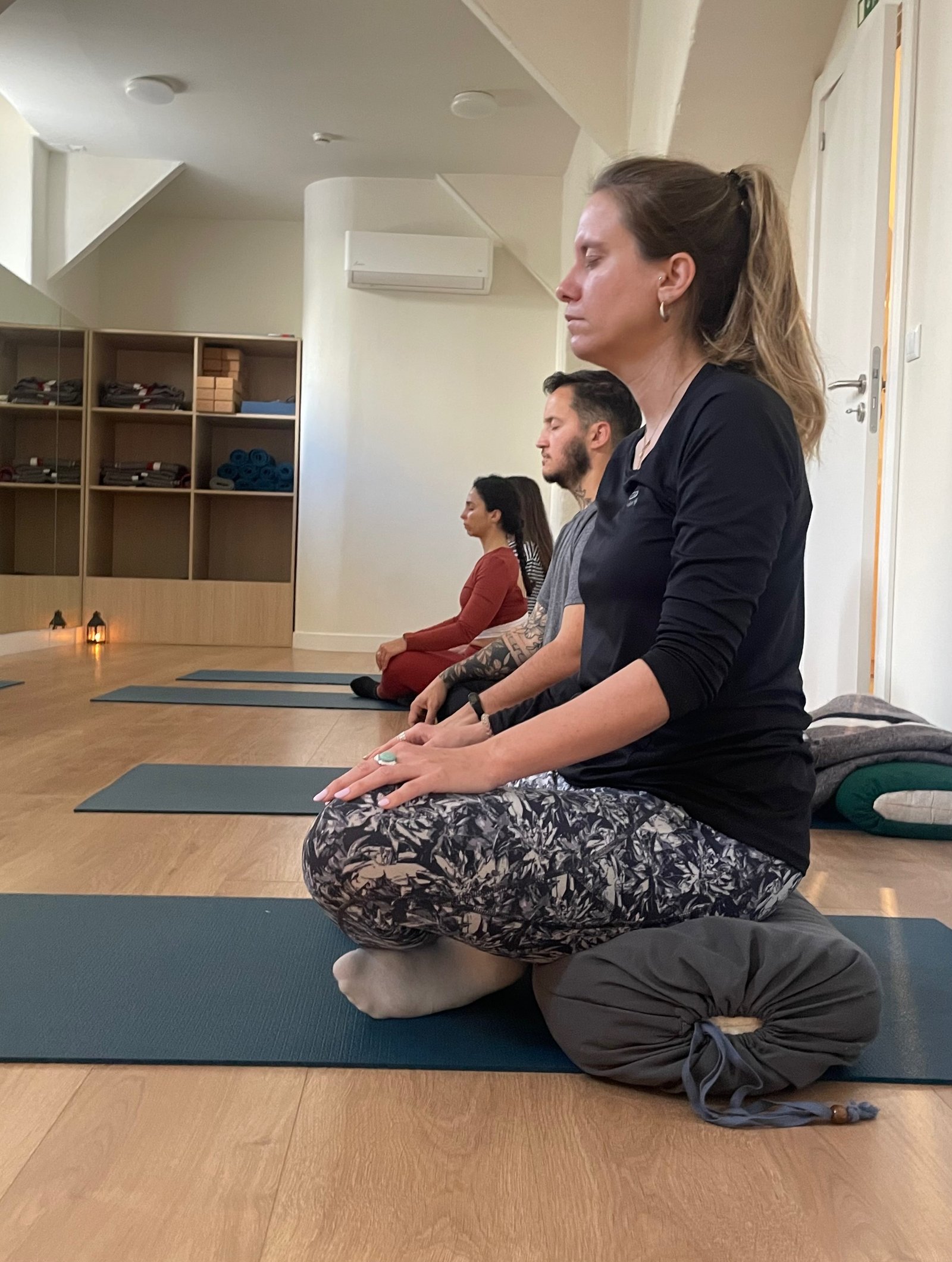
3. “I want to reduce stress and anxiety”
The Workshop Match: Ceramic hand-building or macramé
The repetitive, focused nature of handwork is therapeutic in ways that apps and meditation cushions often aren’t. When you’re rolling coils of clay or tying knots in cord, your mind can’t wander to your inbox or your worries. You’re fully absorbed in the texture, the pattern, the next step.
Occupational therapists have used craft activities for decades to treat anxiety. The bilateral hand movements, the sensory input, the visible progress… all of these calm your nervous system.
Why it works: Unlike meditation, which asks you to do nothing (incredibly hard for anxious brains), craft gives your hands something to do while your mind settles. The anxiety doesn’t go away because you forced it to. It dissolves because you were too absorbed to feed it.
Getting started: Try a macramé plant hanger workshop or a hand-building ceramics class focused on pinch pots and coiling techniques. Both are beginner-friendly and deeply meditative.
4. “I want to take better care of my body”
The Workshop Match: Cooking classes focused on nutrition
Joining a gym works for some people. For many others, it becomes a expensive source of guilt. But everyone eats multiple times a day. Learning to cook nutritious, delicious food is a resolution that compounds with every meal.
A cooking workshop teaches you not just recipes, but techniques. How to build flavor. How to work with seasonal ingredients. How to make vegetables taste so good you actually crave them. These skills transform your daily relationship with food.
Why it works: Cooking is immediately rewarding. You eat what you make. Your family or roommates benefit. Within weeks, you’re naturally eating better because you’ve made it easy and enjoyable, not because you’re white-knuckling past the takeout menu.
Getting started: Choose a cuisine or technique you’re curious about. Mediterranean cooking for health-conscious learners. Fermentation for gut health. Plant-based cooking if you want to eat less meat. Pick based on what excites you, not what you think you “should” do.
Resolution Category: Relationships & Connection

5. “I want to make new friends and expand my social circle”
The Workshop Match: Any group workshop in your interest area
One of the underrated benefits of workshops is the people you meet. Unlike networking events (forced and awkward) or gyms (where everyone has headphones in), workshops create natural connection. You’re working alongside people who share your interests. Conversation flows while you’re glazing pottery or kneading dough.
Many people report that their closest friendships in adulthood came from hobby communities, not work or old school connections.
Why it works: Shared activities create bonds faster than small talk over coffee. You’re not just chatting… you’re learning together, laughing at mistakes together, celebrating successes together. The activity gives you something to talk about, and the regular sessions create repeated contact, which is how acquaintances become friends.
Getting started: Look for multi-week workshop series rather than one-off classes. The repetition gives friendships time to develop. Consider activities that naturally involve teamwork or sharing (cooking classes, group pottery sessions, collaborative art projects).
6. “I want to spend more quality time with my partner”
The Workshop Match: Couples cooking classes or partner pottery sessions
Date nights often fall into a rut: dinner, movie, repeat. Workshops offer something different. You’re collaborating, learning together, maybe playfully competing. You see each other in a new context, away from work stress and household logistics.
Couples who learn together report higher relationship satisfaction. Shared novel experiences activate the same brain regions as early romance. Learning keeps things fresh.
Why it works: You create memories together, not just consume entertainment. The bowl you threw together on a wheel, the pasta you made from scratch… these become part of your relationship story. Plus, struggling through something new together (in a low-stakes, fun environment) builds intimacy.
Getting started: Choose something neither of you has done before so you’re on equal footing. Cooking classes, pottery, cocktail-making, photography walks… pick based on shared curiosity.
Resolution Category: Sustainability & Conscious Living

7. “I want to live more sustainably and reduce waste”
The Workshop Match: Bread-making, preserving, or natural dyeing
There’s a reason homesteading content explodes every January. People crave self-sufficiency and connection to where things come from. But you don’t need a farm. A sourdough starter and a Dutch oven will do.
Learning to bake bread means less packaging waste and fewer preservatives. Learning to preserve seasonal produce means eating locally and reducing food waste. Natural dyeing with plants means understanding the lifecycle of your clothes.
Why it works: These skills make sustainable living feel abundant, not restrictive. You’re not depriving yourself of bread… you’re making better bread than you can buy. You’re not suffering through tasteless “eco-friendly” products… you’re creating beautiful things yourself.
Getting started: Start with one skill that excites you. Sourdough baking has a huge supportive community. Fermentation (kimchi, sauerkraut, kombucha) is trendy and practical. Natural dyeing is surprisingly easy and produces gorgeous results.
8. “I want to understand where my food comes from”
The Workshop Match: Foraging workshops or farm-to-table cooking
When was the last time you thought about where your dinner actually grew? Foraging workshops reconnect you to the landscape. You learn what’s edible in your region, what’s seasonal, what’s been used for centuries.
Farm-to-table cooking classes often include farm visits or markets trips. You meet the people growing your food. You see how much work goes into a tomato.
Why it works: Once you’ve foraged your own mushrooms or picked your own olives, grocery shopping becomes different. You notice seasons. You value ingredients. You waste less. The resolution to “eat locally” stops being a chore and becomes genuine interest.
Getting started: Look for seasonal foraging walks led by experienced guides. Spring is perfect for wild herbs and greens. Autumn brings mushrooms and nuts. Even in cities, there’s more edible landscape than you think.
Resolution Category: Personal Growth & Learning

9. “I want to disconnect from screens and be more present”
The Workshop Match: Film photography or analog crafts
Digital life is exhausting. Everything is instant, everything is edited, everything demands your attention. Analog hobbies force you to slow down.
Film photography is particularly powerful for this. You have 36 shots on a roll. No delete button. No instant preview. You compose carefully. You wait for the right moment. Then you wait for development. The delayed gratification is a revelation.
Why it works: When you’re developing film in a darkroom or weaving on a loom, your phone is literally not an option. These activities demand both hands and full attention. You can’t half-watch your life while scrolling. You have to actually be there.
Getting started: Many cities have darkroom studios offering film photography courses. Alternatively, try weaving, bookbinding, or letterpress printing. The key is choosing something that’s incompatible with multitasking.
10. “I want to challenge myself and prove I can learn hard things”
The Workshop Match: Advanced technique workshops in any medium
Maybe you don’t need to start something new. Maybe you need to go deeper into something you already do. Take the advanced pasta-making class where you learn to make tortellini by hand. Sign up for the wheel-throwing intensive where you make 100 bowls in a weekend.
Pushing your skills builds confidence that transfers to other areas of life. If you can master croissant lamination or perfect your pottery throwing technique, what else might you be capable of?
Why it works: There’s a special satisfaction in doing something difficult well. Not because you have to, but because you chose to. It reminds you that growth is always possible, at any age. That you’re not done learning.
Getting started: Look for workshops labeled “intermediate” or “intensive.” These assume basic knowledge and push you further. Come prepared to be challenged and maybe frustrated. That’s where the growth happens.
How to Choose Your Resolution Workshop
With ten options, how do you pick? Here’s a simple framework:
Follow genuine curiosity, not what sounds impressive. The best resolution is one you’re actually excited about, not one that looks good on social media.
Consider your schedule realistically. A weekend intensive might work better than a six-week evening course if your schedule is unpredictable.
Budget appropriately. Workshops are investments. They cost more than a gym membership but deliver more value if you choose wisely. Look for early-bird pricing or multi-class packages.
Start with one. Don’t book five different workshops for January. Pick one, commit fully, and see where it leads.
Making It Stick: The First-Quarter Strategy
Here’s how to turn a single workshop into a lasting resolution:
Book in January, practice through March. Take your initial workshop in January while motivation is high. Use February and March to practice independently. By April, you’ll know if this is a passing interest or a real hobby.
Connect with the community. Exchange contact info with people from your workshop. Join online groups related to your new skill. Community sustains motivation when initial excitement fades.
Set a tangible goal. Not “get better at pottery” but “make a full set of dinner plates by June.” Specific goals give you direction.
Track your progress visually. Take photos of your work. Keep a making journal. Create a small portfolio. Seeing improvement motivates continued practice.
Invest incrementally. Don’t buy all the equipment immediately. Start with workshops that provide materials. As you confirm your interest, gradually build your toolkit. This prevents expensive abandoned hobbies.
The January Advantage
January is the perfect time to start because workshop studios know everyone’s making resolutions. Many offer New Year promotions, beginner-friendly sessions, and fresh course schedules. Classes fill up fast, so early January booking gets you the best selection of times and topics.
Additionally, starting in winter means you’re developing a hobby that works for cold, dark months. By the time summer arrives with its competing outdoor attractions, your new skill will be established enough to weather the distraction.
Your Move
Stop promising yourself you’ll change through sheer willpower. Stop setting resolutions that rely on your future self being more disciplined than your current self.
Instead, book something. Put it in your calendar. Pay for it. Tell someone you’re doing it.
Choose the resolution from this list that made you think “that actually sounds fun.” That’s your brain telling you where your authentic motivation lives.
The workshops are waiting. The materials are ready. The instructors expect you.
The only question is: which experience will you start 2026 with? We got them all here at Hands On.
Book your January workshop before the early-bird pricing ends and the best time slots fill up. Your February self will thank you for the decision your January self made.

 uk english
  pt portuguese