
Anthotype Photography Workshop



Workshop Overview
- LanguagePortuguese, English
- Duration2.5
- DifficultyBeginner
- Private Groups & Team Building
- 3 Min Group Size
- 10 Max Group Size
- 48 hours Advance Booking Time
- €30 Price Per Person (Groups)
- €120 Minimum Booking Value
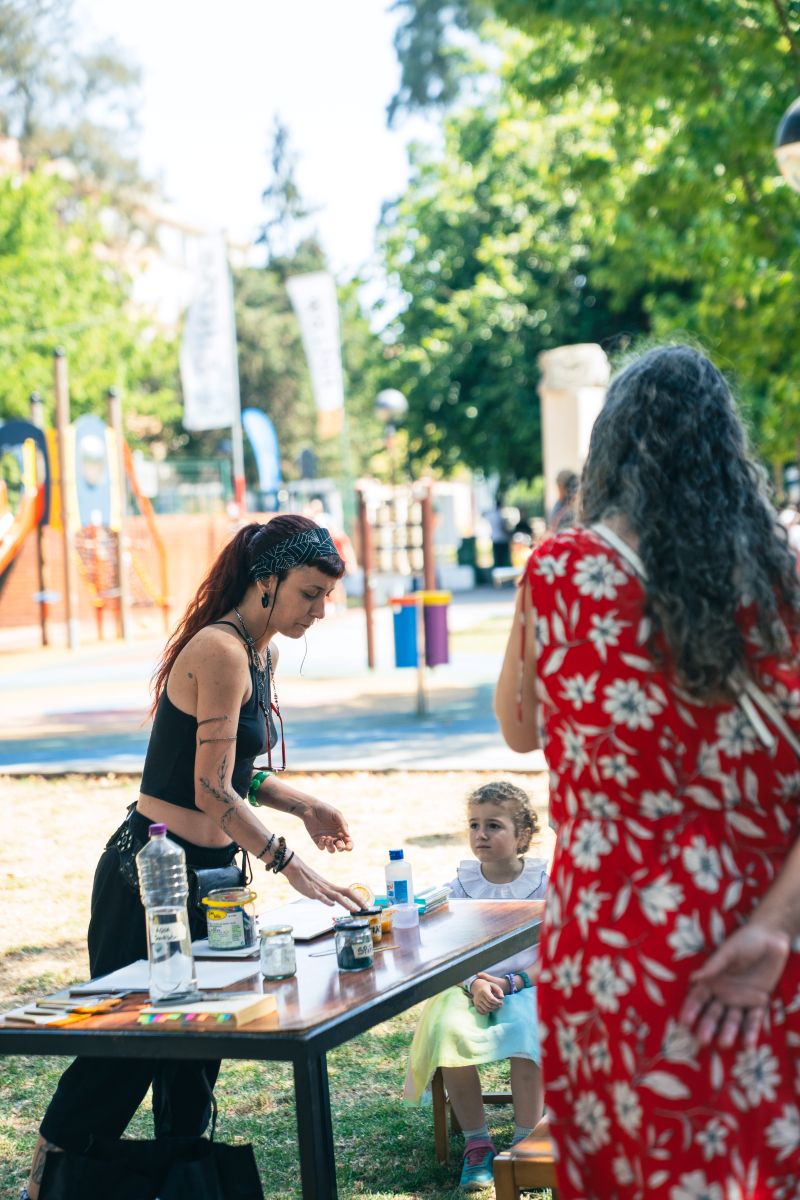
- On-Site, Off-Site Location Options
- Next DateUpon Request
Schedule Program
What's Included
Included
- Materials
- Refreshments
- Your own prints to take home
Location Details
Rua São João 73, São Domingos de Rana, Portugal
Bookings close 24 hours before the workshop starts.
Your Teacher

1 workshop · 0 followers
Inês Catarino (b. 1994) is a multidisciplinary artist, with her work rooted in analog photography and its alternative processes. In high school (Visual Arts, 2012) she joined the Analog Laboratory Club, where she learned the basics of developing and printing from photographic film.
She graduated in Photography at the Instituto Politécnico de Tomar (2016), where she started developing work with natural motifs and pigments, e.g. prints (called Anthotype). She was part of organizing, and participating, in a few community events related to photography and other arts. Also organizing a few collective pop-up exhibitions in Lisbon throughout the years.
In 2023, Lisbon, she enrolled in a series of workshops, offered by Tira-Olhos (an experimental photography association), where photography met performance, drawing and other mediums. Concluding it with the project Somatic Cyanotype - exhibited in a few photographic festivals and other exhibitions.
Her present work encompasses slow analog photography, the extraction of natural pigments for printing and dyeing. Together with other mediums like fabric, sewing, writing and others, in a search for the sublime between nature and human action. Inviting the search for a more sustainable view of photography and arts, and the idea of ephemeral work, that replicates the cycles of nature.
FAQ's
No. This workshop is suitable for complete beginners as well as anyone with an interest in photography, printmaking, or natural processes.
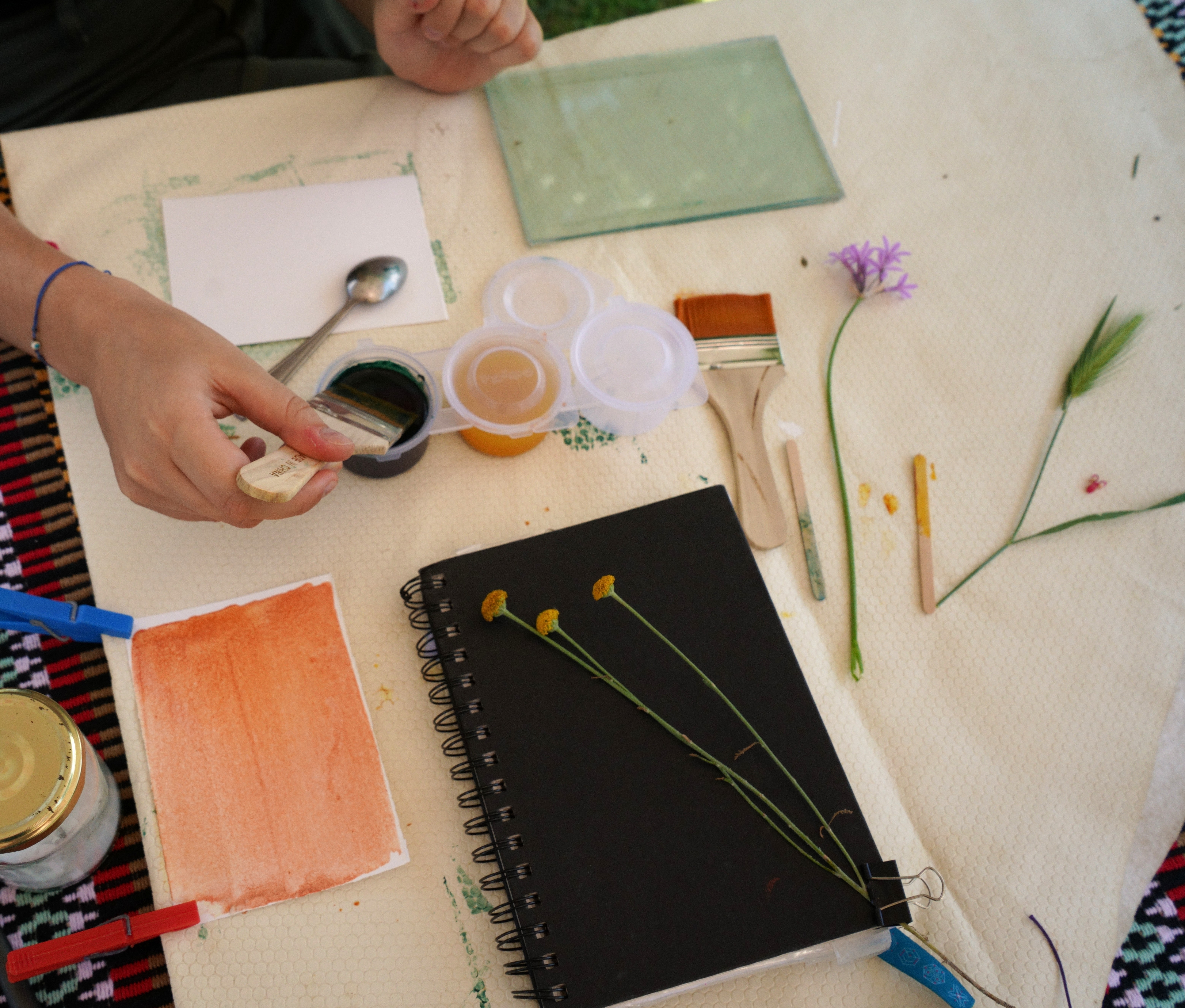
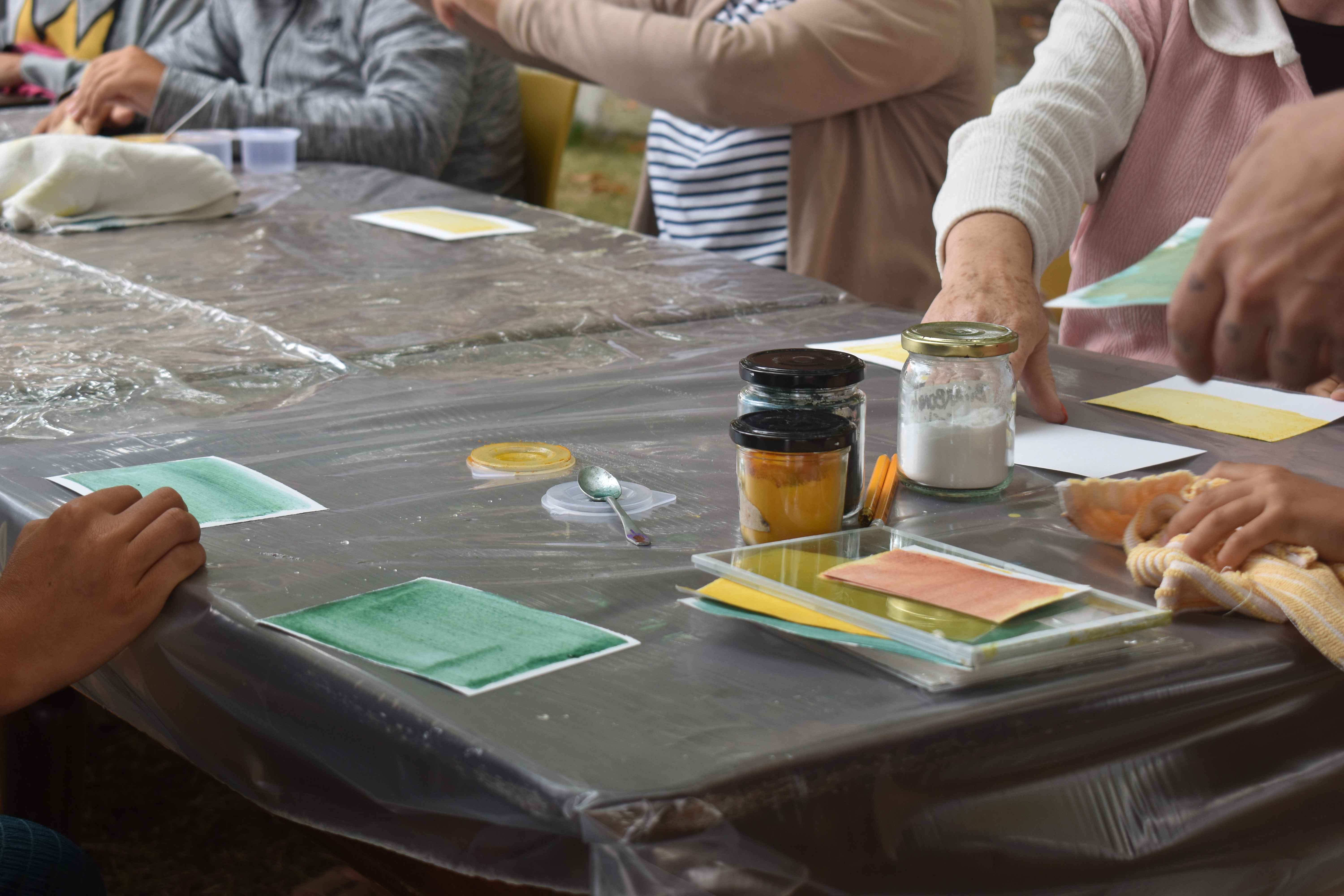
All materials are included, including natural pigments, paper, plant materials, and the tools needed to create your anthotype prints.
You will take home your anthotype prints, pigment samples or experimental papers created during the workshop, and the knowledge to continue exploring this alternative photographic process on your own.
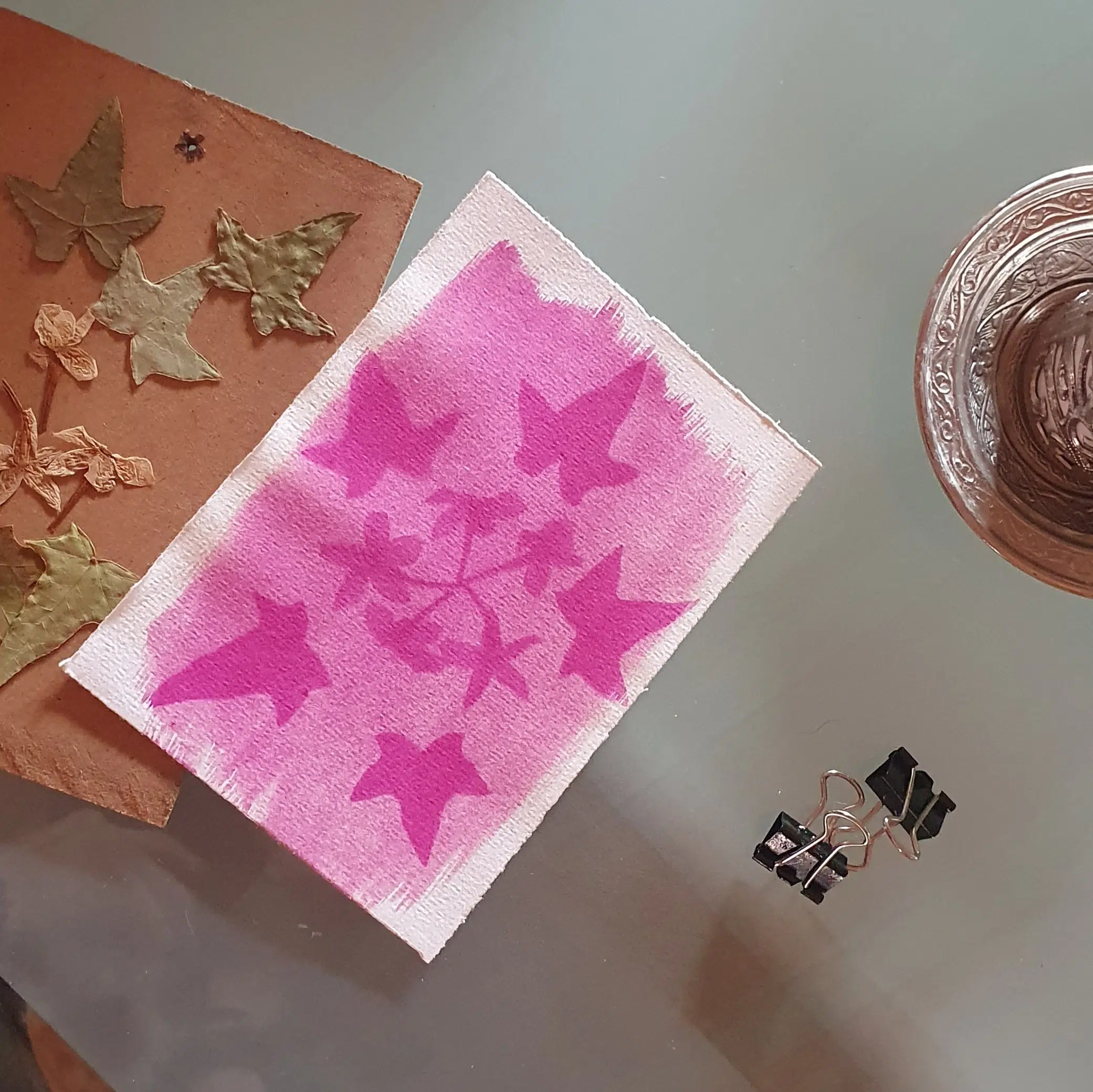
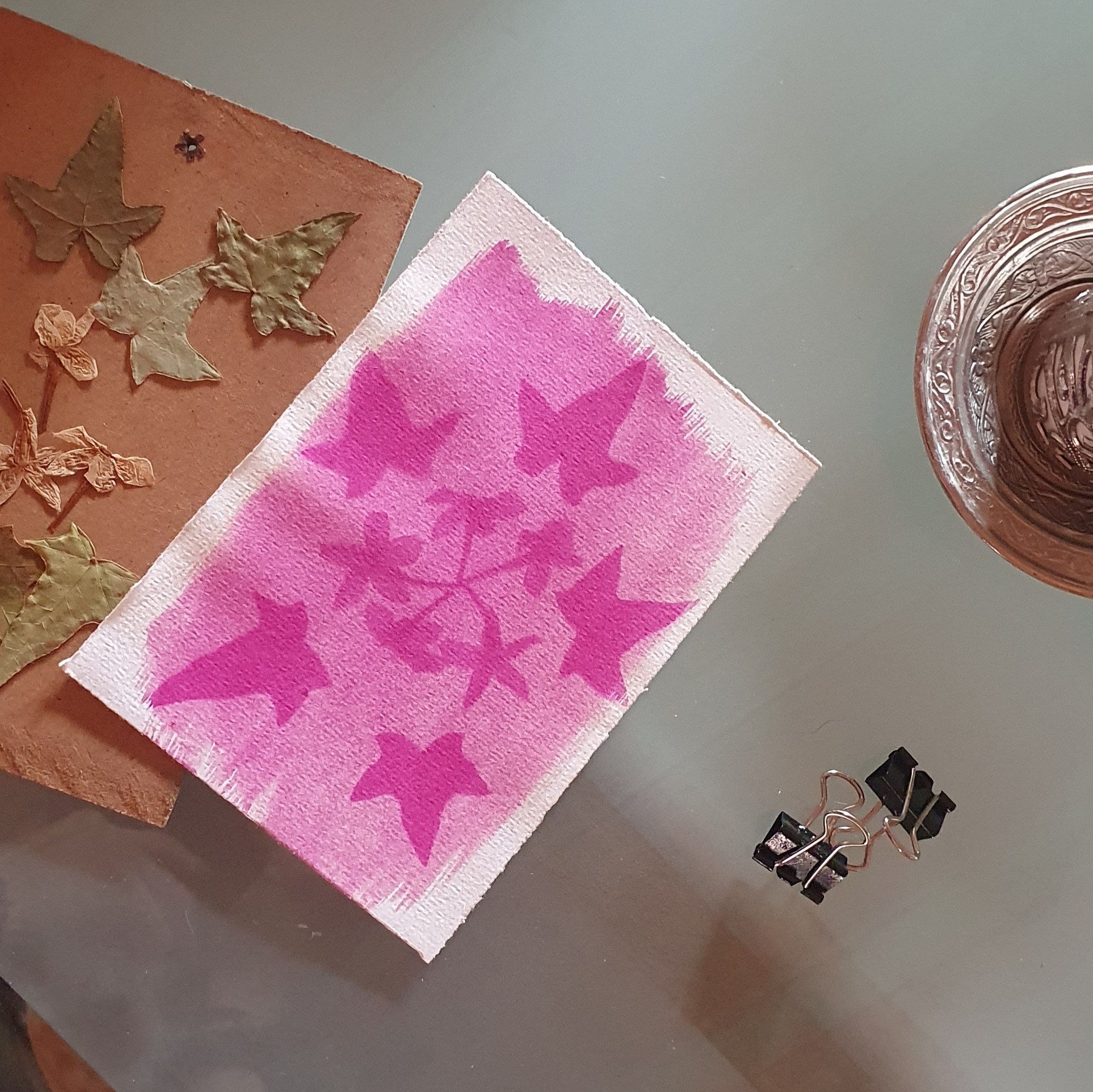
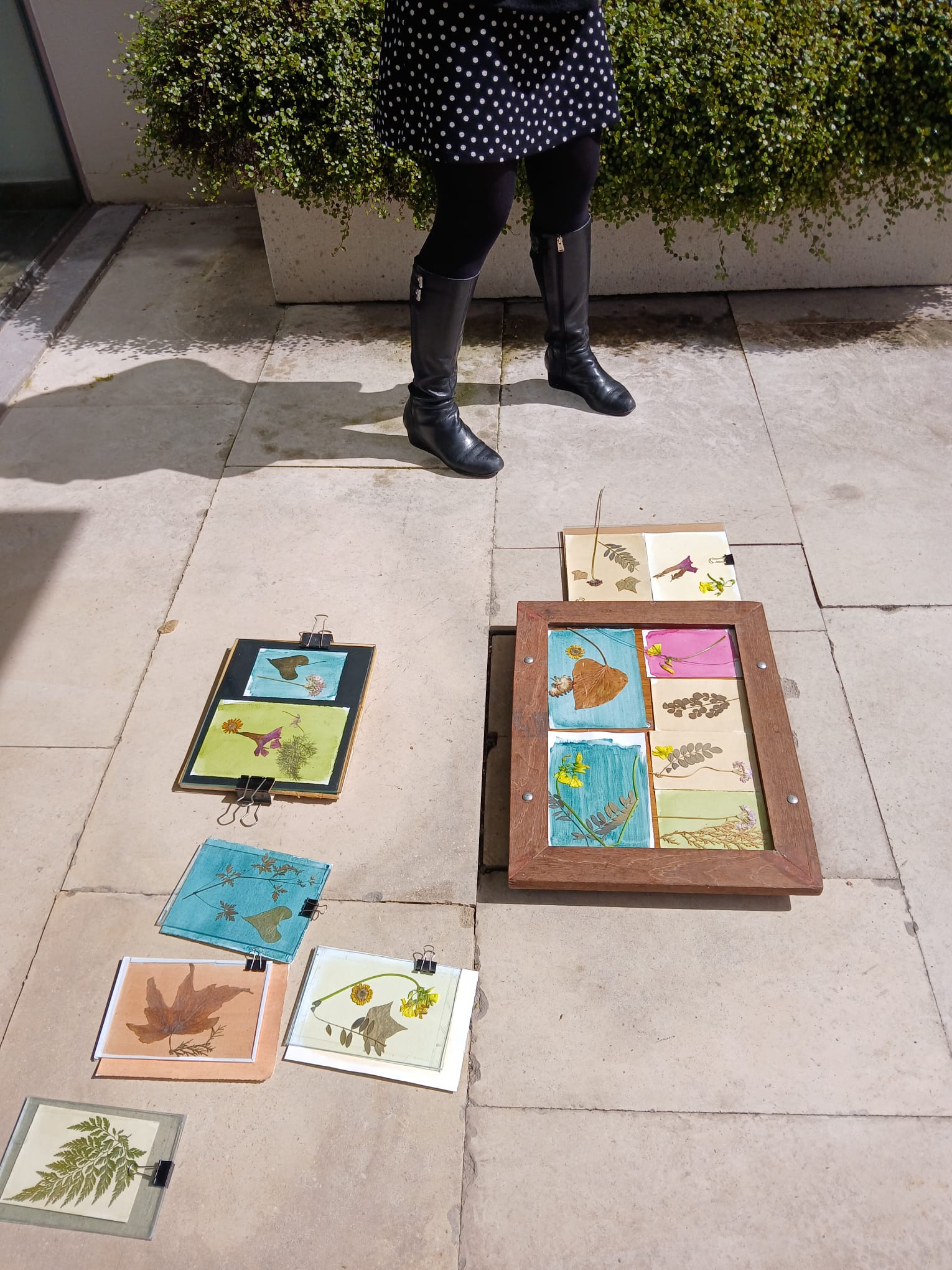
Anthotypes are created through a slow process that relies on sunlight. During the exposure time, participants will experiment with pigments through painting, mark-making, and other creative techniques while waiting for the prints to develop.
Anthotypes are naturally light-sensitive and will continue to change if exposed to strong light. To preserve them for as long as possible, they should be stored in a dark place or displayed away from direct sunlight. This ephemeral quality is part of the unique character of the process.
 uk english uk english
  pt portuguese