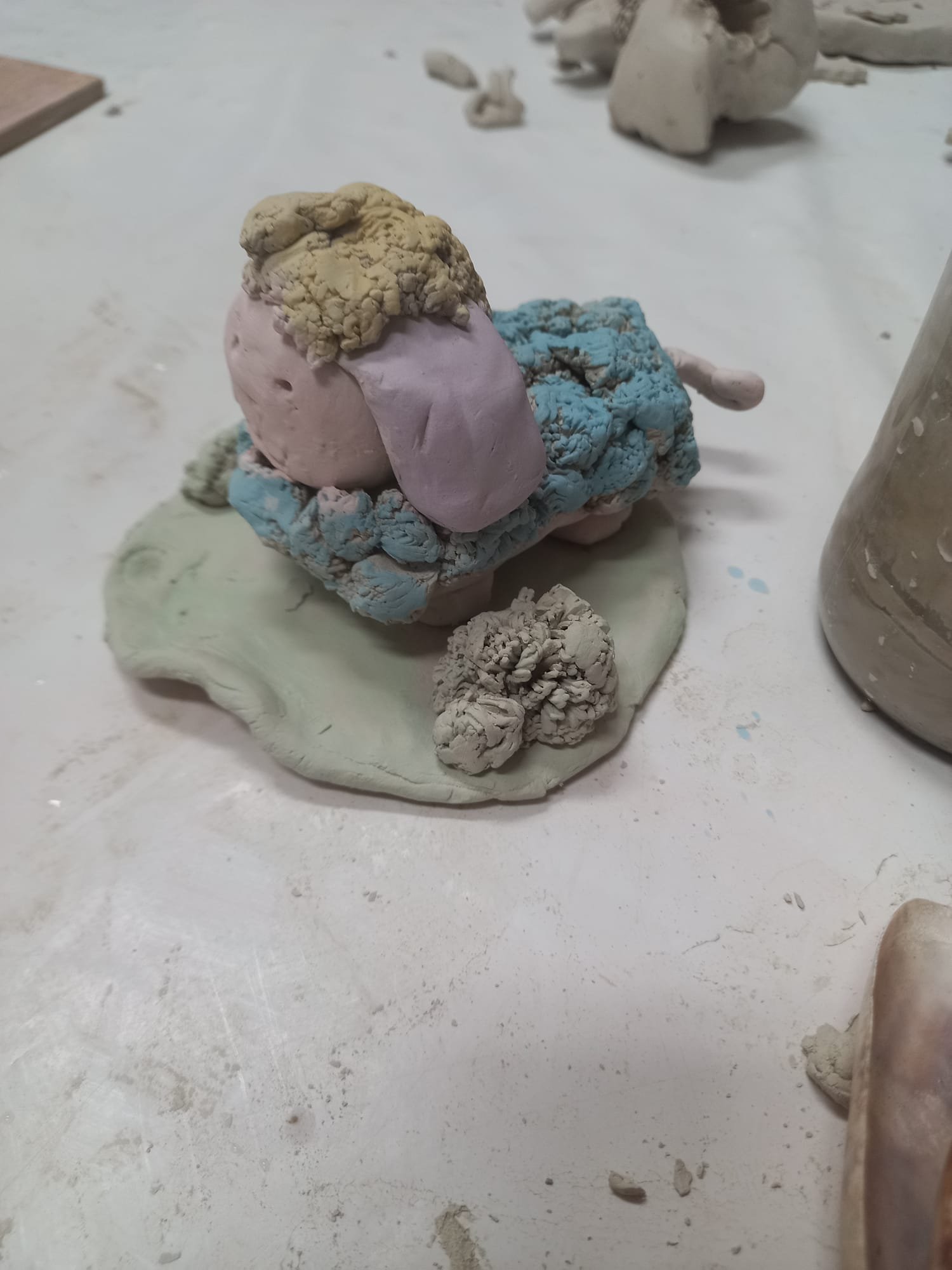
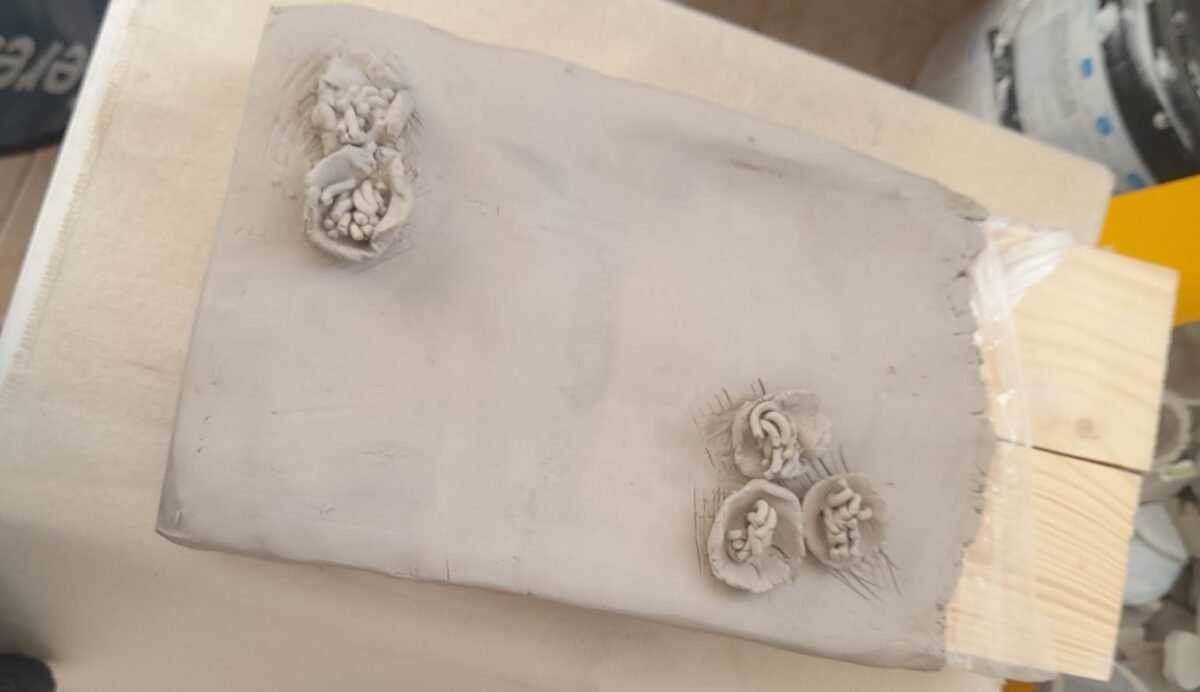
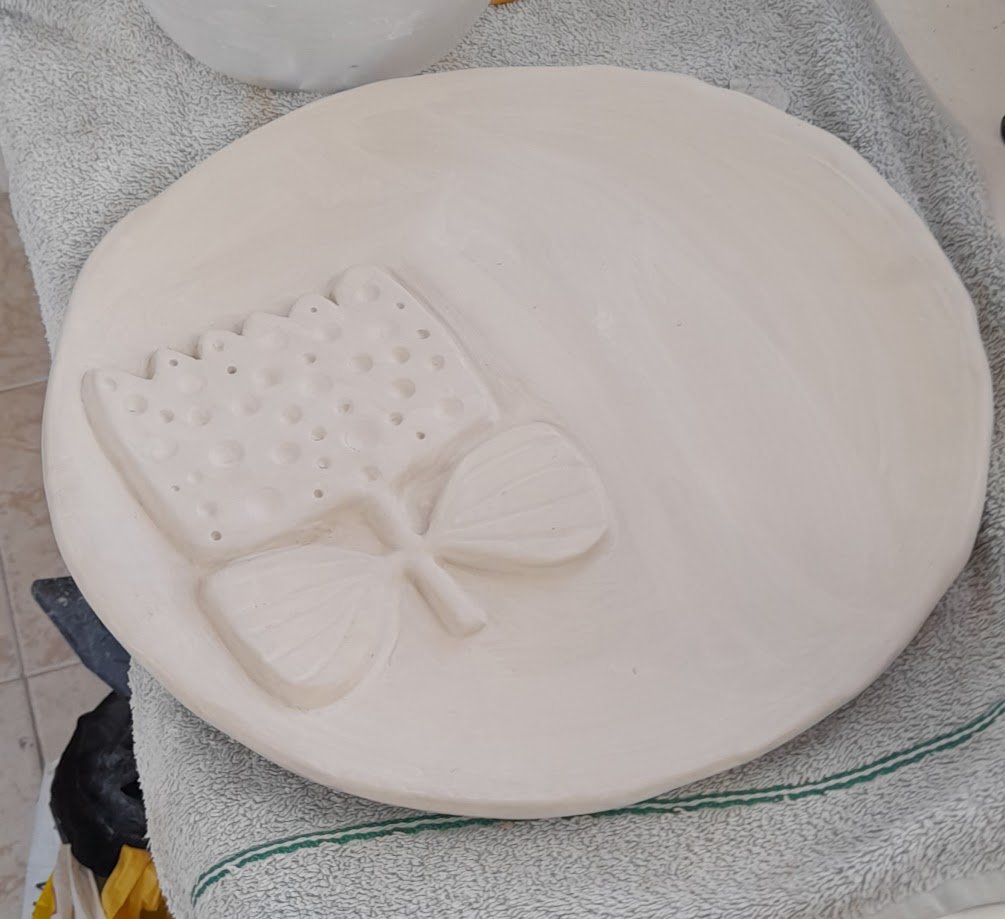
Pottery is a deeply enriching art form that goes far beyond making simple objects. Through clay modeling, adults can reconnect with their creativity, often forgotten in the fast pace of everyday life. Working with clay allows you to slow down, express emotions, and create unique pieces that reflect personal ideas, experiences, and memories.
In this Clay Modeling Workshop, participants will explore the properties of different types of clay, and the firing process that transforms raw material into durable ceramics. By learning about pottery hand-building methods such as slab, coil, and pinch, students gain a solid foundation in ceramic art that enhances both creativity and technical skills. This knowledge makes the experience of a pottery workshop more compelte, combining practical learning with an appreciation of the cultural and artistic significance of working with clay.
What You Will Learn in this Pottery Workshop
In this clay workshop you will explore four fundamental hand-building pottery techniques:
Slab
Pinch
Coil
Solid hollowed form
You will also get an introduction to different clay types and the process of transforming raw clay into ceramics.
Decoration and Finishing Techniques
During the class, you will practice pottery decoration using slips and textures on raw clay and bisque. At the end, you will learn glazing methods to finish your creations with professional results.
Take Home Your Own Ceramic Pieces
Every participant will design and shape at least 4 unique, functional pieces. Once glazed and fired, these handmade ceramics will be ready to use or gift to someone special.
Why Join This Clay Modeling Workshop
Hands-on creative activity that brings relaxation and focus
Learn the essential techniques of hand-building ceramics
Suitable for complete beginners, no prior experience needed
Ceramista com mais de 30 anos de experiência na criação, execução e formação em cerâmica artística. Formação técnica especializada e ampla atuação em projetos educativos, culturais e inclusivos. Destaca-se pela capacidade de coordenar oficinas de arte, promover o envolvimento comunitário e adaptar técnicas artísticas a diferentes públicos, incluindo pessoas com deficiência visual.