Sign In

  • Language
    Portuguese, English
  • Duration
    4H
  • Difficulty
    Beginner
  • Next Date
    01/10/2026

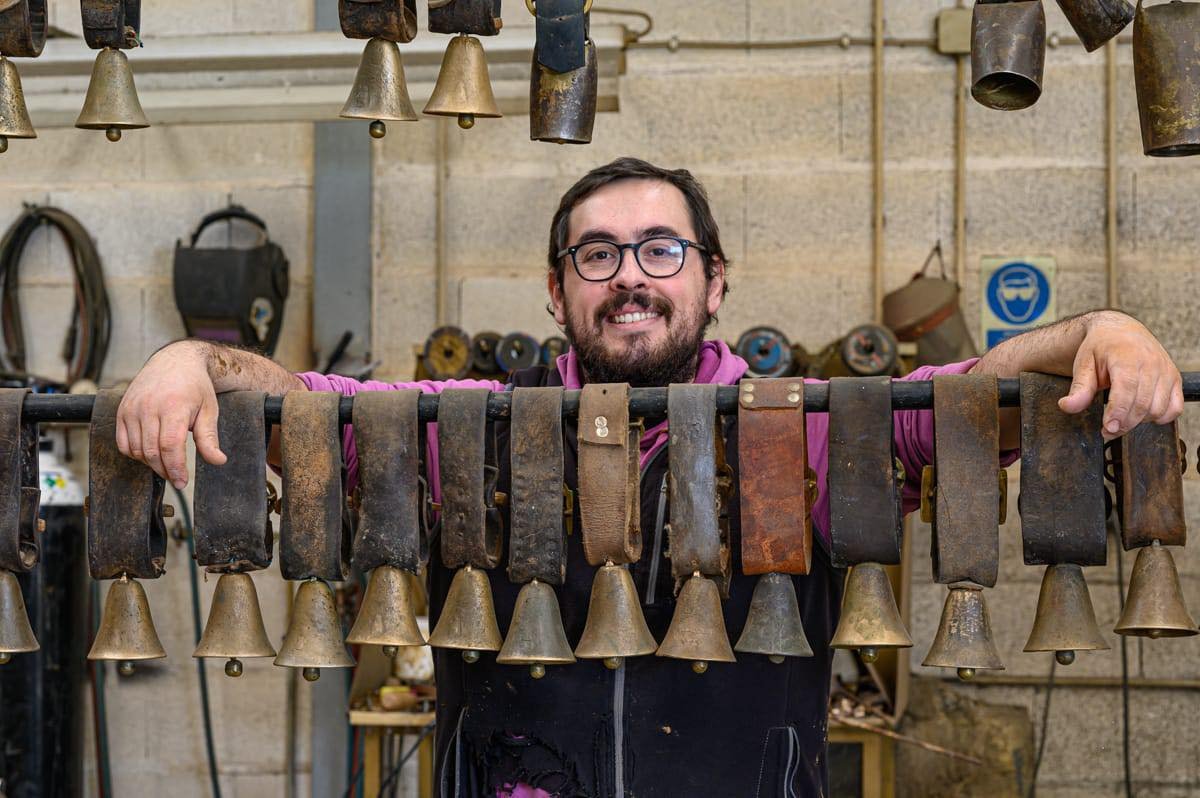
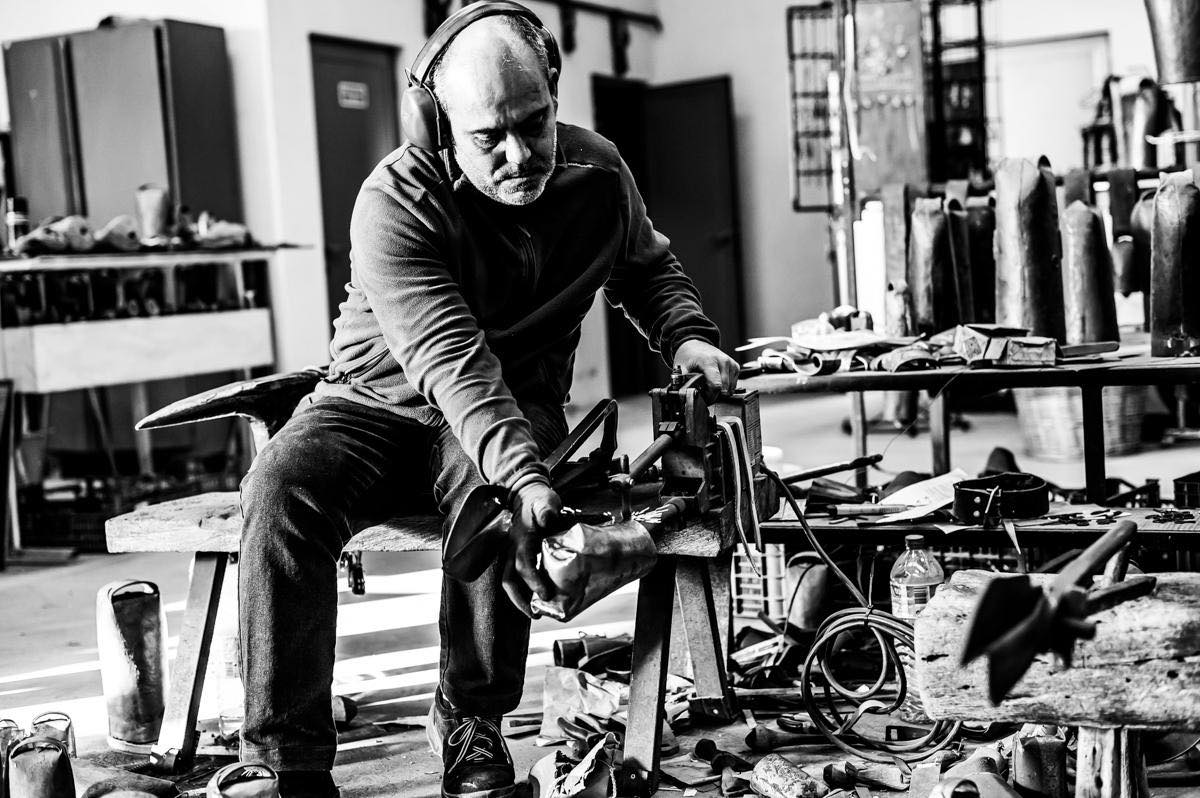
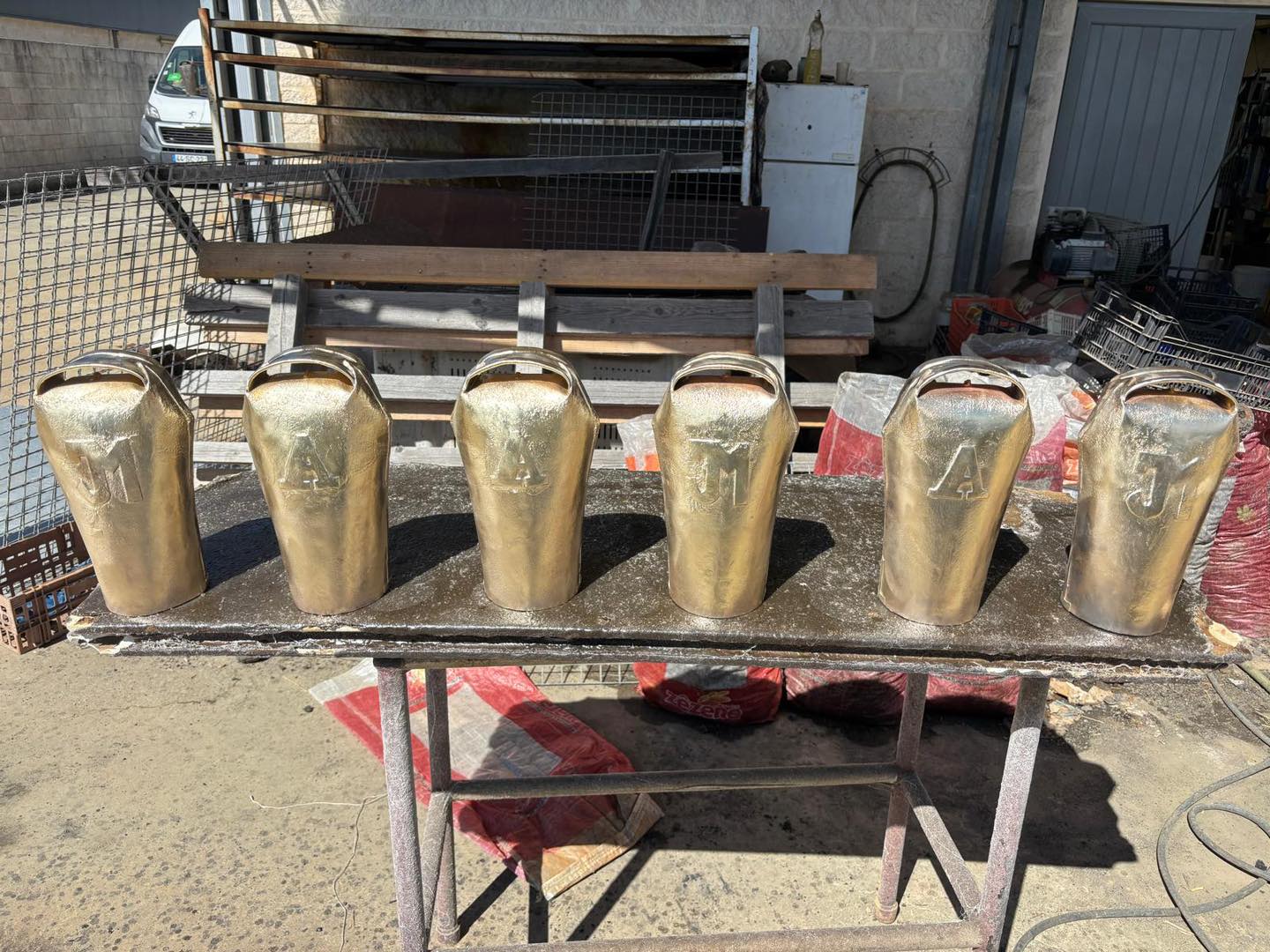
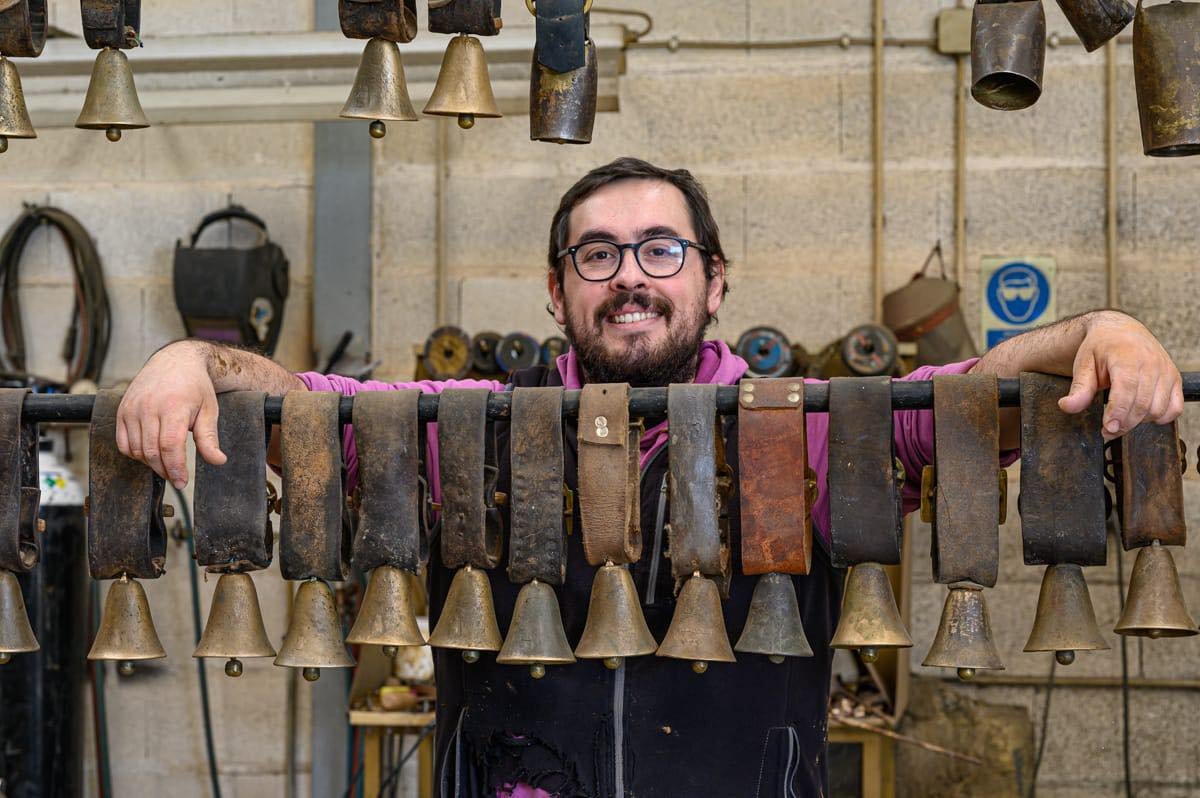
Cowbell making workshop in Alcáçovas at Chocalhos Pardalinho, a traditional artisan workshop founded on family knowledge passed down through generations since 1913 and recognised as part of UNESCO’s Intangible Cultural Heritage. In this four-hour hands-on session of maximum four participants, you take part in every single stage of the traditional handcrafted cowbell-making process, from drawing and shaping the iron sheet through heating the furnace to 1250 degrees, coating, soldering, tuning and polishing, all the way to carving the wooden clapper from holm oak and placing it inside the finished bell. You leave the same day with a cowbell you made entirely with your own hands. Not recommended for participants under 16 due to the high temperatures involved.

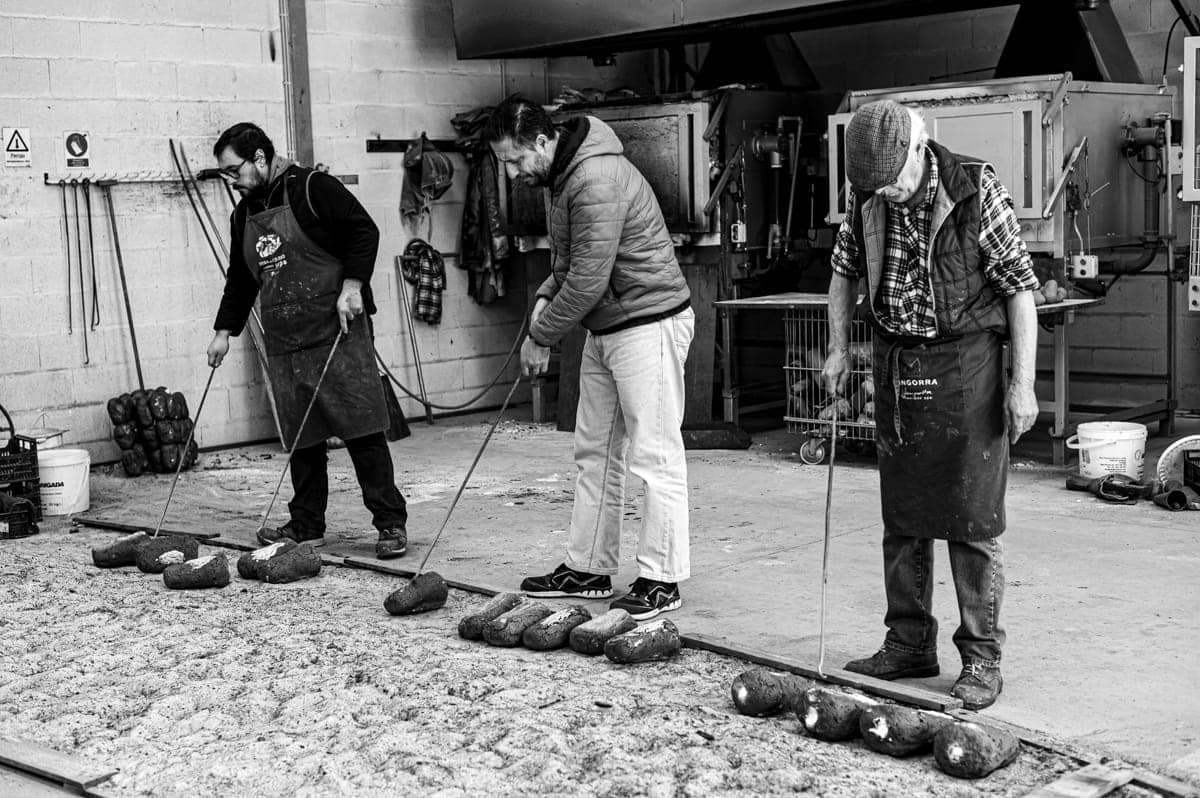
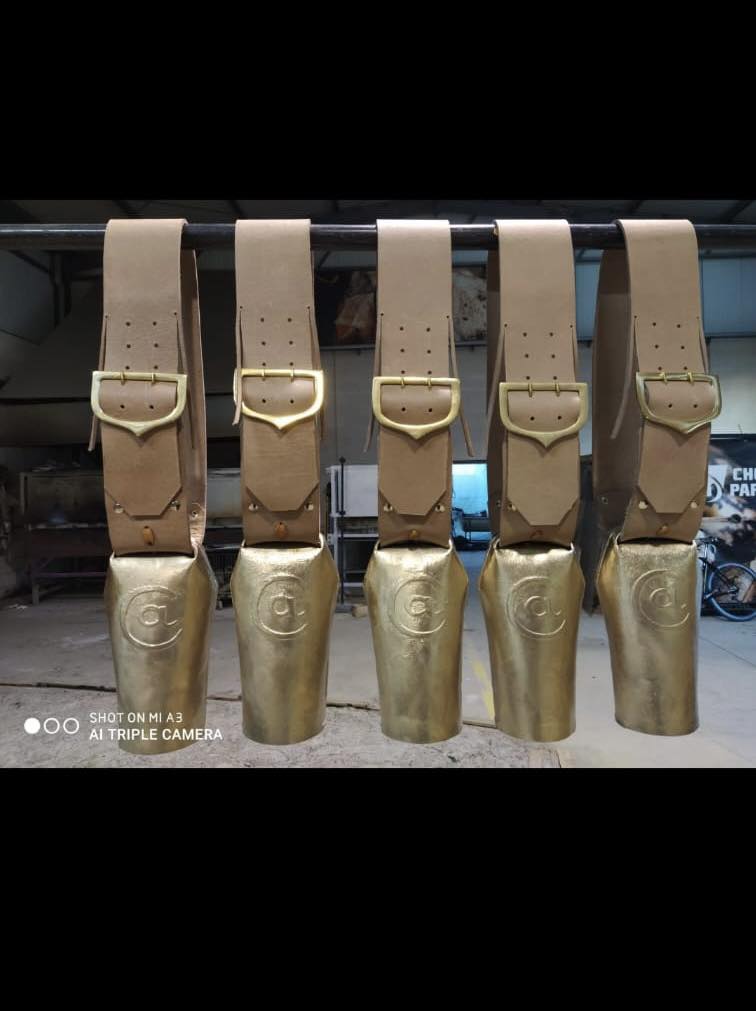
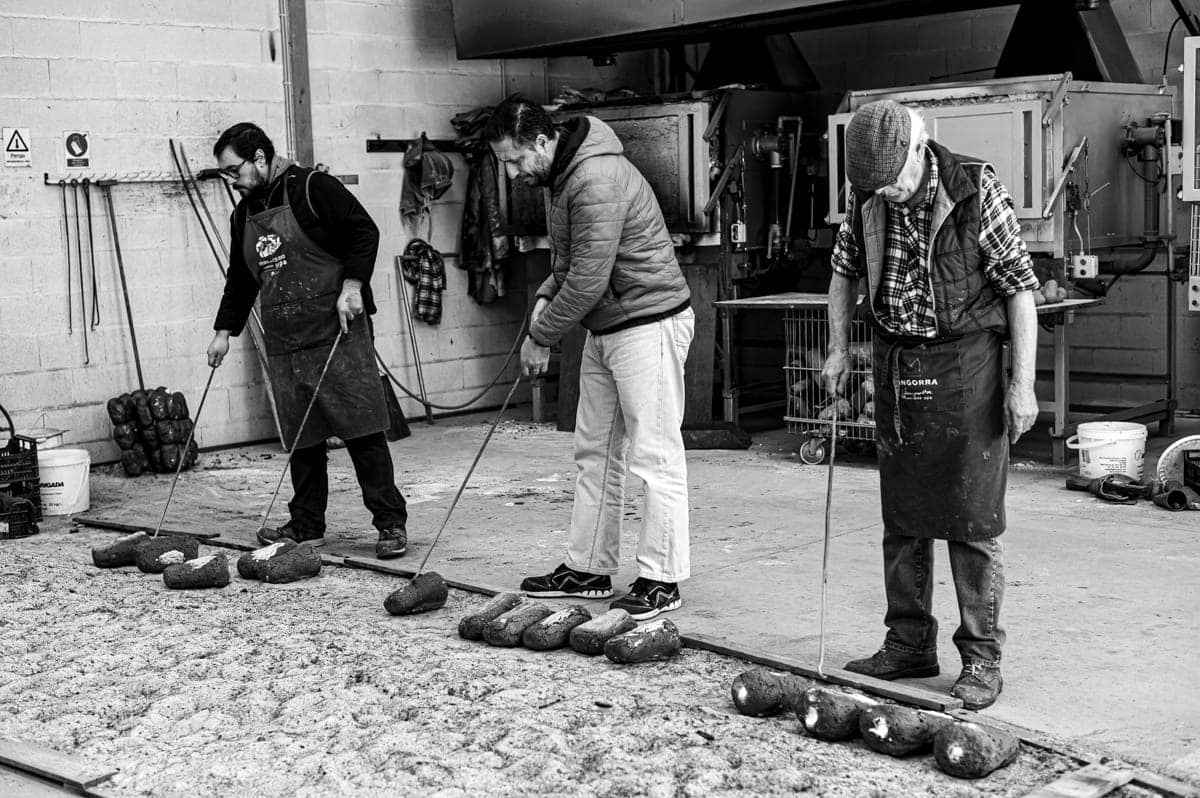
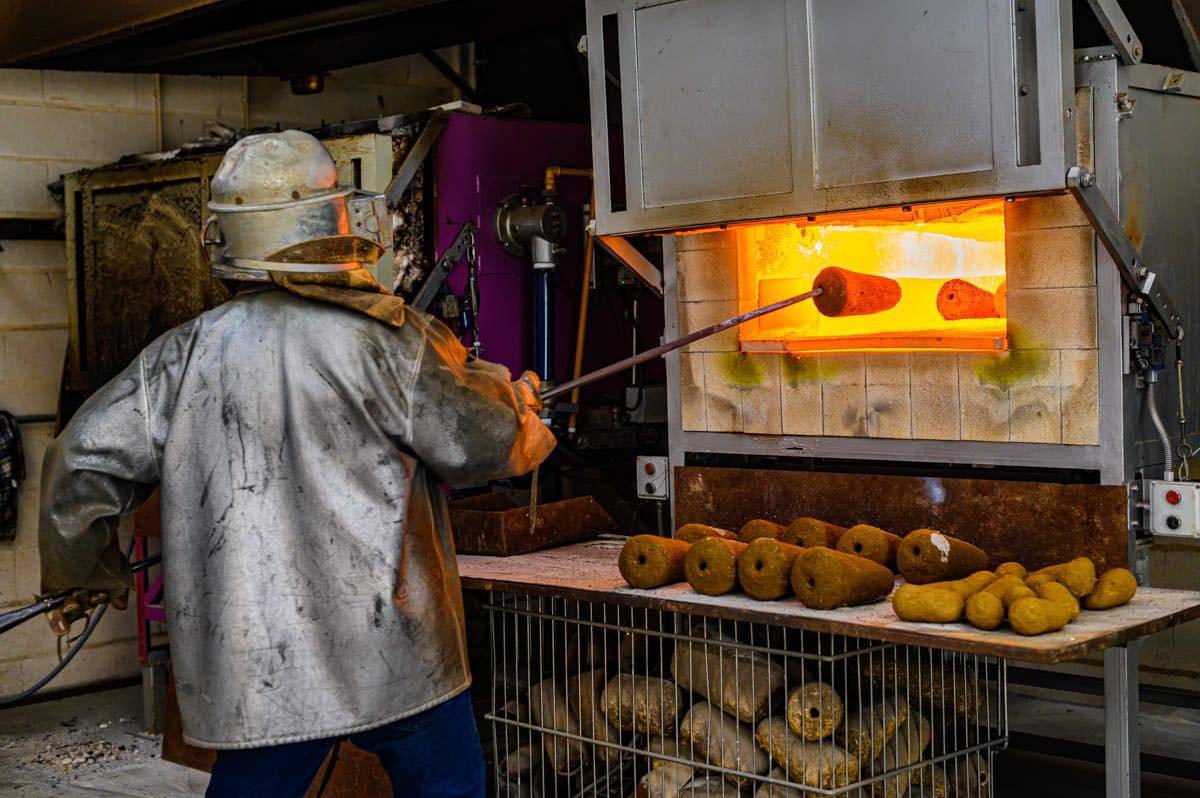
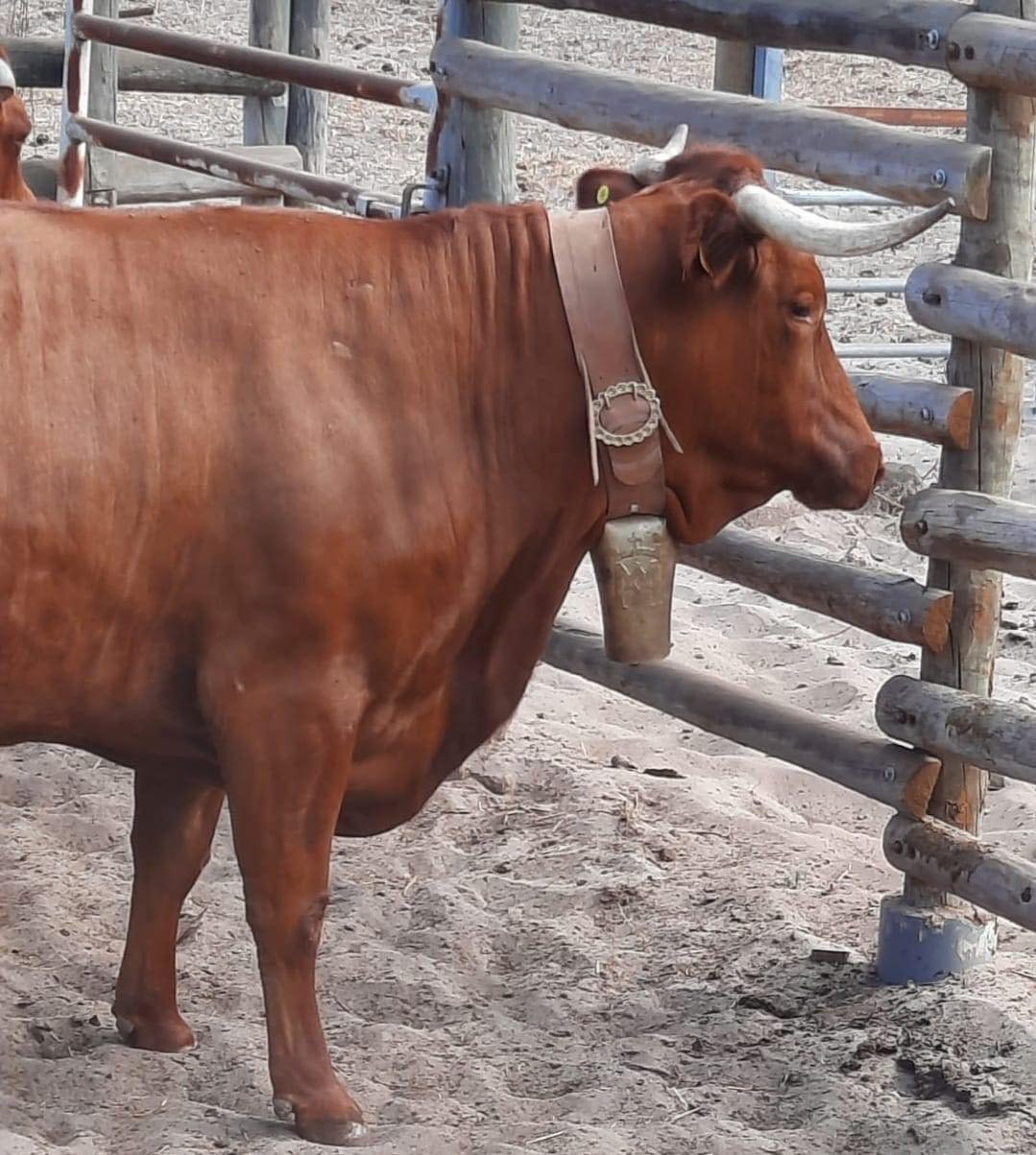
The process moves through every stage of the craft in sequence, nothing is skipped and nothing is done for you. You draw and carve the cowbell shape from a sheet of iron, heat the furnace to the required temperature, dry and roll the shaped bell, prepare the traditional mixture of clay and shredded straw used to coat it, apply the clay coating, solder the bell in full protective clothing, roll and cool it in cold water to create the thermal shock that defines its form, break the clay mould to reveal the finished bell, then tune and polish it to achieve the strong and distinctive sound that has defined the Alentejo landscape for centuries. A traditional leather collar for placing the bell on a cow can be purchased on-site at additional cost.


What you’ll learn

🔔 How to draw, carve and shape a cowbell from a sheet of iron

🔔 How to heat and manage a furnace at approximately 1250 degrees Celsius

🔔 The traditional clay and straw coating process and how it shapes the bell during firing

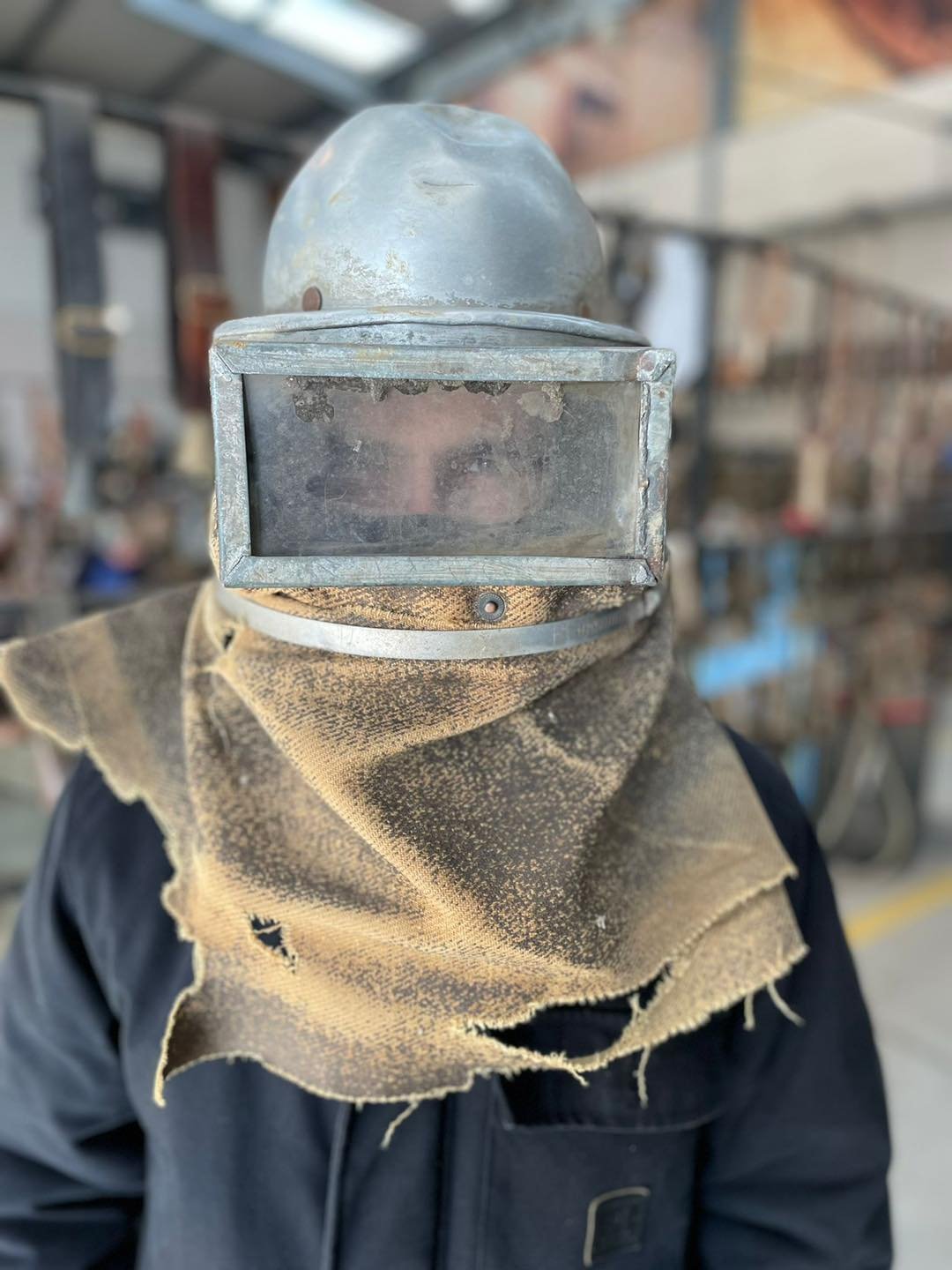
🔔 Soldering technique using full protective clothing in high-temperature conditions

🔔 How thermal shock through cold water cooling contributes to the bell’s final form

🔔 Tuning and polishing techniques for achieving the cowbell’s distinctive and powerful sound

🔔 How to carve a wooden clapper from holm oak and place it inside the finished bell


What’s included

⚒️ Full participation in every stage of the traditional cowbell-making process

⚒️ All materials including iron sheet, clay, straw, brass and holm oak wood

⚒️ Full guidance from the Chocalhos Pardalinho team throughout

⚒️ Your finished handcrafted cowbell to take home on the same day

⚒️ Protective clothing for the soldering stage


What you leave with

A handcrafted Portuguese cowbell made entirely by your own hands using the same techniques practised at Chocalhos Pardalinho since 1913, tuned and polished and ready to ring as loudly and distinctively as any bell in the Alentejo.


We are Chocalhos Pardalinho, a traditional artisan workshop in Alcáçovas dedicated to preserving the centuries-old craft of handmaking Portuguese cowbells. Founded on family knowledge passed down through generations since 1913, we blend traditional techniques with careful innovation to keep this unique cultural heritage alive. Recognised as part of UNESCO’s Intangible Cultural Heritage, every bell we make reflects deep respect for history, craftsmanship and the enduring connection between music, metalwork and rural tradition.

Maximum 4 participants. Not recommended for under 16s due to high temperatures. Usually runs from 9am to 1pm, may run longer depending on pace. Traditional leather collar available to purchase on-site.

Related Tags: Arts & Crafts, Art, Artisanal

Location

Chocalhos Pardalinho, Rua dos Saberes e Sabores, Alcáçovas, Portugal

FAQ

Do I need any previous experience to participate?

No previous experience is necessary. The workshop is guided step-by-step, allowing participants to learn the traditional techniques of handcrafted Portuguese cowbell making in a safe and engaging environment.

How long does the activity last?

The workshop normally takes place from 9:00 AM to 1:00 PM, although it may take longer depending on the pace of the group and the progress of each cowbell being made.

Is the activity suitable for children?

Due to the use of high temperatures, metalwork, and specialized tools, the activity is not recommended for participants under 16 years old.

What will I bring home with me?

At the end of the experience, you will take home your very own handcrafted traditional Portuguese cowbell, made entirely by you during the workshop. A traditional leather collar can also be purchased separately on-site.

How many people can participate in each workshop?

The workshop is limited to a maximum of 4 participants, ensuring a more personal and hands-on experience for everyone involved.

When is this activity available?

Usually we do this workshop from October to February. Neverthless, if you would like to do it in another month, please reach out to us and we will let you know if we have availability.

📅 Reserve Your Spot

370.00 €
Total Price
Available time slots
No slots for this day
Tickets 1
Tickets
Have a coupon?
This coupon was added
Book

OR

🎁 offer as gift

New Dates Coming Soon

    Fully Booked

    This session is sold out, but we're planning the next ones. Click the ❤️ Follow button to receive notifications, gift the workshop for later, or contact us to express your interest!

    🎁 offer as gift

    More about your Teacher Chocalhos Pardalinho

    Chocalhos Pardalinho

    Chocalhos Pardalinho is a traditional artisan workshop based in Alcáçovas, Portugal, dedicated to preserving the centuries-old craft of handmaking Portuguese cowbells, known as chocalhos. Founded on family knowledge passed down through generations since 1913, the workshop blends traditional techniques with careful innovation to keep this unique cultural heritage alive. Recognized as part of UNESCO’s Intangible Cultural Heritage, Chocalhos Pardalinho represents the spirit, sound, and identity of the Alentejo region. Every handcrafted bell reflects a deep respect for history, craftsmanship, and the enduring connection between music, metalwork, and rural tradition.