

Best Team Building Activities in Portugal 2026
- By André
- Team building
- artisan workshops corporate team bonding creative team activities group workshops hands-on workshops ollaborative experiences professional development workplace collaboration
Corporate team building has a credibility problem. Everyone knows the drill: trust falls that nobody trusts, icebreakers that freeze conversation, rope courses where the only thing teams bond over is shared embarrassment. You spend budget, lose a workday, and return to the office with nothing changed except everyone now has matching t-shirts they’ll never wear.
Real team building doesn’t happen through contrived games or motivational speakers. It happens when people work together toward tangible goals, support each other through actual challenges, and create something they’re genuinely proud of. The best team cohesion emerges from shared accomplishment, not forced vulnerability exercises.
Portugal’s hands-on workshops replace corporate team building theater with authentic collaborative experiences. Your team throws pottery on wheels, bakes sourdough bread in wood-fired ovens, or bottles wine at century-old wineries. These aren’t metaphors for teamwork they’re actual teamwork producing real results people take home.
Perfect for companies tired of generic team building packages, HR departments seeking memorable alternatives to trust falls, remote teams gathering for quarterly offsites, new teams needing genuine bonding experiences, or any organization wanting team building that respects participants’ intelligence and produces lasting results.
Why Traditional Team Building Fails (And What Actually Works)
Trust falls don’t build trust. Sharing your biggest fear with coworkers you barely know doesn’t create connection. Solving arbitrary puzzles designed by consultants doesn’t improve workplace collaboration. These activities fail because they’re transparently artificial.
The authenticity gap: Teams recognize when exercises are manufactured specifically for team building. That recognition creates cynicism that undermines the entire purpose. When the challenge isn’t real, the bonding isn’t either.
No transferable skills: You’ll never use trust fall techniques at work. But pottery’s patience, bread’s collaborative timing, and wine bottling’s quality focus? Those lessons transfer directly to workplace dynamics and project management.
Nothing to show for it: Abstract exercises leave teams with nothing but vague memories and perhaps some photos. Creating actual pottery, baking actual bread, or bottling actual wine gives teams tangible evidence of what they accomplished together.
Forced vulnerability backfires: Making people share personal information in artificial settings creates discomfort, not connection. Working side by side on challenging tasks allows organic relationship building at whatever pace feels natural.
One size fits all doesn’t fit anyone: Generic team building treats all teams identically. Craft workshops allow teams to self-select experiences matching their interests creative teams might choose pottery, food-focused teams prefer bread, competitive teams thrive in wine bottling challenges.
The experience ends when it ends: Traditional team building creates no ongoing connection. But teams who’ve made pottery together have pieces on their desks reminding them daily. Teams who’ve baked bread together share recipes. The workshop extends into workplace culture naturally.
The Best Team Building Workshops in Portugal for 2026
These three workshops transform team building from obligation into genuine collaborative experience, each offering different dynamics suited to different team needs and company cultures.
Team Building Pottery Workshop for Creative Collaboration
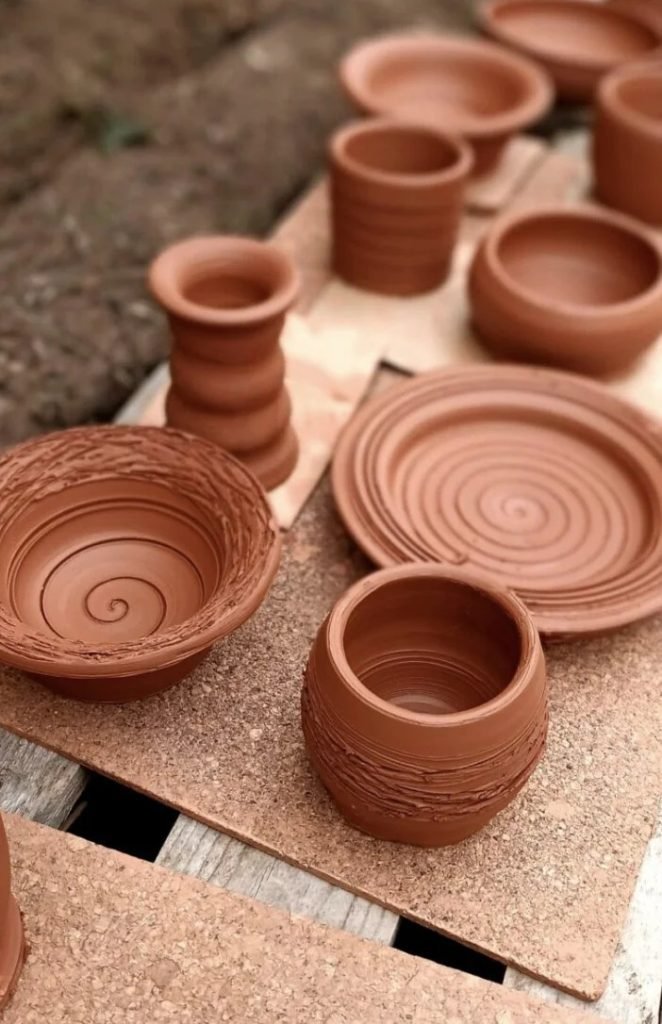
What makes it special: This corporate pottery challenge transforms raw earth into functional objects through techniques passed down across millennia. Teams discover the ancient art of pottery and clay modeling while naturally developing patience, coordination, and mutual support through shared ceramic experiences on the potter’s wheel.
The collaborative structure: Participants work both individually and collaboratively throughout the experience. Teams prepare clay together, support each other during the challenging wheel-throwing learning curve, and share problem-solving techniques while creating personal pieces. This balance mirrors healthy team dynamics where individual contributions combine into collective success.
What your team will experience:
🏺 Complete pottery introduction and wheel-throwing instruction
🏺 Collaborative clay kneading and preparation requiring teamwork
🏺 Hands-on potter’s wheel practice creating bowls, cups, plates, and mugs
🏺 Finishing techniques for personalizing individual creations
🏺 Understanding drying cycles necessary for ceramic completion
🏺 Additional instruction in handles, attachments, and joining methods
🏺 Decorative approaches using stamps, sgraffito carving, and polishing
🏺 Both individual creation and collaborative support throughout
What’s included: All clay, tools, and materials for team activity, pottery contextualization and process introduction, collaborative clay preparation building coordination, individual piece creation with mutual encouragement, finishing and decorative techniques guidance, pieces to take home as lasting team accomplishment reminders, and optional muffle kiln firing services for permanent completion.
The progression: The workshop follows a structured team building sequence. Begin with pottery history and process overview, understanding how ancient techniques apply to modern collaboration. Work as a team kneading and preparing clay, building coordination that mirrors effective workplace teamwork. Learn to create functional forms on the potter’s wheel under guidance, with mutual support emerging naturally as team members encourage each other. Apply final touches to pieces, expressing individual style while benefiting from shared problem-solving and technique exchange.
Why it works for team building: The pottery wheel doesn’t lie. Everyone struggles initially, creating instant humility and mutual empathy. When team members naturally start helping each other troubleshoot clay consistency or hand positioning, that’s genuine collaboration emerging organically, not forced through manufactured exercises.
The patience lesson: Working with clay teaches accepting imperfection and appreciating gradual progress. These insights apply directly to workplace collaboration and project management. Teams learn together that rushing produces worse results than patient, careful work a lesson more valuable than any PowerPoint about agile methodology.
The stress relief factor: The meditative quality of working with clay provides natural stress relief. Teams relax together while creating, fostering genuine connection in calm, focused environment. This shared calm creates team bonding that forced high-energy activities can’t replicate.
Perfect for: Corporate teams seeking meaningful bonding activities, organizations wanting hands-on creative challenges beyond typical exercises, groups developing collaboration and communication skills, teams needing mutual support and patience practice, companies wanting tangible keepsakes commemorating shared accomplishment, and organizations seeking unique team building through ancient craft learning.
Minimum participants: 15 people. The experience develops team cohesion naturally through shared creative challenges.
Unique factor: Unlike abstract team building exercises, participants leave with physical ceramic pieces they created. These lasting artifacts sit on office desks, home shelves, or kitchen counters as permanent reminders of team bonding and shared creative achievement.
Team Building Sourdough Bread Workshop Sintra for Collaborative Creation
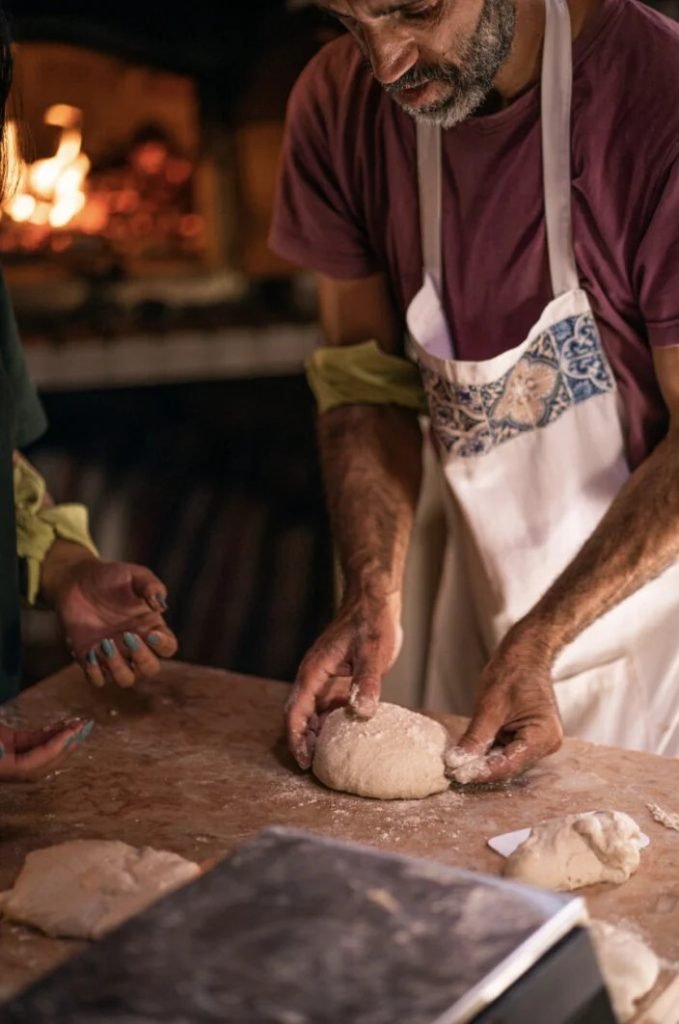
What makes it special: This immersive sourdough bread workshop in Sintra strengthens team connections through artisanal bread-making using natural fermentation and artisanal Portuguese flours. Teams work collaboratively through the complete bread production process from kneading to baking in traditional wood-fired ovens, taking home warm loaves they created together.
The artisanal approach: This workshop explores one of the most ancient forms of bread-making using natural sourdough starter (massa mãe) consisting only of flour and water. Teams experience hands-on practice at Eco-retiro de Galamares or Adega do Mare et Corvus in Sintra, beautiful natural settings that enhance the collaborative experience.
What your team will learn:
🍞 Natural fermentation science and sourdough starter maintenance
🍞 Artisanal flour exploration featuring Portuguese mill-ground organic varieties
🍞 Complete bread-making methodology from mixing through bulk fermentation
🍞 Shaping and final proofing techniques for professional results
🍞 Wood-fired oven baking creating distinctive crusts and enhanced flavor
🍞 Understanding how sourdough culture transforms flour into digestible bread
🍞 Appreciation of artisanal flour quality and origin impacting final results
What’s included: All artisanal flours from Portuguese mills and sourdough starter, complete sourdough bread-making instruction, wood-fired oven baking experience in traditional settings, tasting of warm fresh-baked bread straight from the oven, bread to take home as reminder of team accomplishment, foundational fermentation knowledge for continuing independently, and collaborative teamwork approach with shared tasks throughout.
The collaborative process: Bread-making requires teamwork at every stage. From kneading to shaping to oven management, team members naturally support each other, building genuine connections through shared tasks. The workshop begins with exploration of diverse flour types from living Portuguese mills, then moves through natural fermentation understanding, collaborative production sharing tasks throughout, wood-fired baking watching team bread transform in authentic environment, and concludes with tasting and sharing warm loaves straight from the oven.
Why it works for team building: Bread-making has natural rhythms that can’t be rushed. Teams learn together that fermentation takes the time it takes, that shortcuts produce inferior results, and that patience and proper process yield the best outcomes. These lessons about respecting natural timelines and trusting the process transfer directly to workplace project management.
The sensory reward: Unlike activities producing abstract outcomes, bread-making delivers immediate sensory satisfaction. Teams smell the yeast working, feel dough transform under their hands, hear crust crackling from the oven, and taste warm bread they created together. These multisensory experiences create stronger memories than purely visual or intellectual team building.
The cultural connection: Working with Portuguese mill-ground flours and traditional wood-fired ovens connects teams to centuries of Portuguese artisanal tradition. This cultural depth adds meaning beyond the immediate activity, creating appreciation for craftsmanship and quality that enriches the entire experience.
Perfect for: Corporate teams seeking meaningful collaborative experiences, groups interested in slow food traditions and artisanal practices, teams wanting hands-on learning in beautiful natural settings, organizations promoting sustainability and traditional crafts, companies looking for authentic team bonding through shared creation, and teams appreciating cultural and culinary education.
The Sintra setting: Eco-retiro de Galamares and Adega do Mare et Corvus provide inspiring natural environments that enhance team connection. The beautiful surroundings create relaxed atmosphere where genuine bonding happens organically.
Unique factor: Teams gain foundational fermentation knowledge applicable beyond the workshop. The education extends value beyond the single event, empowering continued practice. Some teams report starting workplace bread-baking clubs after experiencing this workshop together.
Team Building Wine Workshop Sintra for Competitive Collaboration
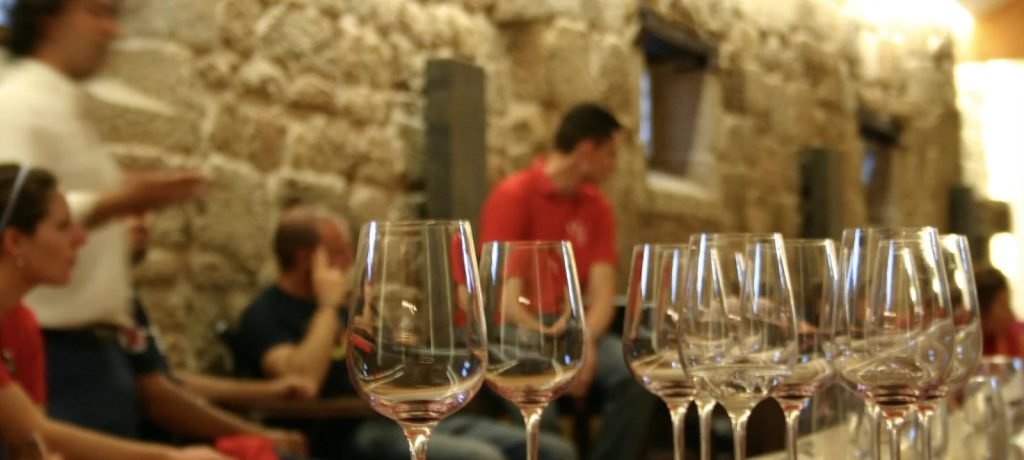
What makes it special: This dynamic wine bottling challenge at a century-old Sintra winery combines hands-on wine industry education with collaborative competition. Teams learn complete bottling procedures including filling, corking, capsule application, and label placement while developing creative marketing slogans for their wines, all hosted by a traditional saloio character actor who brings authentic Portuguese cultural color to the experience.
The competitive format: Unlike the purely collaborative pottery and bread workshops, this wine challenge introduces friendly competition between teams. Groups compete on both technical execution (proper bottling procedures) and creative thinking (marketing slogan development), raising energy and engagement throughout the experience while still requiring strong collaboration within each team.
What your team will experience:
🍷 Century-old winery tour contextualizing bottling within winemaking traditions
🍷 Wine tasting session exploring Sintra regional viticulture
🍷 Hands-on bottling procedures including all technical steps
🍷 Precise filling to appropriate levels without spillage
🍷 Proper cork insertion ensuring airtight seals
🍷 Capsule application for professional presentation
🍷 Label placement with careful alignment
🍷 Marketing slogan development for your bottled wines
🍷 Team-based competition combining technical and creative skills
What’s included: Century-old Sintra winery tour and wine tasting, complete wine bottling instruction covering filling, corking, capsule, and label application, all materials provided for team-based bottling competition, marketing slogan development challenge, interactive hosting by saloio character actor bringing local tradition to life, and fun, culturally rich atmosphere throughout.
The progression: The workshop follows a dynamic competitive structure. Begin with comprehensive winery tour and wine tasting exploring production traditions and regional wines. Divide into competing teams preparing for the bottling challenge, with each team receiving materials and instruction. Work collaboratively through technical bottling requiring coordination, quality attention, and efficient workflow management. Develop compelling promotional slogans combining technical accomplishment with creative thinking. Share team slogans and celebrate finished products together, toasting collaborative achievements with final wine tasting.
Why it works for team building: The dual challenge format exercises different team capabilities within single cohesive activity. Technical precision requires coordination and quality focus. Creative marketing demands brainstorming, consensus-building, and presentation skills. Teams must excel at both to win, ensuring no single personality type dominates the entire experience.
The cultural immersion: The traditional saloio host character maintains entertaining, culturally immersive atmosphere throughout. This authentic Portuguese element distinguishes the experience from generic wine activities while bringing levity to serious wine production learning. The century-old winery setting adds historic character that enhances both the educational and bonding aspects.
The quality focus: Learning professional bottling standards teaches attention to detail and quality control that transfers directly to workplace performance. Teams understand viscerally that shortcuts in filling, corking, or labeling produce inferior products. This quality consciousness develops naturally through wine production practice rather than through lectures about excellence.
Perfect for: Corporate teams seeking unique Portuguese cultural experiences, wine-loving groups wanting hands-on production knowledge, organizations desiring memorable bonding activities in historic settings, teams needing coordination and quality focus development, companies appreciating creative marketing challenges, and groups wanting fun, culturally immersive competition.
Minimum group size: 15 people. Prices and workshop duration vary depending on group requirements.
Unique factor: Teams create actual bottled wine products complete with marketing slogans they developed. These finished bottles serve as memorable evidence of team accomplishment that participants can share with family and colleagues, extending the team building impact beyond the workshop itself.
How to Choose Your Team Building Workshop
Match your team dynamics:
👥 Needs patience and mutual support development → Pottery Workshop
👥 Works well collaboratively, needs process appreciation → Sourdough Bread Workshop
👥 Thrives on friendly competition and creative challenges → Wine Bottling Workshop
👥 Mixed dynamics requiring balance of all three → Consider rotating through different workshops quarterly
Consider your team’s interests:
👥 Creative, artistic team → Pottery Workshop
👥 Foodies or sustainability-focused → Sourdough Bread Workshop
👥 Wine enthusiasts or marketing-oriented → Wine Bottling Workshop
👥 Diverse interests → Survey team preferences before booking
Think about desired outcomes:
👥 Need collaborative skills without competition → Pottery or Bread
👥 Want to identify and develop competitive dynamics positively → Wine Bottling
👥 Seeking stress relief and meditative bonding → Pottery
👥 Building appreciation for process and patience → Bread
👥 Exercising both technical and creative capabilities → Wine Bottling
Factor in logistics:
👥 Team distributed across locations → Sintra workshops (Bread, Wine) offer beautiful destination setting worth travel
👥 Limited travel budget → Pottery workshop location flexibility
👥 Want memorable setting enhancing experience → Sintra’s century-old winery or beautiful natural bread-baking locations
Consider team size:
👥 All workshops require minimum 15 participants
👥 Larger teams (30+) might split into multiple simultaneous workshops or rotate through stations
👥 Smaller teams under 15 can combine with other companies or wait for open enrollment dates
What to Expect from Portuguese Team Building Workshops
The booking process: Contact HandsOn.pt with team size, preferred dates, and workshop choice. Prices and specific timing vary based on group requirements. Book at least one month in advance for popular dates, two months for quarterly planning.
Pre-workshop communication: Organizers provide details about what to wear (comfortable clothes for all workshops, nothing precious for pottery), what to bring (appetites for bread and wine workshops), and any preparation needed.
Arrival and setup: Teams arrive at workshop locations, meet facilitators, and receive overview of the day’s structure. The introduction establishes tone professional and educational but fun and relaxed.
The experience itself: Expect initial awkwardness as people try unfamiliar skills. This is intentional and valuable. The shared difficulty creates bonding opportunities impossible in activities where some team members already excel.
Facilitator management: Workshop leaders guide not just technique but also team dynamics. They notice when quieter team members need encouragement, when competitive elements need tempering, or when groups need breaks.
The finished products: Teams take home tangible results pottery pieces, bread loaves, or bottled wine. These artifacts become office décor, conversation pieces, and permanent reminders of the shared experience.
Post-workshop continuation: Many teams report continued connection to workshop themes. Pottery teams share photos of their pieces in use. Bread teams exchange recipes. Wine teams reference their bottling experience when tasting wines together.
Making the Most of Your Team Building Investment
Set clear intentions: Before the workshop, communicate why you’ve chosen this activity. “We’re doing this to practice patience and mutual support” or “to exercise both technical and creative skills together” helps teams engage meaningfully rather than treating it as random fun.
Encourage full participation: Make attendance non-optional for core team members. Team building only works when the team actually participates together. Half-attendance undermines the entire purpose.
Document the experience: Assign someone to photograph and video-record the workshop. These materials become valuable for internal communications, recruitment, and future team building planning.
Create follow-up touchpoints: Schedule a team meeting a week later to discuss what people learned and how it applies to current projects. Reference workshop lessons during work situations “Remember how rushing the bread ruined it? Let’s take time to do this properly.”
Display the results: Put pottery pieces in common areas. Share bread recipes on internal channels. Display wine bottles in the office. These visible reminders reinforce the team building impact daily.
Repeat with variations: Annual or quarterly workshops become team tradition. Rotate through different activities to build varied skills while maintaining the ritual of shared creation.
Extend to new team members: When new people join, include them in the next workshop. This onboarding-through-shared-experience integrates them faster than traditional orientation ever could.
Why Portugal’s Workshops Beat Generic Team Building
Authentic cultural immersion: Portuguese artisanal traditions carry centuries of history. Teams connect with genuine cultural heritage rather than participating in activities invented last year by consultants.
Real skill development: Participants learn actual pottery, bread-making, or wine bottling techniques from people who practice these crafts professionally. The education has substance beyond team building metaphors.
Beautiful settings: Sintra’s century-old wineries, natural bread-baking locations, and dedicated pottery studios provide inspiring environments that enhance the experience. Generic hotel conference rooms can’t compete.
Tangible value: Teams create products with real market value. The pottery, bread, and wine they produce could be sold. This tangible worth makes accomplishments feel meaningful rather than merely symbolic.
No corporate theater: These workshops don’t pretend to be anything other than what they are collaborative craft experiences. The honesty allows genuine engagement impossible when teams recognize manufactured emotional manipulation.
Facilitation quality: Workshop leaders teach craft first, team building second. This priority creates natural team development rather than forced bonding exercises disguised as activities.
Why Your Team Needs Better Team Building in 2026
Remote work, hybrid schedules, and distributed teams mean people collaborate digitally but rarely connect physically. Annual offsites become critical opportunities for building relationships that digital communication can’t replicate.
Generic team building wastes these precious in-person opportunities. Trust falls and icebreakers use valuable face time on activities nobody wants to do. Meanwhile, collaborative craft workshops let teams spend hours working side by side on meaningful projects, building natural rapport through shared purpose.
The pottery your team throws together, the bread you bake, the wine you bottle these become physical evidence that your team can create something worthwhile through collaboration. That evidence matters more than motivational speeches or team-building theory.
Plus, these workshops respect participants’ intelligence. Nobody pretends that learning to make pottery directly improves Q4 sales performance. But everyone understands that teams who work well together on difficult pottery challenges probably collaborate better on difficult workplace challenges. The connection is obvious without being heavy-handed.
Pick the workshop matching your team’s interests and dynamics. Book it before prime dates fill. Show up ready to get clay on your hands, flour in your hair, or wine on your sleeves. Create something together that proves your team is capable of more than PowerPoint presentations.
Your team deserves better than trust falls. They deserve genuine shared accomplishment, real skill development, and tangible proof that working together produces results worth celebrating.
Ready to transform team building from corporate obligation into genuine collaborative experience? Browse all team building workshops in Portugal and find the perfect activity for your team.

 uk english
  pt portuguese