

Expat Integration Workshops in Lisbon: Connect Through Portuguese Culture
- By André
- Community Experiences
- cultural workshops expat community expat integration expat lisbon integration activities lisbon 2026 Portuguese Culture
Key Takeaways
✅ Three expat integration workshops teach Portuguese culture through market cooking, iconic pastry making, and sketching historic gardens
✅ Lisbon Local Market + Cooking Class combines fresh ingredient selection with traditional coastal Portuguese recipes
✅ Pastel de Nata Pastry Class teaches making Portugal’s most beloved custard tart from scratch
✅ Botanical Sketching Workshop draws nature at Jardim Botânico, Lisbon’s 19th-century scientific garden
✅ All workshops emphasize hands-on cultural participation, Portuguese heritage understanding, and local community connection
Expat integration workshops teach Portuguese culture through hands-on participation rather than isolated observation. Generic expat life stays trapped in international bubbles attending English-speaking events and avoiding local cultural engagement. The expat-bubble approach creates parallel existence alongside Portuguese culture without genuine integration, language practice, or understanding traditions locals value and maintain daily.
Standard expat advice recommends language apps and networking events divorcing cultural learning from experiential making and shared activities with Portuguese practitioners. You can’t integrate into Lisbon culture through digital lessons and expat-only socializing when traditional cooking, iconic pastry techniques, and engaging with historic city spaces require hands-on instruction from local experts teaching what Portuguese people actually practice.
Lisbon’s expat integration workshops eliminate the observation barrier. Shop local markets selecting seasonal seafood before cooking traditional Portuguese coastal recipes with chefs. Learn making pastel de nata from scratch understanding cultural significance of Portugal’s most beloved pastry. Draw botanical forms at Jardim Botânico connecting to Lisbon’s 19th-century scientific garden heritage through artistic observation.
These aren’t tourist cooking demonstrations or expat networking mixers. They’re genuine Portuguese cultural transmission teaching market ingredient knowledge, traditional pastry techniques passed through generations, and engaging with Lisbon’s historic botanical spaces through contemplative artistic practice.
Perfect for new Lisbon expats needing cultural integration beyond international circles, relocated professionals wanting Portuguese tradition understanding, foreigners seeking local community connection through shared making, long-term residents ready to deepen Portuguese cultural knowledge, or anyone recognizing integration requires active participation in Portuguese practices not passive observation.
Quick Overview
We’ve selected three expat integration workshops teaching Portuguese culture through culinary traditions and Lisbon heritage site engagement. From market cooking and iconic pastry making to botanical sketching in historic gardens, these experiences provide hands-on cultural participation.
All three include Portuguese expert guidance, complete materials, cultural context explaining significance, and skills enabling continued independent practice and deeper Lisbon integration. Sessions range from market-to-table culinary journeys to pastry technique mastery and contemplative garden drawing.
1. Lisbon Local Market + Cooking Class: Coastal Heritage Through Food
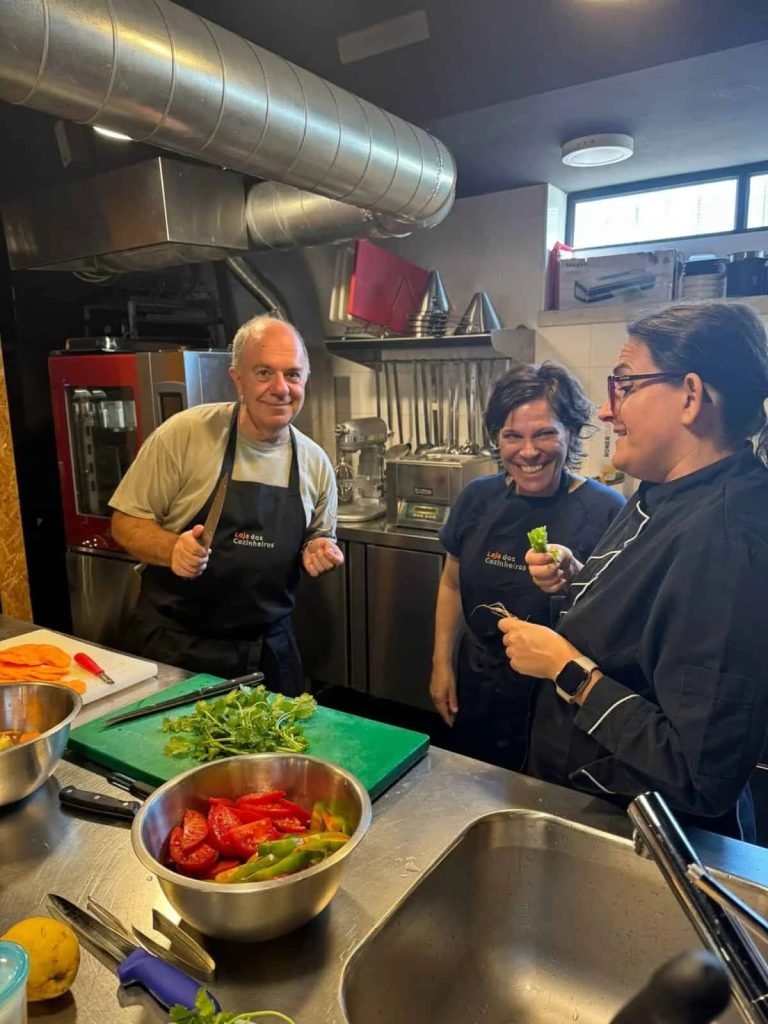
Lisbon Local Market + Cooking Class begins with guided local market visit exploring seasonal products with Chef selecting freshest ingredients while learning about menu components. Back in kitchen, hands-on cooking class explores traditional techniques and culinary secrets passed through generations preparing starter, main course, and dessert.
Each dish tributes rich Portuguese culinary heritage creating sensorial experience transporting to local culture heart. Exclusive fish and seafood class with vegetarian menu adaptation available. Dietary restrictions communicated 72 hours advance required.
Guided market tour with Chef, hands-on cooking class with traditional Portuguese recipes, and all necessary cooking equipment and ingredients included.
Why it’s perfect for expat integration: Local market shopping teaches seasonal ingredient identification and Portuguese culinary vocabulary impossible through supermarket shopping. Chef-guided selection reveals how Portuguese locals assess freshness and quality. Traditional techniques passed through generations connect you to Portuguese cooking heritage beyond restaurant dining.
The coastal heritage focus celebrates Portugal’s maritime culinary identity. Preparing complete Portuguese meal (starter, main, dessert) demonstrates proper meal structure locals practice, and market interaction plus cooking with Portuguese chefs provides natural language practice and cultural conversation.
2. Pastel de Nata Pastry Class: Master Portugal’s Iconic Dessert
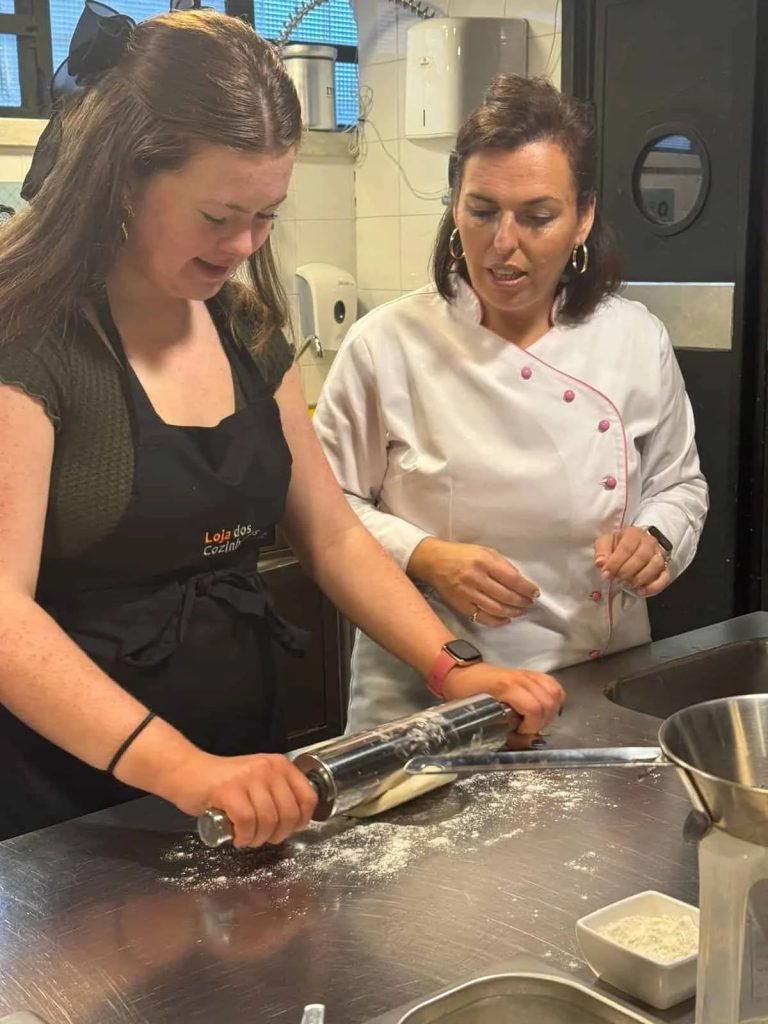
Pastel de Nata Pastry Class teaches making Portugal’s most beloved custard tart from scratch with expert chef guidance through each step from flaky pastry preparation to perfect creamy custard filling. Learn rich history and cultural significance of pasteis de nata in Portuguese cuisine with stories and facts about this iconic dessert.
Hands-on experience involves every baking stage leaving with skills recreating treats at home. Enjoy freshly baked pasteis de nata with traditional Portuguese coffee or tea tasting variations and learning serving tips.
Learn from skilled chefs step-by-step, make own pasteis de nata from scratch, and enjoy fresh tarts with traditional Portuguese coffee while learning history included.
Everything about this class as amazing. First off, the two instructors were not just amazing professional chefs, but are also kind and patient instructors. The facilities were exceptionally well equipped and clean. Lastly, and maybe most importantly, the food we made was amazing and delicious! My husband and I had such an amazing time we booked a second class for a different dish. – Nicole S. ⭐⭐⭐⭐⭐
Why it’s perfect for expat integration: Pastel de nata represents quintessential Portuguese food culture recognized globally but deeply tied to local identity. Learning authentic traditional methods connects you to Portuguese baking heritage and Jerónimos Monastery origins. The cultural insights and stories provide conversation topics for Portuguese social situations.
Tasting session with traditional Portuguese coffee mimics local café culture and social customs. Ability to recreate authentic pasteis enables sharing Portuguese culture with visiting friends and family, and the hands-on collaborative atmosphere often attracts Portuguese participants providing natural integration opportunities.
3. Botanical Sketching at Jardim Botânico: Draw Lisbon’s Historic Garden
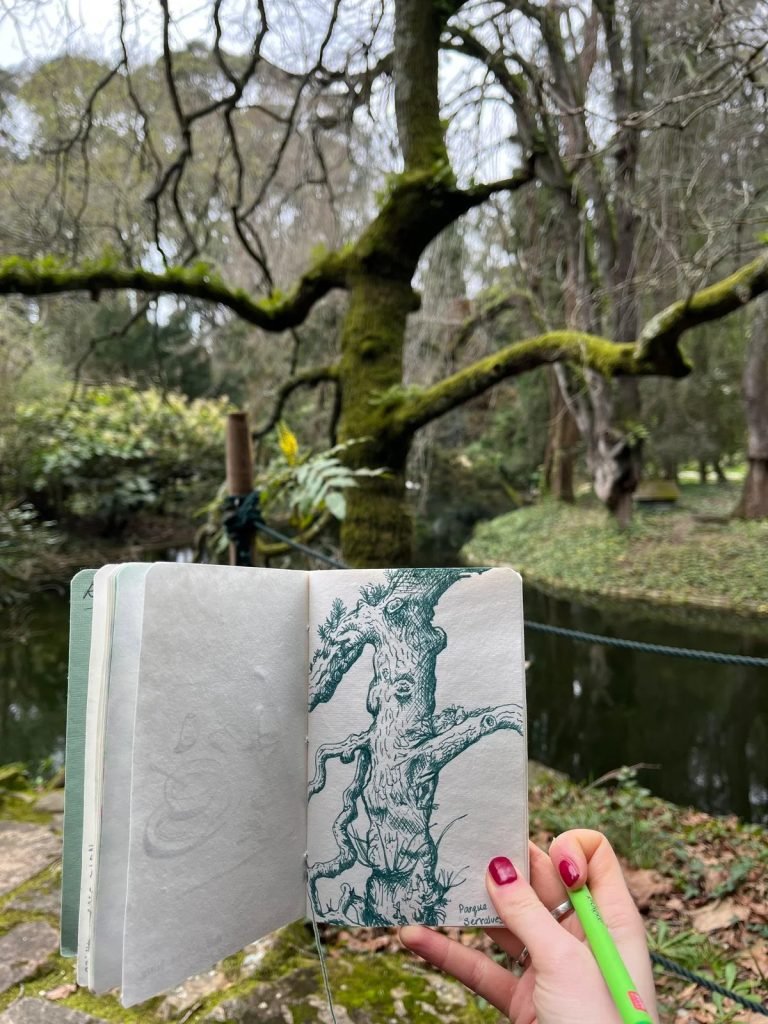
Botanical Sketching Workshop at Jardim Botânico de Lisboa offers morning drawing in one of Lisbon’s quietly beautiful spaces. The 19th-century scientific garden founded for plant species study and preservation remains hidden oasis filled with exotic and native plants, shaded pathways, and layered green landscapes providing endless observation and drawing material.
Work through session at calm immersive pace moving through one or two quiet garden areas allowing deeper focus. Introduction to botanical sketching techniques and short observation exercise connects you to environment before demonstrating sketching and watercolor approaches in loose expressive way. Individual sketching time with guidance, demonstrations, and personal feedback throughout emphasizes slowing down and careful looking.
All basic materials (professional paper, pens, watercolors, color pencils), full Anna Matos guidance, introduction to botanical sketching with demonstrations and feedback, and finished botanical sketches included. No prior drawing or watercolor experience needed.
Why it’s perfect for expat integration: Jardim Botânico represents Lisbon’s 19th-century scientific heritage and provides peaceful escape locals treasure. Learning to observe and draw natural forms develops contemplative relationship with Lisbon’s green spaces beyond tourist viewpoints. The 19th-century garden history connects you to Lisbon’s academic and botanical preservation traditions.
Slowing down and looking carefully mirrors Portuguese appreciation for taking time rather than rushing. Anna Matos’ accessible creative approach welcomes all levels removing intimidation barriers, and regular sketching practice at Jardim Botânico or other Lisbon gardens provides ongoing peaceful integration activity and neighborhood exploration motivation.
How to Choose Your Expat Integration Workshop
Match integration priority: Portuguese culinary tradition and market culture choose Local Market Cooking for food integration. Iconic Portuguese pastry and café culture select Pastel de Nata for baking heritage. Lisbon historic spaces and contemplative practice pick Botanical Sketching for city connection.
Consider time and format: Full culinary journey from market to table fits Local Market Cooking complete experience. Focused pastry technique session matches Pastel de Nata iconic skill mastery. Peaceful morning art practice suits Botanical Sketching contemplative integration.
Think about continuation: Market shopping skills and traditional cooking choose Local Market for ongoing culinary practice. Authentic pastry making select Pastel de Nata for sharing Portuguese culture. Botanical drawing pick Sketching for continued garden exploration and artistic practice.
Factor in social opportunity: Market interaction and cooking with chefs fit Local Market natural Portuguese conversation. Collaborative baking atmosphere matches Pastel de Nata shared learning. Individual focused sketching with artist guidance suits Botanical for quieter integration.
Portuguese Cultural Integration Through Making
Expat integration requires hands-on Portuguese cultural participation, not isolated expat networking. You can’t understand Portuguese traditions through language apps and international social circles when cooking heritage, iconic pastries, and historic city spaces need experiential engagement.
These Lisbon expat integration workshops provide what expat meetups cannot: learning traditional Portuguese cooking from local chefs, mastering iconic pastry techniques with cultural context, and engaging with Lisbon’s 19th-century botanical heritage through contemplative artistic practice.
Book workshops matching your integration priorities. Learn from Portuguese experts teaching culinary traditions and cultural practices. Discover how satisfying integration feels through active Portuguese cultural participation.
Your Lisbon integration doesn’t require perfect Portuguese fluency or abandoning international friendships. It requires choosing workshops teaching Portuguese cultural practices, engaging with local heritage spaces, and learning from Portuguese experts sharing traditions locals value.
Ready to integrate through Portuguese culture? Explore market cooking, iconic pastry making, and botanical sketching connecting you to Lisbon’s culinary heritage and historic spaces through hands-on cultural participation.
Frequently Asked Questions
Do expat integration workshops require Portuguese language skills? A: No Portuguese required; workshops conducted in English while teaching Portuguese cultural traditions and providing natural language exposure.
How do workshops help expats integrate into Portuguese culture? A: Hands-on participation in Portuguese cooking traditions, iconic pastry making, and engaging historic Lisbon spaces connects you to local culture beyond tourist activities.
What Portuguese cultural knowledge will I gain from integration workshops? A: Market ingredient selection, traditional cooking techniques, pastel de nata history and significance, and Lisbon’s 19th-century botanical garden heritage.
Are expat integration workshops suitable for new Lisbon residents? A: Yes, workshops designed for all levels teaching Portuguese cultural foundations through accessible hands-on participation.
Can I continue practicing Portuguese culture after workshops? A: Yes, market shopping skills, authentic pastry recipes, and botanical sketching provide ongoing cultural practice and Lisbon exploration motivation.


 uk english
  pt portuguese