
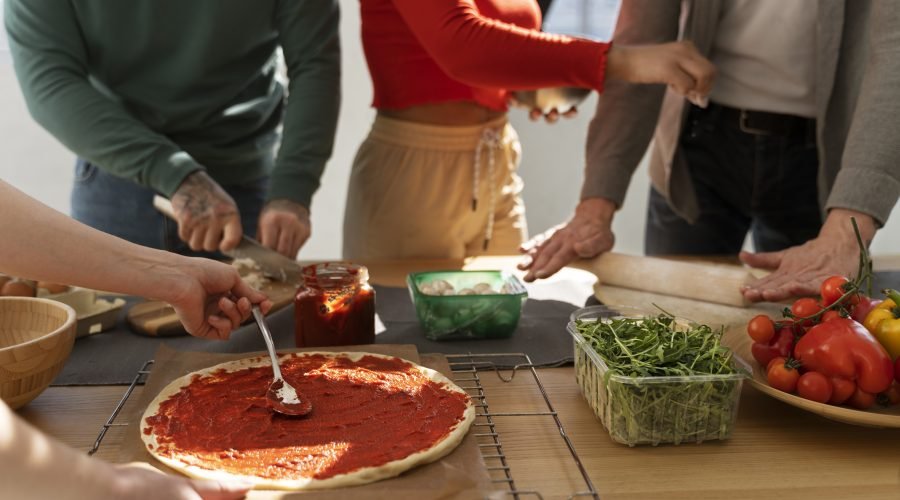
The Ultimate Guide to International Cooking Workshops in Portugal 2026
- By André
- Education & Teaching
- authentic cooking chef workshops cooking courses culinary experiences culinary tourism food classes portugal hands-on cooking learn to cook portugal
Portugal’s culinary scene extends far beyond bacalhau and pastéis de nata. The country’s growing workshop culture brings authentic international cooking education directly to your kitchen or local studios, taught by chefs who learned their craft in Mexico City, Tokyo, Bangkok, Naples, and Lisbon’s own culinary institutions.
Cooking workshops in Portugal solve the cookbook problem. Recipes on paper can’t teach you why your tortillas tear, how sushi rice should feel between your fingers, or when pizza dough has been kneaded enough. You need hands on guidance, immediate feedback, and the sensory education that only comes from working alongside experts who correct your technique in real time.
Whether you’re making handmade corn tortillas under Mexican chef guidance, mastering Portuguese custard tart techniques with Port wine, learning Thai flavor balance in your own kitchen, crafting authentic sushi from rice to rolls, or stretching Neapolitan pizza dough using centuries old methods, these workshops deliver cultural immersion through active cooking rather than passive recipe following.
This comprehensive guide covers Portugal’s best international cooking workshops across five distinct culinary traditions. Each section explores what you’ll learn, techniques you’ll master, cultural context behind the cuisine, and how to choose the right workshop for your goals. We’ve included practical booking advice, common questions, and realistic expectations for each cooking style.
Skip the cookbook collection gathering dust. Book a workshop where your hands learn what words cannot teach.
Understanding Portugal’s International Cooking Workshop Scene
Portugal’s culinary workshop landscape reflects both the country’s historical trading connections and contemporary global food culture. The same maritime history that brought spices from Asia and chocolate from the Americas now brings authentic cooking instruction from those culinary traditions to Portuguese studios and home kitchens.
International cooking workshops in Portugal fall into distinct categories based on teaching approach and cultural authenticity. Some emphasize cultural immersion with chefs from the cuisine’s origin country. Others focus on technique mastery regardless of instructor nationality. The best workshops combine both: authentic cultural knowledge with effective teaching methods adapted for Portuguese and international students.
Workshop formats vary significantly. Studio based classes provide professional equipment and communal cooking environments. Private chef workshops bring instruction directly to your home kitchen with all ingredients included. Group sessions offer social learning and shared meals. Private options deliver personalized attention and flexible curriculum.
Duration matters more than most beginners realize. Two hour introductions teach basic concepts but rarely develop genuine skill. Four to five hour sessions provide time for technique practice, mistakes, correction, and improvement. Full day workshops allow deep dives into complex preparations requiring extended cooking times.
Ingredient authenticity separates tourist oriented classes from genuine culinary education. Quality workshops source authentic ingredients even when expensive or difficult to obtain. Substitutions get explained clearly rather than passed off as equivalent. You learn both ideal traditional methods and practical adaptations for home cooking.
The workshops we’ve selected represent authentic cultural traditions taught by knowledgeable instructors using quality ingredients. Each provides enough time for genuine skill development rather than rushed demonstrations. You’ll leave with techniques you can replicate independently, not just memories of watching someone else cook.
Mexican Cooking Workshop: UNESCO Heritage Traditions
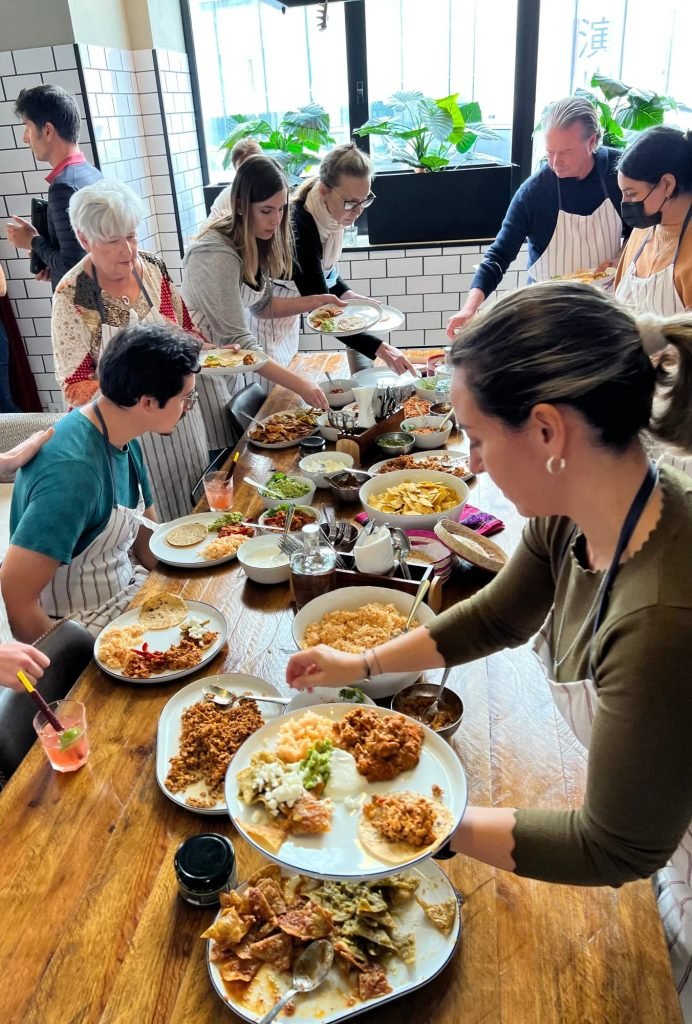
Mexican gastronomy represents one of UNESCO’s recognized Intangible Cultural Heritage traditions, with complex layered flavors, ancient indigenous ingredients, and regional diversity creating one of the world’s most sophisticated culinary systems. This Mexican cooking workshop in Portugal offers authentic culinary education under guidance of Mexican chefs who share culinary secrets, family techniques, and cultural knowledge passed down through generations.
The immersive hands on experience teaches preparation of characteristic sauces full of complexity from fresh salsas to cooked moles with dozens of ingredients. You’ll master emblematic dishes representing regional Mexican cuisine’s diversity and learn the foundational skill of making corn tortillas by hand using masa harina and traditional pressing techniques.
What You’ll Learn
Traditional sauce preparation spans fresh pico de gallo combining raw tomatoes, onions, cilantro, and chiles, roasted salsa verde with tomatillos creating tangy green sauce, and smoky chipotle variations. Potentially complex mole introductions demonstrate how multiple chiles, spices, nuts, and chocolate combine creating Mexico’s most celebrated sauce families.
Authentic taco filling techniques cover emblematic preparations. Carne asada grilled beef, al pastor marinated pork with pineapple, or rajas con crema roasted poblano strips with cream showcase proper seasoning and cooking methods. These regional specialties go far beyond generic ground beef tacos found outside Mexico.
Hands on corn tortilla making transforms masa harina into dough, pressing into thin rounds using traditional technique, cooking on comal griddles, and achieving proper texture and flavor distinguishing handmade tortillas from industrial products. This foundational skill connects you to thousands of years of Mesoamerican culinary tradition embodied in humble corn’s transformation into edible vessel.
Cultural context education teaches not just recipes but why ingredient combinations work, how pre Columbian ingredients (corn, beans, chiles, tomatoes) form Mexican cuisine’s foundation, and regional variations reflecting Mexico’s geographic and cultural diversity. You’ll understand proper eating techniques and meal composition honoring Mexican culinary traditions.
The Workshop Experience
Mexican gastronomy introduction helps you understand the sophisticated culinary system far beyond simplified Tex Mex stereotypes. The UNESCO recognition reflects complex layered flavors, ancient indigenous ingredients, and regional diversity that most people outside Mexico never encounter.
You’ll work through traditional salsa preparation, learning how multiple chiles, spices, nuts, and chocolate combine in mole families. The layered flavor building and ingredient interaction principles become clear through hands on practice rather than abstract explanation.
Corn tortilla making provides tactile understanding of proper masa consistency, pressing pressure, and comal temperature. You’ll immediately taste the difference between your handmade tortillas and industrial versions, understanding why this skill matters beyond novelty.
The communal Mexican meal celebrates one of the world’s great food traditions through active cooking participation, cultural knowledge sharing, and collective dining. Mexican chefs provide authentic instruction rooted in lived tradition rather than cookbook interpretations.
Why Choose Mexican Cooking
Authentic Mexican chef guidance ensures you’re receiving instruction from chefs sharing culinary secrets and family knowledge rather than non Mexican interpretations lacking cultural authenticity. The hands on active cooking emphasizes practical participation making sauces, preparing fillings, and forming tortillas rather than passive demonstration watching.
Complex sauce mastery goes beyond simple recipes, teaching you systematic approach to flavor building applicable to confident independent cooking. The pre Columbian ingredient foundation connects contemporary cooking to ancient Mesoamerican agriculture and culinary innovations.
Regional diversity appreciation shows how Mexico’s geographic and cultural variations create diverse regional cuisines rather than monolithic “Mexican food.” You’ll understand coastal versus highland, northern versus southern, and indigenous versus mestizo influences.
This workshop suits food enthusiasts wanting authentic Mexican cooking education beyond Tex Mex stereotypes, cultural explorers seeking hands on traditional technique learning, and anyone interested in UNESCO recognized culinary heritage traditions.
Pastéis de Nata Workshop: Portuguese Custard Tart Mastery
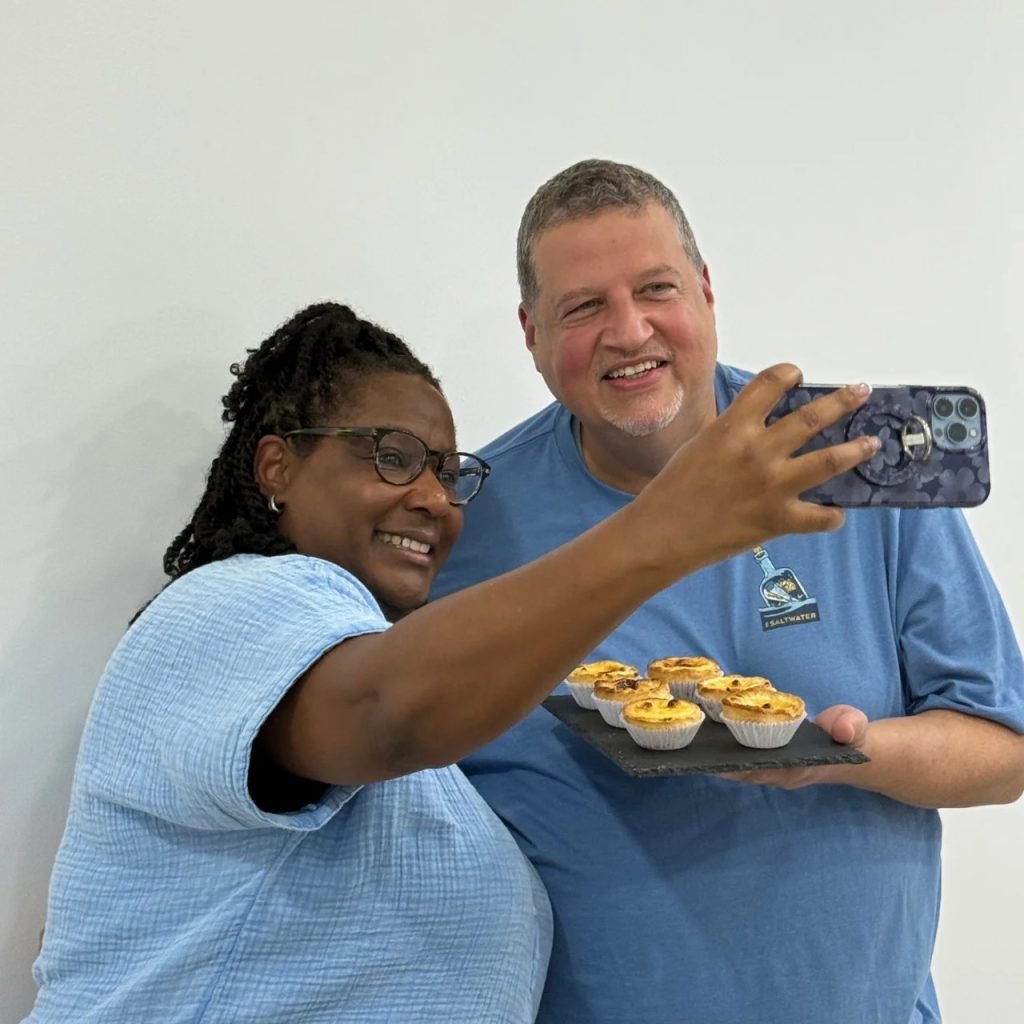
Portugal’s most iconic pastry deserves proper learning beyond cafeteria purchases. This Pastéis de Nata cooking class in Porto teaches authentic custard tart creation from scratch, guided by instructors with deep knowledge of Portuguese baking traditions, accompanied by Port wine or juice and snacks in relaxed social atmosphere.
The cozy hands on workshop focuses on preparing the custard filling and baking process. Participants take turns actively participating in the recipe, following clear step by step process under instructor guidance. The puff pastry comes pre prepared with house made recipe provided, as proper puff pastry requires several hours of preparation involving multiple turns and resting periods.
What You’ll Learn
Step by step instructions and technical guidance cover every aspect of custard preparation. You’ll master key techniques for custard consistency, proper sugar ratios, and temperature control ensuring creamy filling without scrambling eggs or creating grainy texture.
Pastry handling skills teach proper blind baking, preventing soggy bottoms, and achieving the characteristic flaky layers. While the puff pastry arrives pre prepared due to time constraints, you’ll receive the complete recipe enabling home recreation with proper advance planning.
The history of Pastel de Nata provides cultural context from origins in Lisbon monasteries to evolution into Portugal’s most famous pastry. Understanding the historical development enriches your appreciation beyond mere technical execution.
Local food tips from Porto experts extend your culinary education beyond the workshop itself. You’ll learn where locals actually buy their daily pastéis, which bakeries maintain traditional methods, and how Portuguese people incorporate these tarts into daily life versus special occasions.
The Workshop Experience
Each participant prepares several Pastéis de Nata enjoyed on site or taken away in included transport box. The hands on participation ensures genuine skill development rather than watching instructor demonstrations while occasionally stirring something.
Throughout the workshop, Port wine, juice, water, coffee, and selection of sweet and savory snacks create relaxed social atmosphere. The Domus Arte location in Porto provides space fully dedicated to handmade products, workshops, and art exhibitions, creating inspiring creative environment.
Dietary accommodations include lactose free, gluten free, and vegan options available upon request with advance notice. This accessibility ensures broader participation while maintaining authentic technique instruction adapted for different dietary needs.
The session concludes with confidence and recipes to recreate this Portuguese classic at home. You’ll understand not just what to do but why each step matters, enabling successful independent baking after the workshop.
Why Choose Pastéis de Nata Workshop
Portuguese pastry tradition runs deep, with techniques passed down through bakery families and monastery kitchens for centuries. Learning from instructors with high knowledge ensures you’re receiving authentic methods rather than simplified tourist versions.
The all ages accessibility makes this suitable for families creating together, couples seeking cultural creative experience, or solo travelers wanting meaningful Portuguese culinary connection. Children through adults can participate meaningfully with appropriate supervision and assistance.
Port wine pairing educates you about Portugal’s most famous fortified wine alongside its most famous pastry. The combination represents Portuguese culinary culture authentically rather than artificially separating elements for tourist consumption.
Take home recipes enable continued practice, transforming workshop from one time experience into lasting skill. The included transport box ensures your creations survive the journey home intact, providing immediate proof of accomplishment.
This workshop suits anyone wanting authentic Portuguese baking education, travelers seeking hands on cultural experiences beyond sightseeing, and food lovers interested in mastering iconic recipes with proper instruction.
Thai Private Chef Workshop: Authentic Flavors in Your Kitchen
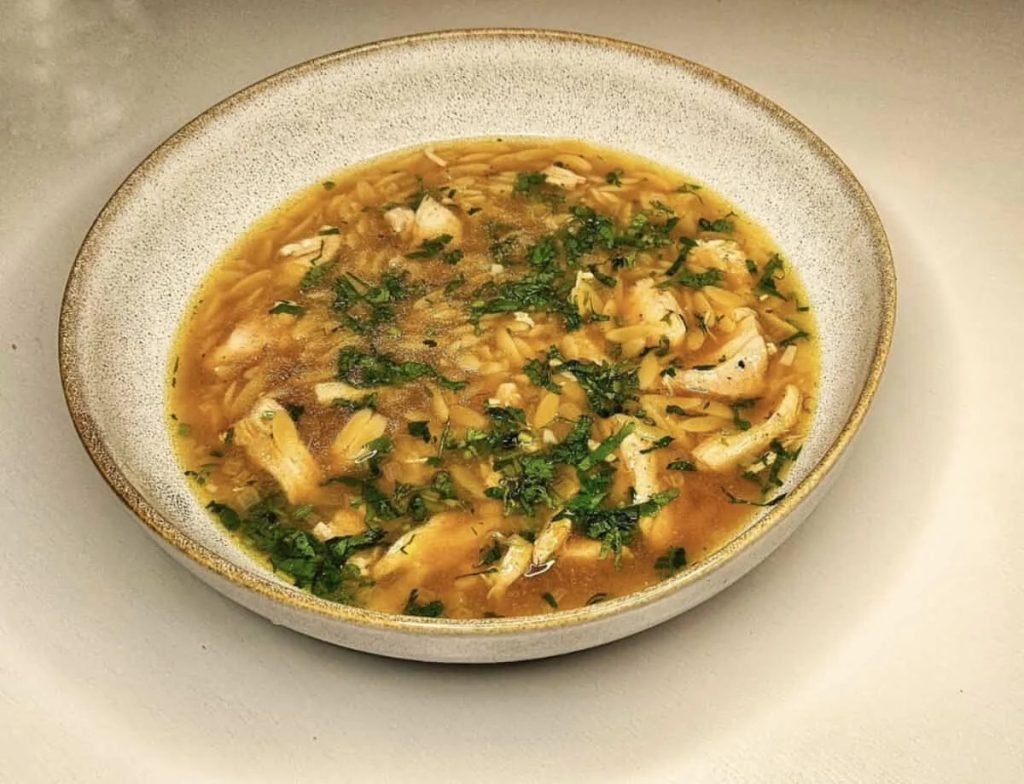
Thai cuisine’s explosive flavors and complex balance of sweet, sour, salty, and spicy require hands on guidance beyond cookbook instructions. This private chef workshop brings Thailand’s culinary traditions directly to your home, transforming your kitchen into Thai cooking studio with expert instruction, fresh ingredients, and personalized attention.
The exclusive workshop format eliminates restaurant crowds and shopping logistics. A private chef arrives with everything needed including market fresh ingredients, specialized tools, and professional knowledge. You’ll chop, sizzle, and taste your way through authentic recipes while learning techniques applicable to continued independent Thai cooking.
What You’ll Learn
Perfect balance mastery teaches the sweet sour salty spicy equilibrium making Thai food irresistible. You’ll understand how these four elements interact, when to add each component, and how to adjust balance based on ingredient variations and personal preference.
Professional Thai cooking techniques cover wok control, high heat stir frying, proper herb preparation, curry paste making, and noodle cooking methods. These fundamentals transfer across multiple Thai dishes rather than limiting you to specific recipes learned during the session.
Ingredient secrets include identifying quality fish sauce, selecting proper Thai basil versus Italian basil, understanding galangal versus ginger, and sourcing authentic ingredients locally or through online suppliers. You’ll learn both ideal traditional ingredients and acceptable substitutions when necessary.
Hands on cooking of multiple authentic Thai dishes provides practical experience across different preparation methods. From curries to stir fries, soups to salads, you’ll practice varied techniques ensuring comprehensive skill development.
The Workshop Experience
All fresh ingredients arrive with your private chef, eliminating shopping stress and ingredient hunting. The chef brings market fresh produce, proteins, herbs, and specialized ingredients difficult to source independently, ensuring authentic flavors.
Expert guidance from specialized Thai cuisine chef provides personalized attention impossible in group classes. Questions get answered immediately, techniques get corrected in real time, and curriculum adapts to your learning pace and interests.
The home kitchen setting offers practical advantages beyond convenience. You’re learning in the actual environment where you’ll cook independently, using your own equipment and adapting techniques to your specific tools and setup.
Recipes to keep enable magic recreation anytime. You’ll receive detailed instructions capturing techniques demonstrated during the session, with notes on ingredient sourcing and common mistakes to avoid.
A delicious meal enjoyed after your cooking session celebrates the fruits of your labor. Eating what you’ve created provides immediate satisfaction and confidence in your newly developed capabilities.
Why Choose Thai Private Chef Workshop
Personalized instruction delivers value impossible in group settings. The chef’s complete attention ensures maximum learning efficiency, with every question answered and every technique refined through direct observation and correction.
Home kitchen convenience eliminates travel logistics while providing practical advantage. You’re learning in your actual cooking environment rather than professional kitchen with equipment you don’t own, making skill transfer more direct.
No shopping or prep required removes barriers preventing busy people from cooking workshops. The chef handles all ingredient sourcing and preparation logistics, allowing you to focus entirely on learning.
Date night, family activity, or friend gathering flexibility makes this suitable for diverse social contexts. The private format accommodates couples seeking romantic culinary experiences, families wanting educational activities, or friend groups celebrating special occasions.
This workshop suits anyone wanting authentic Thai cooking education in convenient private setting, busy people unable to attend scheduled classes, and those preferring personalized instruction over group learning environments.
Sushi Workshop: Japanese Precision and Technique
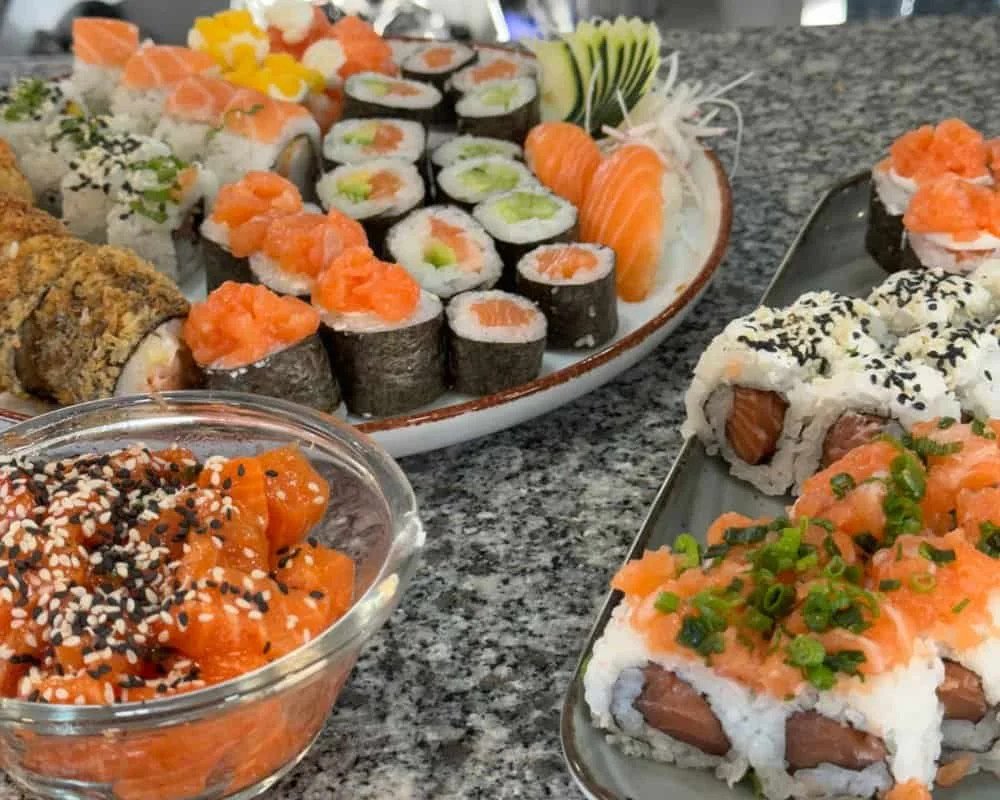
Sushi represents Japanese culinary precision requiring proper instruction beyond YouTube tutorials. This beginner workshop dives into Japanese cuisine through comprehensive four hour session exploring sushi history, Japanese rice fundamentals, and essential tools needed to prepare complete delicious sushi meals.
The hands on experience balances practical skill development with theoretical understanding. You’ll learn authentic sushi making from perfecting rice and sauces to crafting delicious rolls, guided by instructors who understand both traditional Japanese methods and effective teaching for Portuguese and international students.
What You’ll Learn
Preparing Shari (Japanese rice) represents sushi’s foundation. You’ll master proper rice washing, water ratios, cooking methods, and vinegar seasoning creating the sticky yet separate grain texture essential for sushi construction.
Making Su sauce and Teriyaki sauce teaches fundamental Japanese flavor building. These sauces appear across multiple Japanese dishes, making the skills transferable beyond sushi specific applications.
Cutting vegetables and fruits with proper Japanese knife technique ensures uniform pieces contributing to visual presentation and consistent eating experience. You’ll learn the cuts specific to sushi rather than generic vegetable preparation.
Preparing fish through cleaning and cutting demonstrates proper handling of raw seafood. Safety, freshness assessment, and cutting techniques ensure both food safety and optimal texture in finished sushi.
Making sushi covers Uramaki (inside out rolls), Sakemaki (salmon rolls), Hot Rolls, Temaki (hand rolls), and more. The variety ensures comprehensive technique development across different sushi styles rather than mastering single type.
“Fabulous workshop and excellent trainers.” – Hortense C. ⭐⭐⭐⭐⭐
The Workshop Experience
Sushi history exploration provides cultural context enriching your technical practice. Understanding how sushi evolved from preservation method to refined cuisine adds depth beyond mere technique execution.
The importance of sushi rice gets emphasized throughout the workshop. Instructors ensure you understand that perfect rice separates amateur from professional sushi, with technique practice ensuring confident independent rice preparation.
Essential sushi tools introduction covers bamboo mats, sharp knives, rice paddles, and specialized equipment. You’ll learn what’s truly necessary versus nice to have, enabling smart equipment purchases for home sushi making.
All necessary ingredients and tools provided eliminate preparation barriers. You focus entirely on learning rather than worrying about whether you brought the right supplies or purchased appropriate ingredients.
A delicious sushi meal enjoyed at workshop end celebrates your creations. Eating what you’ve made provides both satisfaction and quality assessment, helping you understand what to aim for in future independent practice.
Why Choose Sushi Workshop
Four hour duration provides genuine skill development time beyond rushed introductions. Sushi requires precision and practice; adequate time ensures you’re actually learning rather than just sampling the experience.
Beginner friendly approach with expert guidance welcomes those intimidated by sushi’s reputation for difficulty. The workshop breaks down complex techniques into manageable steps, building confidence through progressive skill development.
Comprehensive coverage from rice to rolls ensures you’re learning complete sushi making rather than isolated techniques. The systematic approach produces students capable of independent sushi preparation after the workshop.
Japanese cuisine lover community provides social learning environment. Sharing this experience with fellow enthusiasts creates supportive atmosphere where questions feel welcome and mutual encouragement enhances learning.
This workshop suits Japanese cuisine lovers, anyone eager to learn authentic sushi making, home cooks wanting to expand repertoire beyond Western cuisines, and those seeking impressive entertaining skills.
Pizza Dough Workshop: Neapolitan Tradition and Home Adaptation
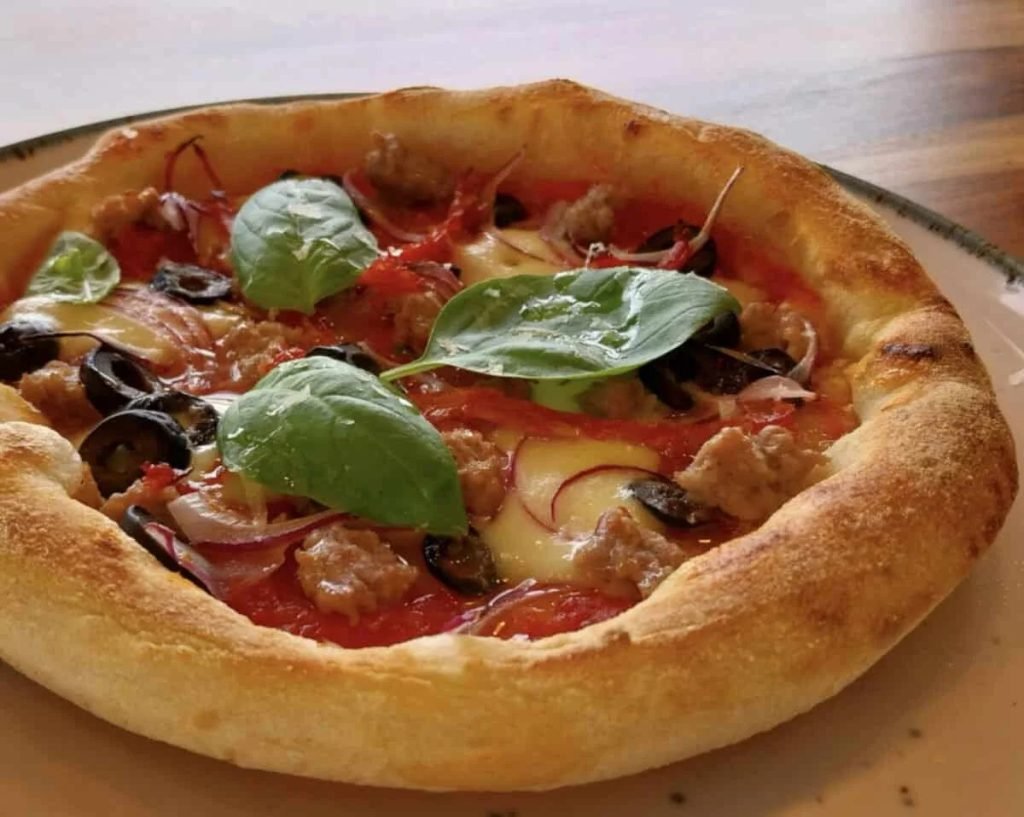
Authentic Neapolitan pizza requires understanding dough as living material responding to temperature, time, and handling. This pizza dough masterclass teaches secrets behind perfectly digestible authentic pizza while discovering how small details make the difference between good and extraordinary results.
The hands on workshop transforms your understanding of pizza from delivery convenience to craft worthy of serious attention. You’ll learn professional stretching and shaping methods, topping combinations balancing flavor and texture, and adaptation of professional methods for exceptional results in home ovens.
What You’ll Learn
Authentic Neapolitan pizza dough techniques start with ingredient selection. Proper flour type, water temperature, yeast activation, salt timing, and fermentation periods all contribute to final crust character. You’ll understand how each variable affects digestibility, flavor development, and texture.
Professional stretching and shaping methods teach hand positioning, gravity utilization, and gentle handling preserving air bubbles. You’ll learn to stretch dough without rolling pins, maintaining the irregular rim thickness and airy interior characteristic of Neapolitan pizza.
Topping combinations that balance flavor and texture ensure your pizza tastes as good as it looks. Too many toppings create soggy centers; too few leave bland results. You’ll learn traditional combinations and principles enabling creative variation.
Adapting professional methods for home ovens addresses the reality that most people lack 900°F wood fired ovens. Techniques for maximizing home oven performance, using pizza stones or steels effectively, and timing ensure restaurant quality results with standard equipment.
The Workshop Experience
Three different dough creations provide varied practice. Garlic and aromatic herb bread serves as perfect appetizer, teaching basic dough handling in forgiving application. Pizza with multiple bases and topping combinations allows experimentation with your new skills. Nutella roll with walnuts proves pizza dough’s versatility as dessert sensation.
All ingredients for complete meal from appetizer through dessert ensure you’re eating well while learning. The progression from bread to pizza to dessert maintains engagement while building skills progressively.
Expert guidance through every step of pizza making process provides real time correction and encouragement. You’ll learn not just what to do but how to recognize when dough feels right, when stretching should stop, and when pizza is perfectly baked.
Tips for achieving restaurant quality results with home equipment make the learning immediately applicable. You won’t need to purchase professional ovens or exotic equipment to produce excellent pizza after this workshop.
Techniques for family pizza nights or impressive entertaining transform pizza from occasional delivery to regular home cooked meal. The skills learned enable both casual weeknight dinners and sophisticated dinner party centerpieces.
Why Choose Pizza Dough Workshop
Authentic cuisine category focus emphasizes traditional methods and respect for Italian culinary heritage. You’re learning real Neapolitan techniques rather than American style pizza or fusion interpretations.
Parent child memorable cooking experiences make this ideal for families wanting educational quality time. Children old enough to handle dough can participate meaningfully while learning valuable cooking skills.
Home entertainment enthusiast appeal suits those who regularly host dinners and want impressive new repertoire additions. Homemade pizza from scratch demonstrates both skill and hospitality.
The difference between ordinary and extraordinary pizza becomes clear through direct experience. You’ll taste how proper dough fermentation, gentle handling, and appropriate topping choices elevate pizza from sustenance to genuine culinary achievement.
This workshop suits anyone appreciating traditional Italian culinary heritage, home cooks wanting impressive versatile skills, parents creating cooking experiences with children, and pizza lovers ready to take their appreciation to creation level.
How to Choose Your International Cooking Workshop
Matching workshop to your goals ensures satisfying experience rather than mismatched expectations. Different cuisines and formats suit different learning objectives, time availability, and culinary interests.
Consider Your Culinary Interests
Cultural immersion seekers should choose Mexican or Thai workshops emphasizing traditional knowledge and authentic techniques from origin country chefs. The cultural education extends beyond recipes into understanding why cuisines developed as they did.
Technique mastery focus suits sushi and pizza workshops where precision and proper method produce dramatically different results than casual approaches. These workshops develop specific skills applicable across multiple dishes within the cuisine.
Portuguese cultural connection obviously points toward Pastéis de Nata workshop for those wanting authentic local culinary traditions. This provides both skill development and cultural understanding specific to Portugal.
Entertaining skill development works well with pizza, Thai, or Mexican workshops teaching crowd pleasing dishes impressive to guests. You’ll learn recipes suitable for dinner parties and family gatherings.
Factor in Time Commitment
Two to three hour workshops like Pastéis de Nata provide focused skill development in specific recipes without overwhelming time commitment. These suit busy schedules or those wanting to sample workshop learning before longer commitments.
Four to five hour sessions including sushi and pizza allow deeper technique practice with time for mistakes, correction, and improvement. The extended duration produces genuine skill development rather than surface introduction.
Private chef workshops offer scheduling flexibility impossible with fixed time classes. The personalized timing suits those with unpredictable schedules or specific date requirements.
Think About Learning Environment Preferences
Group workshops provide social learning, shared meals, and community atmosphere. The collective experience often enhances enjoyment while providing diverse perspectives and mutual encouragement.
Private instruction delivers personalized attention, flexible curriculum, and faster skill development through focused guidance. The one on one format suits serious learners wanting maximum efficiency.
Home kitchen workshops like Thai private chef eliminate travel while teaching in your actual cooking environment. The practical advantage ensures direct skill transfer without equipment translation.
Studio settings offer professional equipment and dedicated learning spaces. The specialized environment removes home distractions while providing tools you might not own.
Consider Ongoing Practice Plans
Ingredients availability affects sustainable skill development. Mexican and Thai cooking require some specialized ingredients while pizza and Portuguese baking use more commonly available components.
Equipment investment varies significantly. Sushi requires minimal specialized tools while pizza benefits from stones or steels. Consider what you’re willing to purchase for continued practice.
Dietary accommodations matter for some cuisines. Pastéis de Nata offers extensive alternatives while traditional sushi depends heavily on raw fish limiting vegan or vegetarian adaptations.
Cultural authenticity importance determines whether origin country chef instruction matters to you. Some people prioritize authentic cultural transmission while others focus purely on technique regardless of instructor background.
Practical Booking and Preparation Advice
Successful workshop experiences begin before you arrive. Proper preparation, realistic expectations, and practical planning ensure maximum value from your culinary education investment.
Booking Considerations
Advance reservation proves essential for popular workshops with limited spots. Book several weeks ahead for weekend sessions or during tourist high season in Portugal.
Dietary restrictions require advance communication. While many workshops accommodate alternatives, proper notice enables ingredient sourcing and recipe adaptation maintaining quality.
Private workshop options exist for most cuisines when group schedules don’t work or you want personalized curriculum. Ask about private versions if standard scheduling doesn’t fit your needs.
Cancellation policies vary by workshop. Understand refund terms, rescheduling options, and notice requirements before booking to avoid losing payments to unavoidable conflicts.
What to Bring
Comfortable clothing suitable for kitchen work allows free movement and won’t be ruined by inevitable spills. Avoid loose sleeves around flames and restrictive clothing limiting reach or bending.
Hair ties prevent hair falling into food and improve comfort during active cooking. Long hair should be secured both for hygiene and practical safety around heat and equipment.
Note taking materials help capture details beyond provided recipes. Techniques, tips, and cultural context often exceed written materials; personal notes preserve these insights.
Appetite and openness enhance workshop enjoyment. Come hungry enough to appreciate tasting while maintaining openness to unfamiliar flavors and techniques different from your current cooking habits.
Managing Expectations
Skill development requires time beyond single sessions. Workshops provide foundations requiring home practice for mastery. Expect competence after workshops but expertise through continued independent cooking.
Perfect results on first attempts are unrealistic. Professional chefs spent years developing skills you’re learning in hours. Celebrate success while accepting that home reproduction might require several attempts before matching workshop quality.
Cultural authenticity varies by cuisine and instructor. Some workshops emphasize traditional methods while others adapt for Portuguese students or modern preferences. Clarify authenticity priorities when booking if this matters significantly.
Recipe adaptation for home cooking proves necessary for most cuisines. Professional kitchens and workshop settings provide equipment and ingredient access you might lack at home. Workshops should teach both ideal methods and practical alternatives.
Frequently Asked Questions About Cooking Workshops in Portugal
What are the best cooking classes in Portugal?
The best cooking classes in Portugal include Mexican cooking workshops teaching UNESCO recognized culinary heritage, Portuguese Pastéis de Nata classes mastering iconic custard tarts, Thai private chef workshops bringing authentic flavors to your home, Japanese sushi making courses, and Italian Neapolitan pizza dough masterclasses. Each offers hands on instruction with expert chefs and authentic techniques.
How much do cooking workshops in Portugal cost?
Cooking workshop prices in Portugal typically range from €45 to €120 per person depending on duration, cuisine complexity, and format. Group classes cost less than private instruction. Workshops including premium ingredients like fresh sushi grade fish or providing take home items like Pastéis de Nata cost more than basic classes.
Do I need cooking experience for workshops in Portugal?
No previous cooking experience is required for most workshops in Portugal. Classes are designed for complete beginners with step by step instruction. Mexican cooking, Pastéis de Nata baking, Thai cuisine, sushi making, and pizza dough workshops all welcome participants with zero culinary background and provide expert guidance throughout.
Where can I take cooking classes in Lisbon?
Lisbon offers cooking classes at dedicated culinary studios, cultural centers, and through private chef services. Mexican cooking workshops, sushi classes, and pizza dough masterclasses operate in Lisbon studios. Thai cooking workshops come directly to your home kitchen with private chefs bringing all ingredients and equipment.
Can I learn to make Pastéis de Nata in Portugal?
Yes, dedicated Pastéis de Nata workshops in Portugal teach authentic Portuguese custard tart preparation. The Porto workshop includes Port wine, all ingredients, expert instruction on custard and pastry techniques, Portuguese baking history, and take home recipes. You’ll prepare several tarts enjoying some on site and taking others home in provided boxes.
Are there cooking classes in English in Portugal?
Many cooking workshops in Portugal operate in English or offer bilingual instruction. Mexican cooking classes, sushi workshops, Thai private chef sessions, and pizza masterclasses typically accommodate English speakers. Confirm language options when booking if Portuguese proficiency is limited, especially in tourist friendly areas like Lisbon and Porto.
How long are cooking classes in Portugal?
Cooking class duration in Portugal ranges from 2 hours for focused workshops like Pastéis de Nata to 4 or 5 hours for comprehensive cuisine explorations like sushi making or Mexican cooking. Private chef workshops offer flexible timing. Duration reflects cuisine complexity and number of dishes prepared during the session.
Can children attend cooking workshops in Portugal?
Many Portugal cooking workshops welcome children with age appropriate participation. Pastéis de Nata classes explicitly accommodate all ages from kids to adults. Pizza dough workshops suit parent child experiences. Knife intensive classes like sushi may set minimum age requirements. Confirm age policies before booking family cooking experiences.
Do Portuguese cooking classes provide recipes?
Yes, all cooking workshops in Portugal provide recipes for home recreation. Format varies from printed recipe cards to digital PDFs sent after class. Recipes include ingredient lists, step by step instructions, and often ingredient sourcing guidance for specialized items needed for Mexican, Thai, or Japanese cooking.
Are there private cooking classes in Portugal?
Private cooking classes in Portugal offer personalized instruction and flexible scheduling. Thai cuisine workshops bring private chefs directly to your home with all ingredients included. Many studios offer private versions of group classes for individuals, couples, or small groups wanting customized curriculum and one on one attention.
Making the Most of Your Workshop Experience
Maximum learning requires active participation beyond passive observation. These strategies ensure you extract full value from your international cooking workshop investment.
During the Workshop
Ask questions immediately when confused rather than waiting until later. Clarifying technique details in the moment prevents practicing incorrect methods and ensures understanding before moving forward.
Take notes beyond provided recipes. Instructor tips, cultural context, and technique details often exceed written materials. Jot down observations about texture, timing cues, and subtle guidance that recipes can’t fully capture.
Taste everything offered including unfamiliar ingredients or preparations outside your comfort zone. Expanding your palate enhances cooking ability by developing flavor recognition and combination understanding.
Make mistakes actively rather than playing it safe. Workshops provide supervised environments perfect for experimentation and failure without wasting your own money on ruined ingredients.
Engage with fellow participants about their food interests and experiences. The social learning environment provides networking opportunities and potential cooking partners for future practice.
After the Workshop
Practice immediately within days while techniques remain fresh. Waiting weeks allows details to fade and confidence to diminish. Strike while muscle memory and enthusiasm are strongest.
Document your results photographing dishes and noting what worked versus what needs adjustment. This self assessment accelerates improvement by identifying specific areas requiring focus.
Source quality ingredients prioritizing authenticity where possible while accepting practical substitutions when necessary. Many workshops provide sourcing guidance for specialized ingredients available locally or online.
Join online communities related to the cuisine for continued learning and troubleshooting. Facebook groups, Reddit communities, and specialized forums provide ongoing support beyond workshop instruction.
Consider advanced workshops or private lessons after mastering basics. Progressive learning through multiple workshops builds expertise impossible in single sessions.
Hands-on learning: From Workshop to Kitchen Mastery
International cooking workshops in Portugal provide more than tourist entertainment. They deliver genuine culinary education, cultural immersion, and practical skills transforming how you cook and eat. The investment in workshop experience pays returns every time you successfully recreate techniques at home.
Mexican cooking connects you to UNESCO recognized heritage while teaching complex flavor building. Portuguese Pastéis de Nata mastery provides impressive baking skills and cultural appreciation. Thai cuisine education brings balanced explosive flavors to your home kitchen. Japanese sushi workshops develop precision and technique. Italian pizza classes prove that extraordinary results come from proper fundamentals.
Each cuisine offers distinct learning experiences. Some emphasize cultural transmission from origin country chefs. Others focus on technique mastery producing dramatic quality improvements. All provide hands on practice impossible through cookbook study alone.
The best workshop matches your interests, time availability, and learning style. Cultural immersion seekers choose cuisines taught by chefs from tradition’s origin. Technique focused learners prefer workshops emphasizing precise method over cultural storytelling. Social learners thrive in group settings while private instruction suits those wanting personalized attention.
Success requires practice beyond workshops. Single sessions provide foundations requiring home reinforcement. The recipes, techniques, and cultural knowledge become yours through repeated application, mistakes, correction, and gradual improvement.
Portugal’s international cooking workshop scene offers world class culinary education without leaving the country. Whether you’re a resident wanting new skills, an expat exploring Portuguese culinary culture, or a traveler seeking authentic experiences beyond sightseeing, these workshops deliver genuine value.
Book the workshop matching your culinary interests. Arrive hungry and curious. Engage actively. Practice diligently afterward. Your cooking will never be the same.
Ready to transform your culinary capabilities? Explore Portugal’s international cooking workshops and discover why hands on instruction surpasses any cookbook collection.

 uk english
  pt portuguese