
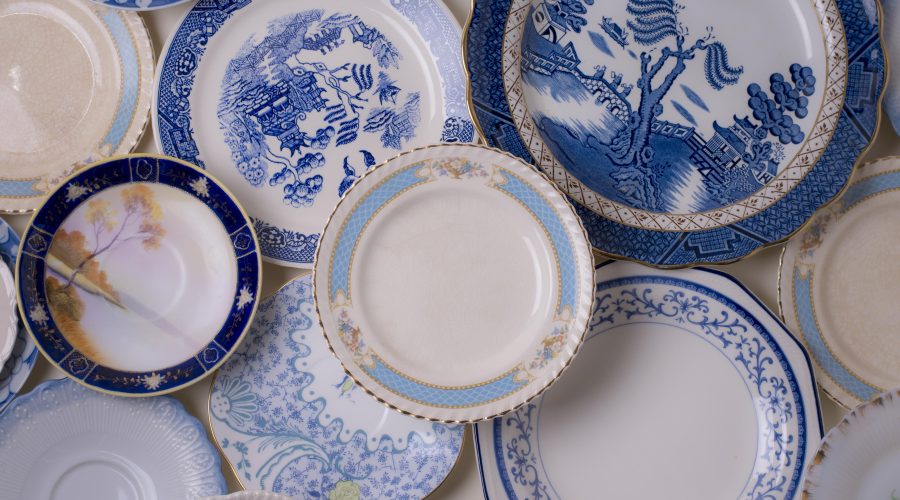
Pottery and Ceramics Workshops in Portugal: A Complete Beginners Guide
- By André
- Education & Teaching
- beginners guide ceramics lisbon ceramics porto ceramics portugal clay classes pottery class Pottery Workshops
Key Takeaways
✅ Pottery classes in Portugal suit complete beginners with no prior experience needed
✅ Lisbon and Porto offer distinct ceramics workshop styles fitting different creative preferences
✅ Sessions typically last 2 to 3 hours with fired pieces ready for collection in 2 weeks
✅ Pottery workshops work equally well as gifts, date ideas, and solo creative activities
Most people book their first pottery class believing they need artistic talent to enjoy it. They postpone booking because wheel throwing looks technical on social media, hand building feels childish, and ceramic studios feel intimidating from the outside. Both assumptions are wrong. Portugal’s ceramics workshops consistently welcome complete beginners and produce genuinely satisfying results from the very first session regardless of artistic background or previous experience.
The second misunderstanding concerns what pottery actually teaches. A ceramics workshop in Lisbon or Porto gives you more than a finished piece to take home. It gives you two to three hours of complete screen-free absorption, a direct tactile relationship with natural material, and proof that your hands can make something from nothing. The finished ceramic comes second. The experience of making it comes first.
Quick Overview
This guide covers everything you need to know before booking your first pottery or ceramics workshop in Portugal, from understanding the difference between wheel throwing and hand building to choosing between Lisbon and Porto, knowing what to wear, understanding firing timelines, and deciding whether pottery works better as a gift or a date. Two workshops illustrate the range available across both cities.
What a First Pottery Class Actually Involves
Most beginners arrive expecting wheel throwing because that image dominates every pottery reference in popular culture. The reality of most beginner sessions differs significantly.
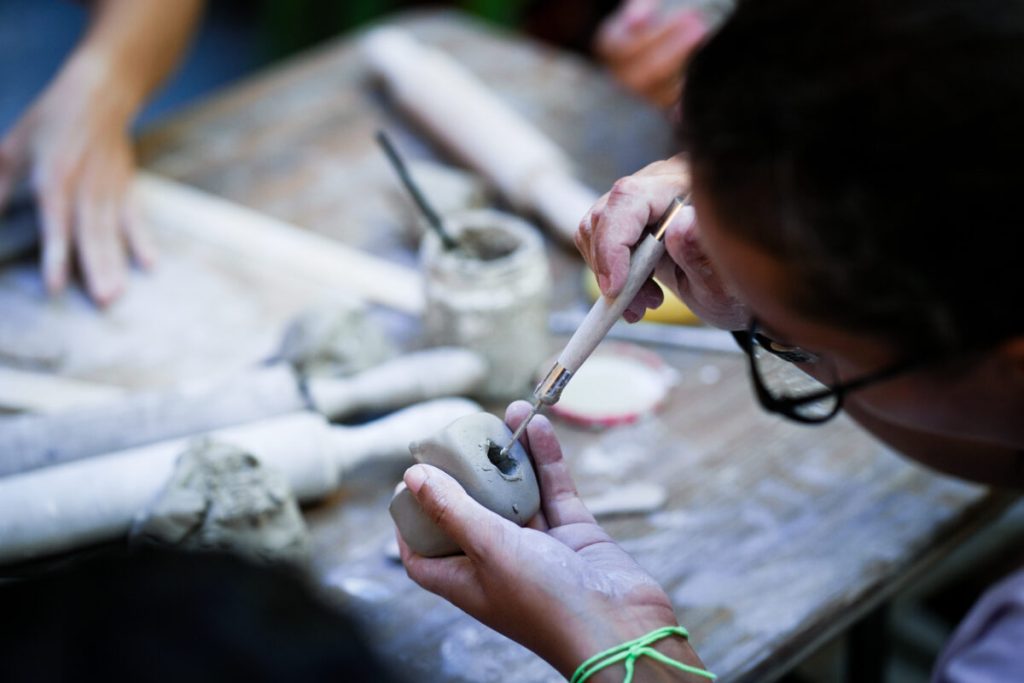
Hand building forms the foundation of most introductory workshops. Techniques include pinching (shaping clay directly with fingers), slab building (rolling flat sheets and constructing forms), and coil building (stacking rolled clay ropes to build height and volume). Hand building suits complete beginners because it develops gradually, requires no mechanical skill, and produces genuinely functional results from the first session.
Wheel throwing requires more technical coordination, balancing clay centring with hand pressure and foot pedal control simultaneously. Most studios introduce wheel work after participants develop basic clay confidence through hand building. Some studios offer wheel sessions to complete beginners with instructor support, but expect a steeper learning curve and more variation in results.
Ceramic painting offers a third entry point for people wanting creative engagement with ceramics without the clay-shaping process. Studios like Domus Arte in Porto provide pre-made bisque pieces to paint with glazes, firing them professionally afterward. This suits families with young children, people with limited time, and anyone prioritising decorative design over sculptural making.
Most beginner sessions run between 2 and 3 hours. That timeframe suits hand building and ceramic painting comfortably. Wheel sessions sometimes run longer as students need more time finding their rhythm with the clay.
Lisbon vs Porto: Where to Take a Ceramics Workshop
Both cities offer strong ceramics workshop scenes with distinct atmospheres and approaches.
In Lisbon, Amora Estúdio in Penha de França represents the community-focused ceramics experience. Ceramists Amanda and Niall run guided and free-form sessions where participants decide what and how to create, with expert support, suggested themes, and exercises available throughout. The atmosphere prioritises connection and wellbeing alongside ceramics skill, making it equally welcoming to first-timers and developing practitioners. Glazing comes included in workshop packages with individual glazing available at 5 euros per piece. Fired pieces collect in approximately two weeks.
In Porto, Domus Arte in the city centre offers ceramic painting in a concept store and gallery celebrating Portuguese craft culture. The session suits spontaneous visitors and families wanting creative engagement without clay commitment. For 13 euros entrance covering all painting materials, participants choose ceramic pieces ranging from mini bowls to large trays and decorative items, paint at their own pace with complete creative freedom, and collect professionally fired pieces within two weeks.
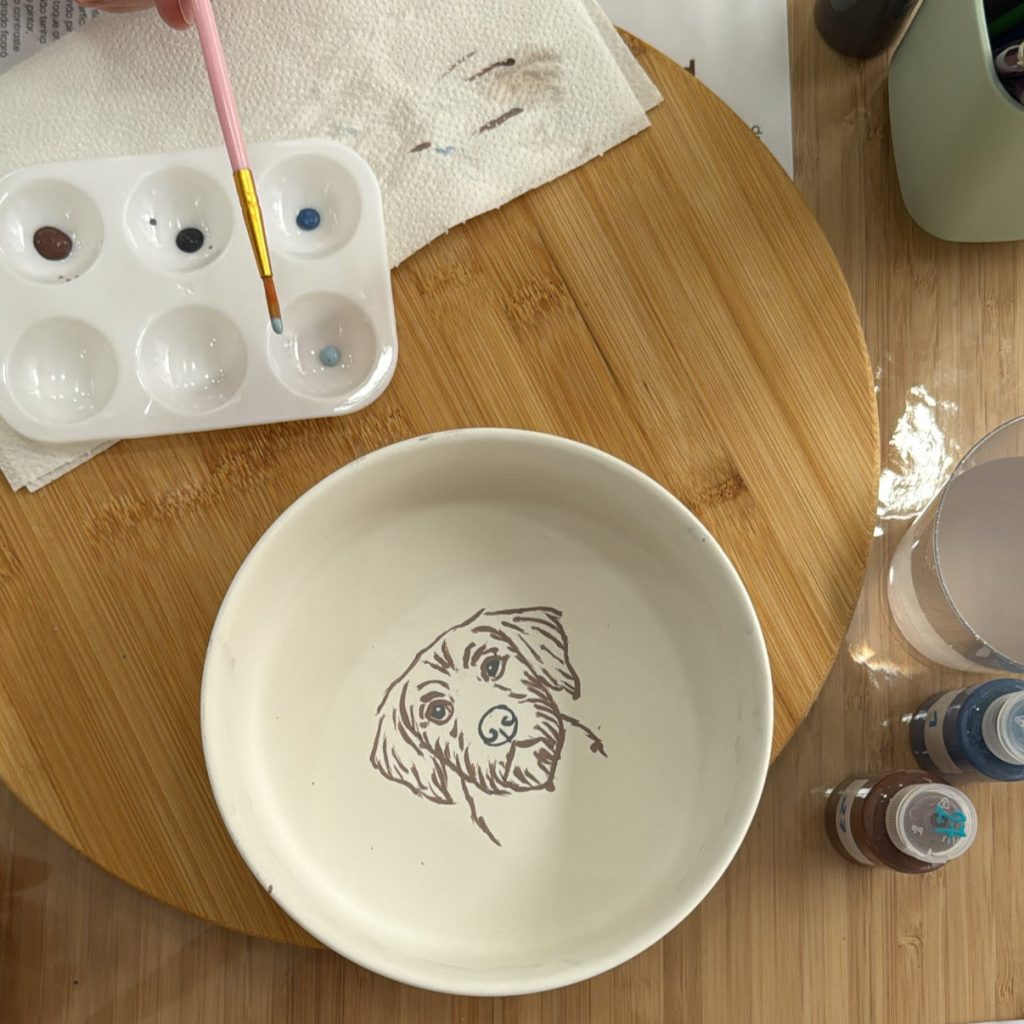
The core difference comes down to process. Lisbon’s clay-based workshops involve shaping material from scratch, building forms and developing tactile skill. Porto’s ceramic painting experience focuses on surface decoration and design, using pre-made forms as canvas. Both produce genuinely personal finished pieces. Your preference for making form versus decorating surface determines which suits you better.
What to Wear and How Long a Session Takes
Clay workshops get messy. Wear clothes you genuinely do not mind covering in clay dust and wet clay marks. Most studios provide aprons but clay migrates unpredictably onto sleeves, legs, and shoes. Avoid wearing anything precious.
Remove rings and bracelets before starting. Clay compresses around jewelry uncomfortably and pulls at skin during throwing and hand building. Keep nails reasonably short for hand building sessions as long nails press marks into clay unintentionally.
Most sessions run 2 to 3 hours. Arrive punctually because clay work benefits from the full session time. Ceramic painting sessions at walk-in studios like Domus Arte allow more flexible timing without fixed start times.
Firing adds time between session and collection. Most Portuguese ceramics studios fire pieces within 2 weeks of the workshop. Some studios glaze and fire in a single round while others fire twice (bisque firing then glaze firing) adding additional time. Always confirm the collection timeline when booking, particularly if you plan to take pieces home as travel souvenirs.
What You Make and Take Home
Hand building sessions typically produce one to three pieces depending on session length and pace. Common beginner pieces include small bowls, cups, pinch pots, and decorative objects. Amora Estúdio’s free-form approach lets participants decide what to make, meaning finished pieces reflect genuine personal creative choices rather than predetermined templates.
Ceramic painting sessions like Domus Arte produce one decorated piece per session, professionally fired and packaged for collection. The range of available pieces spans functional kitchenware (bowls, cups, jugs, butter dishes, olive oil cruets) to decorative items (heart bowls, animal bowls, money boxes) in multiple sizes.
Glazing transforms raw clay into finished ceramic. Most studios handle glazing and firing as part of the workshop price. Amora Estúdio includes glazing in package pricing with individual piece glazing available separately. Domus Arte handles all firing professionally after painting completion.
Pieces fire at high temperatures (typically 1000 to 1280 degrees Celsius depending on clay type) producing durable functional ceramics safe for everyday use. Collection usually happens 2 weeks after the workshop session.
Pottery as a Gift and as a Date Idea
As a gift, pottery workshops suit people who already have everything and value experiences over objects. A ceramics voucher works for birthdays, anniversaries, Mother’s Day, Valentine’s Day, and corporate gifting. The recipient chooses their own session timing, making it flexible across Porto and Lisbon locations. The finished ceramic piece provides a second tangible gift arriving two weeks after the session.
As a date, pottery workshops outperform restaurant bookings for one specific reason: they create genuine shared focus and natural conversation without the pressure of maintaining continuous dialogue across a dinner table. Working with clay side by side produces laughter, creative collaboration, and genuine shared experience. The finished pieces become lasting reminders of the date rather than a restaurant receipt.
Both contexts suit Amora Estúdio’s community atmosphere in Lisbon and Domus Arte’s relaxed creative environment in Porto.
How to Choose the Right Pottery Workshop for You
Choose hand building (Amora Estúdio, Lisbon) if you want to shape clay from scratch, develop tactile skill across multiple techniques, and work in a community creative atmosphere with expert guidance adapting to your direction.
Choose ceramic painting (Domus Arte, Porto) if you prefer decorating pre-made forms, want complete creative freedom without clay-shaping, need flexible drop-in timing, or want a family-friendly creative activity with immediate results.
Choose Lisbon for community-focused ceramics with ongoing session availability and glazed functional pieces. Choose Porto for spontaneous city-centre creative breaks with diverse piece selection and accessible entry pricing.
Both cities reward first-time visitors with genuinely welcoming studios producing results worth taking home.
Frequently Asked Questions
What is the difference between pottery and ceramics?
Pottery refers specifically to functional clay objects (bowls, cups, vessels) while ceramics covers the broader category including decorative objects, tiles, and sculptural pieces. In workshop contexts the terms are often used interchangeably.
How long does it take to collect finished pieces from a Portuguese ceramics studio?
Most studios in Lisbon and Porto fire pieces within two weeks of the workshop session. Always confirm collection timelines when booking, particularly when planning to take pieces home as travel souvenirs.
Can children attend pottery workshops in Portugal?
Yes, ceramic painting sessions like Domus Arte in Porto welcome families with children of all ages. Clay-based hand building workshops typically set minimum age requirements of 8 to 12 years depending on the studio.
Do I need to book a pottery class in advance in Lisbon or Porto?
Amora Estúdio in Lisbon requires advance booking as session numbers stay small for personalised attention. Domus Arte in Porto operates as a walk-in experience with more flexible timing.
What is the average cost of a pottery workshop in Portugal?
Ceramic painting sessions start from 13 euros plus the cost of your chosen piece (13 to 50 euros) at studios like Domus Arte. Hand building workshops at studios like Amora Estúdio typically range from 35 to 60 euros per session including clay, tools, and firing.


 uk english
  pt portuguese