Experience culinary time travel to Portugal’s medieval period in this authentic medieval Portuguese cuisine workshop. Learn to prepare three genuinely documented dishes from 13th-15th century Portugal using only ingredients that existed before 1498, revealing Portuguese society through its most intimate material culture.
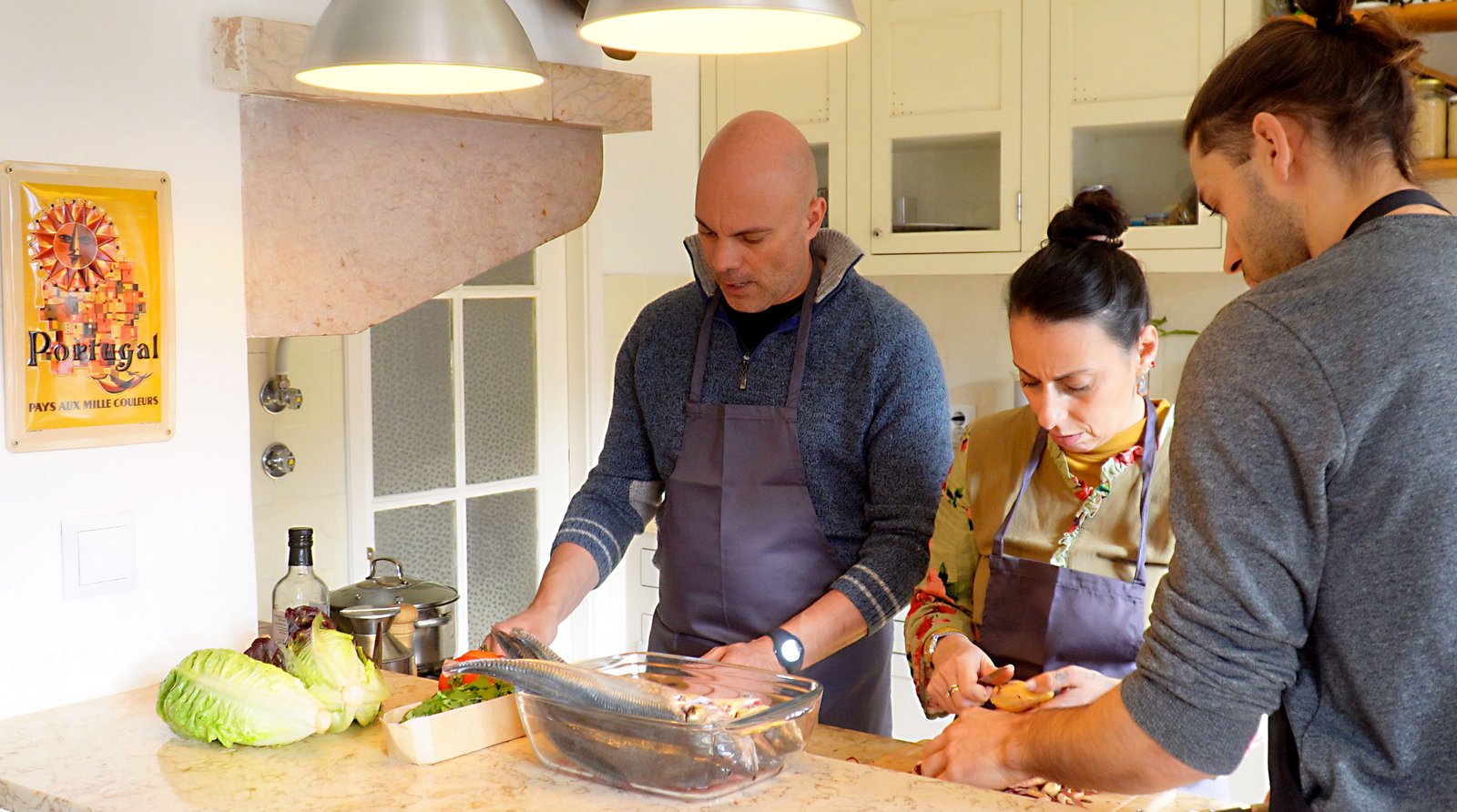
This historical cooking class avoids invented “medieval-style” recipes in favor of dishes appearing in Portuguese medieval cookbooks or contemporary traveler accounts. Prepare moelas estufadas (tavern gizzards), transmontane bacalhau with chestnuts, and royal nabada dessert while learning the cultural context of who ate which foods and why certain preparations held social significance.
What You’ll Cook in This Medieval Workshop
This medieval Portuguese cuisine workshop teaches three historically documented preparations:
Moelas Estufadas (Lisbon Tavern Gizzards): Stewed chicken gizzards prepared exactly as described in 15th-century tavern accounts. Slow-cooked with onions, garlic, bay leaves, and white wine, these were favorite snacks of sailors and Coimbra students in Lisbon taverns.
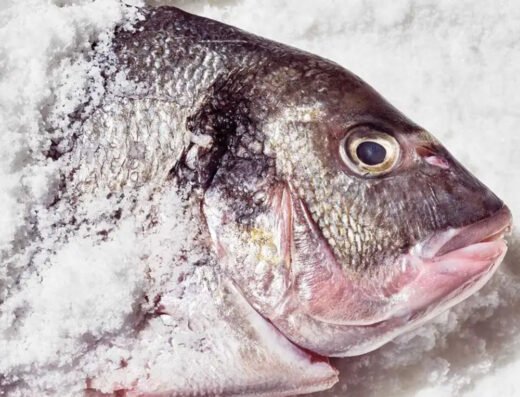
Transmontane Bacalhau with Chestnuts: Dried cod from Newfoundland cooked with crushed chestnuts, olive oil, and coriander as documented in noble houses’ cookbooks from Douro and Minho regions. This dish demonstrates how dried cod already arrived during King João I’s reign.
Nabada de Semide (Royal Turnip Sweet): Portugal’s most celebrated medieval dessert where cooked turnips are sweetened with Alentejo honey and perfumed with cinnamon and cloves. Served at tables of Kings Afonso V and João II, this prestigious dessert is still prepared at Christmas in some interior villages maintaining unbroken culinary tradition.
What’s Included in Your Historical Cooking Experience
This medieval Portuguese cooking class provides complete materials and cultural immersion:
🏰 Three documented medieval Portuguese dish preparation
🏰 All historical ingredients (dried cod, chestnuts, turnips, honey, spices)
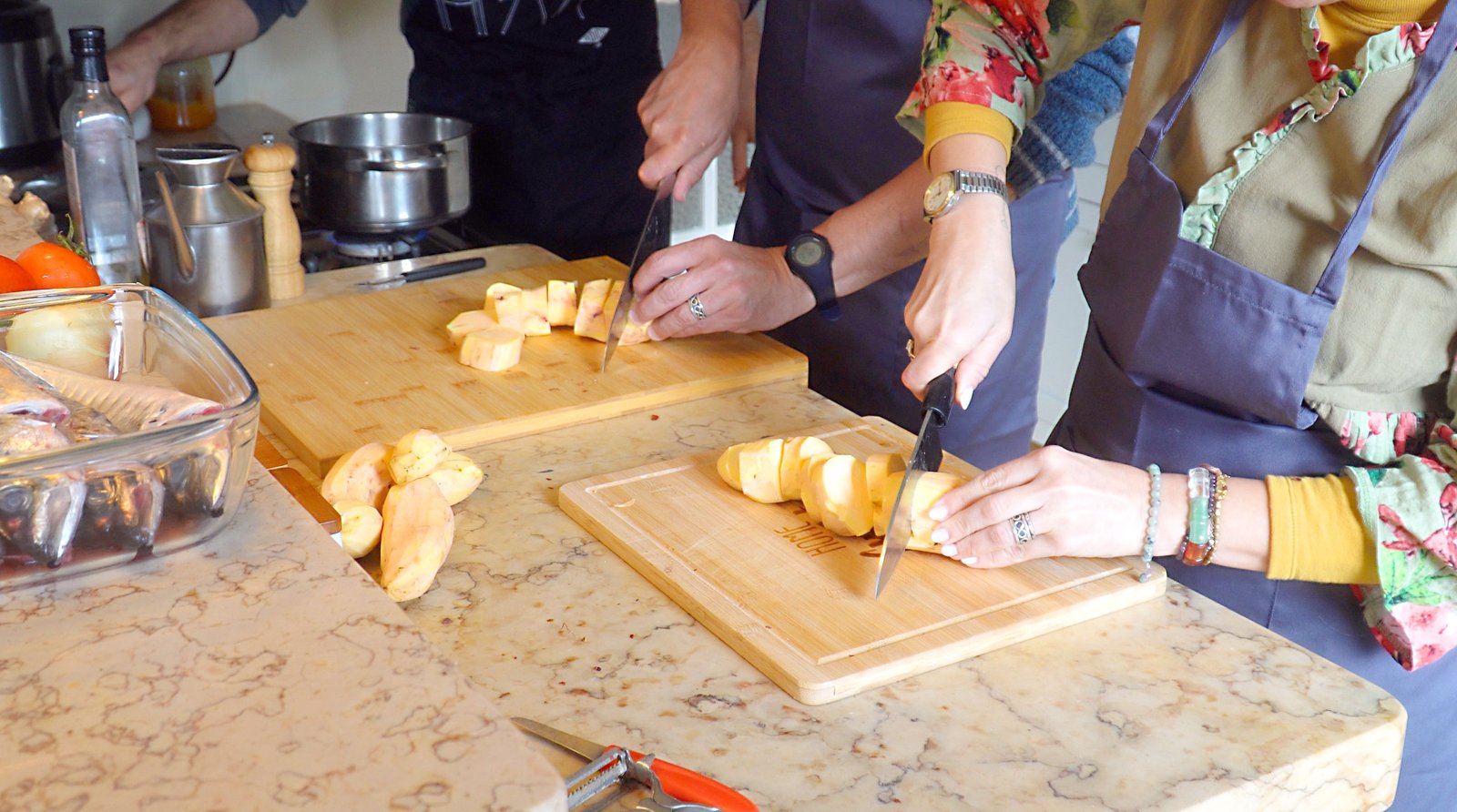
🏰 Apron, knife, and wooden cutting board provided
🏰 Complete tasting of all three dishes with period-appropriate wine
🏰 Historical education with chef about medieval Portuguese food culture
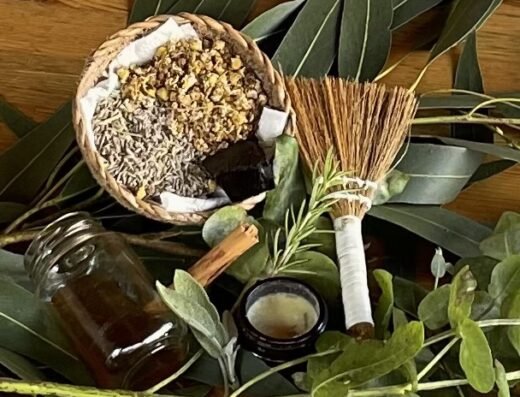
Work hands-on with historical ingredients including dried cod, Douro chestnuts, garden turnips, rosemary honey, almonds, and spices from the India route.
Historical Context and Cultural Learning
This historical cooking workshop integrates culinary instruction with fascinating historical context:
Pre-Columbian Ingredients: Cook exclusively with ingredients that existed in Portugal before 1498, when Vasco da Gama’s voyage to India preceded the arrival of tomatoes, potatoes, peppers, and corn from the Americas.
Social Dimensions: Learn who ate which foods through small history lessons with the chef. Discover why gizzards were tavern favorites, how cod arrived before Brazil’s discovery, and why turnip sweet was kings’ favorite dessert.
Medieval Trade Networks: Understand how ingredients arrived through early trade routes. Dried cod from Newfoundland’s fishing grounds and spices from Asia shaped medieval Portuguese culinary landscape.
Cultural Significance: Appreciate how chestnuts served as “bread of the poor,” why nabada graced royal banquet tables, and how food choices revealed social status in medieval society.
Perfect for History and Culinary Enthusiasts
This medieval Portuguese cuisine workshop welcomes:
- History enthusiasts wanting authentic medieval cooking education
- Culinary explorers curious about pre-Columbian European cuisine
- Those interested in Portugal’s medieval society understood through food culture
- People seeking genuinely historical dishes based on documented recipes
- Anyone wanting rare opportunity to taste period preparations with period ingredients
- Students of culinary history avoiding invented recreations
Experience Portugal from the 13th-15th centuries through its authentic documented cuisine.
Why Choose This Medieval Cooking Workshop
Authentic Historical Recipes: This cooking class uses genuinely documented medieval Portuguese recipes from cookbooks and traveler accounts, not invented “medieval-style” approximations. Experience real historical cuisine.
Period-Accurate Ingredients: Cook exclusively with ingredients available in pre-1498 Portugal. Work with dried cod, chestnuts, turnips, honey, and spices that actually shaped medieval Portuguese kitchens.
Cultural Education Integration: Learn not just cooking techniques but social and historical context. Understand medieval Portuguese society through its food, from tavern culture to royal banquets.
Multisensory Historical Immersion: Experience culinary time travel through hands-on cooking, tasting authentic dishes, and drinking period-appropriate wine while learning fascinating historical details.
Unbroken Culinary Traditions: Some dishes like nabada de semide maintain continuous preparation from medieval times to present day in certain villages, connecting you to living historical tradition.
Chef-Guided Historical Learning: Receive comprehensive context about who ate which preparations, how ingredients arrived through early trade, and why certain dishes held particular significance in medieval Portuguese culture.
Join this medieval Portuguese cuisine workshop and experience authentic historical cooking from Portugal’s 13th-15th century period. Prepare three documented dishes using period ingredients while learning the cultural and social context that reveals medieval Portuguese society through its fascinating culinary heritage!







 uk english
  pt portuguese